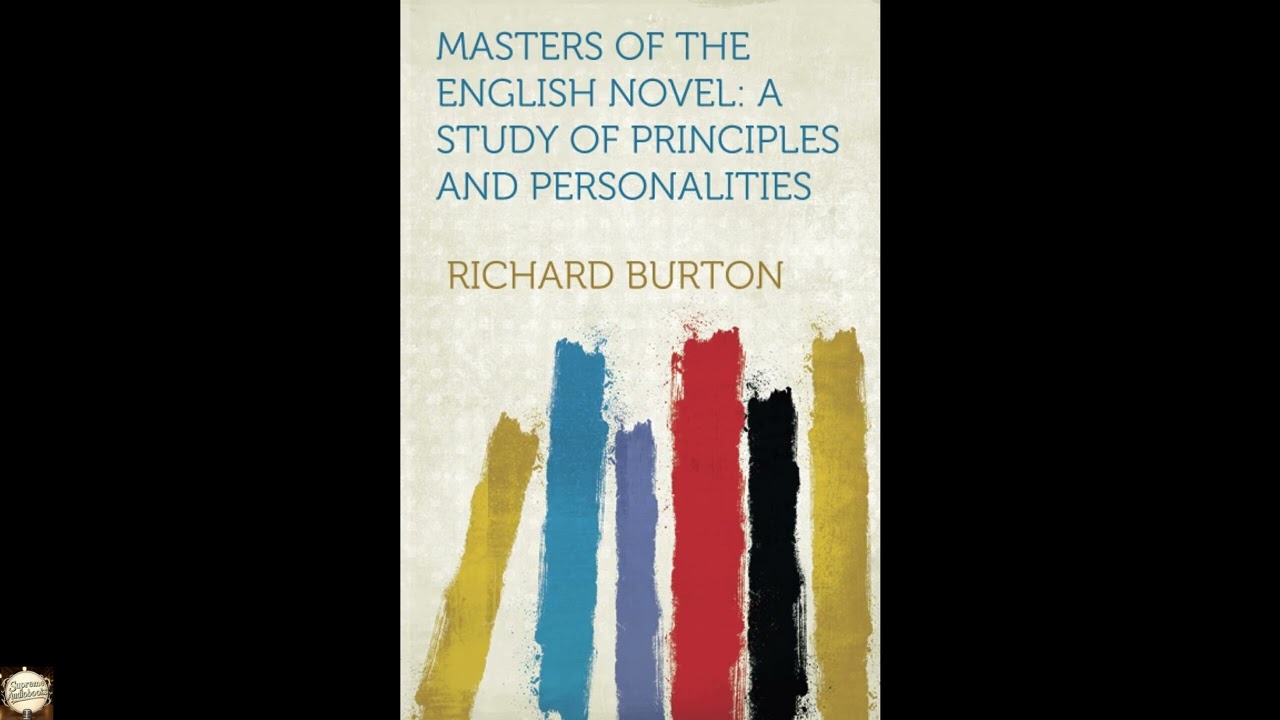
Masters of the English Novel: A Study of Principles and Personalities
Ever wondered what separates a merely good story from a genuinely great novel, one that resonates across generations and continues to shape our understanding of ourselves and our world? Masters of the English Novel: A Study of Principles and Personalities offers a unique opportunity to understand the very foundations of this enduring literary form. This substantial intellectual undertaking isn't just a survey of famous titles; it’s an illuminating dissection of the art form itself, examining the fundamental principles that govern effective storytelling while simultaneously introducing the singular voices and creative spirits who brought the English novel to its celebrated heights. For anyone who cherishes the power of narrative, who seeks to understand the mechanics behind literary genius, or simply wishes to deepen their appreciation for the books that define a culture, this study provides an invaluable guide, inviting reflection on the profound impact of fiction and the enduring relevance of its most skilled practitioners. This comprehensive study doesn’t unfold a single fictional narrative, but rather charts the grand, evolving story of the English novel through a critical lens. From its nascent forms, often rooted in earlier prose romances and moralistic tales, the study meticulously traces the genre's development. Listeners are introduced to the formative periods where the novel began to distinguish itself, identifying key figures who, with burgeoning ambition, experimented with character depth, plot complexity, and social observation. The arc of this intellectual exploration moves through the eighteenth century’s rise of realism, dissecting how authors began to mirror contemporary life with unprecedented detail, establishing vivid settings from bustling London streets to the quiet confines of country estates. It then progresses through the romantic and Victorian eras, demonstrating how authors grappled with industrial change, social stratification, and the profound psychological shifts of modern life, giving voice to protagonists who navigate a world both familiar and fraught with new challenges. The "conflict" here is the ongoing intellectual effort to define, categorize, and understand the novel's power, showcasing the diverse ways writers have tackled universal human experiences—love, loss, ambition, morality—within the framework of fiction. The work further distinguishes itself by examining the unique "personalities" behind these literary revolutions. It analyzes how individual authors—their backgrounds, their philosophical leanings, their stylistic quirks—contributed to the novel's growth and diversification. Through careful analysis, the study illustrates how differing artistic temperaments led to distinct narrative approaches, from the satirical wit of some early novelists to the earnest moralizing of others, and from the grand historical sweeps of certain Victorians to the intimate psychological portraits favored by their successors. This intellectual narrative doesn't aim for a dramatic climax or a final twist, but rather culminates in a deeper, more nuanced appreciation for the novel as both an art form and a reflection of human experience, offering a panoramic view of its evolution through the creative endeavors of its most influential figures. The authorship of this foundational text remains unknown, yet its enduring presence in the realm of literary criticism speaks to a period when scholarly endeavor often stood as its own monument, sometimes anonymously published or attributed simply to a collective of esteemed intellects. While specific biographical details are unavailable, the very existence of such a meticulous and insightful study suggests a deep immersion in the literary landscape of its time. It represents a tradition of academic inquiry that sought to systematize and celebrate the burgeoning field of English literature, particularly the novel, which by the 19th century had firmly established itself as a dominant cultural force. The unknown author, or authors, were clearly scholars of considerable erudition, possessing a vast command of literary history and a keen analytical mind for the craft of fiction. This work stands as a testament to the power of critical thought, embodying a commitment to understanding the subtle mechanics and grand impact of storytelling, rather than promoting an individual voice or personal narrative. It likely emerged from an era where the focus was squarely on the subject matter—the novels themselves—and the act of critical examination, rather than the individual identity of the critic. Several profound themes underscore the rigorous analysis presented in this study. One central idea is the very definition and evolution of the novel form. The work meticulously tracks how disparate prose narratives coalesced into what we now recognize as the novel, highlighting the crucial shift from tales focused on idealized heroes to stories grounded in the complexities of everyday life. For instance, the study might trace the gradual move from the picaresque adventures of characters like Defoe's Moll Flanders, whose struggles are depicted with a stark, unvarnished realism, to the intricately structured domestic dramas of Jane Austen, where societal customs and personal integrity drive the narrative. Another significant theme is the interplay between individual genius and cultural context. The study consistently demonstrates how the unique vision of an author—their personal philosophy, their stylistic innovations—is simultaneously shaped by and helps to shape the prevailing social and intellectual currents of their age. A third prominent theme is the novel's capacity for moral and social commentary. The study often illustrates how novelists serve as keen observers of their societies, using fiction not only to entertain but also to critique, celebrate, or lament the conditions of their times. Consider, for example, how a critic might highlight Charles Dickens's ability to expose the grim realities of industrial poverty through characters like Oliver Twist, or how George Eliot subtly dissects the psychological and ethical dilemmas faced by individuals within tightly knit communities, as seen in the misguided ambitions of Dr. Lydgate in Middlemarch. Through such examples, the study clarifies how the novel became a powerful vehicle for public discourse, reflecting and influencing collective consciousness while offering enduring insights into human nature and the societal structures that bind or liberate us. This rigorous study of English novelists emerged from, and speaks to, a critical juncture in literary history. The eighteenth and nineteenth centuries witnessed the dramatic rise of the novel from a somewhat disreputable form, often dismissed as mere entertainment for women, to a respected and powerful art form. This period coincided with a significant increase in literacy, the proliferation of circulating libraries, and advancements in printing technology, which collectively created a vast, eager readership hungry for narrative. Culturally, the novel became a mirror reflecting the rapid societal changes—the Industrial Revolution, evolving class structures, the expansion of empire, and shifting moral codes. Authors like the Brontës and Mary Shelley pushed boundaries with psychological depth and gothic romance, while figures such as William Makepeace Thackeray and Anthony Trollope painted detailed portraits of Victorian society. This burgeoning popularity and artistic development naturally led to an intellectual impulse to understand, categorize, and critique the phenomenon. The creation of works like Masters of the English Novel can be understood as a direct response to this literary boom. As the genre matured and diversified, there arose a critical need for comprehensive analyses that could articulate its principles, chart its evolution, and distinguish its luminaries. Such a study provides a framework for appreciating the technical innovations and thematic profundity of a literary form that was, in many ways, still finding its footing and defining its own rules. It stands as a testament to the intellectual ferment of an era that not only produced some of the greatest works of English fiction but also cultivated the critical apparatus necessary to truly understand and preserve their enduring significance. Listening to Masters of the English Novel as an audiobook transforms what could be a dense academic text into an engaging intellectual discourse. The "several hours" of narration provide ample opportunity to absorb complex ideas at a thoughtful pace, allowing the listener to truly settle into the rhythm of critical analysis. A skilled narrator brings clarity and nuance to the discussions, making the arguments accessible and the literary examples vivid. Imagine a knowledgeable lecturer guiding you through the labyrinthine corridors of literary history, their voice imbued with authority and a genuine passion for the subject. This is not a performance with dramatic dialogue, but rather an experience where the pacing is measured and deliberate, designed to facilitate understanding and contemplation. The atmosphere is one of focused intellectual inquiry, inviting you to reflect on the nature of storytelling and the genius of those who mastered it, enriching your appreciation for the written word and the profound impact of the English novel.
Enjoyed Masters of the English Novel: A Study of Principles and Personalities? A few ways to support us
Audible & Amazon links are affiliate; we may earn a small commission at no extra cost.
About this production
Human narration by a volunteer reader from LibriVox.org, the public-domain audiobook project. LibriVox volunteers record literary works whose copyright has expired in the United States, releasing the resulting recordings into the public domain.
Masters of the English Novel: A Study of Principles and Personalities by Richard Burton. The underlying text is in the U.S. public domain. We do not republish any modern copyrighted edition, translation, or commentary.
The 4K cinematic visuals accompanying this audiobook are generated by an AI image model from prompts derived from the source text. No copyrighted photos, paintings, or stock footage are used. AI generation is disclosed on every video on our YouTube channel as required by YouTube's altered/synthetic content policy.
English subtitles are transcribed from the LibriVox recording with OpenAI Whisper. Translations into the 11 other supported languages are produced by Meta's NLLB-200 neural translation model. No human translator's copyrighted translation is used.
Questions about sourcing or rights? See our DMCA & Sourcing policy or contact us.
View 10 famous quotes from this book →
Enjoyed this audiobook?
If you'd like to own a copy of Masters of the English Novel: A Study of Principles and Personalities or hear a professionally produced edition, the links below help support free audiobook production at no extra cost to you.
As an Amazon Associate we earn from qualifying purchases. Audible / print links are affiliate.