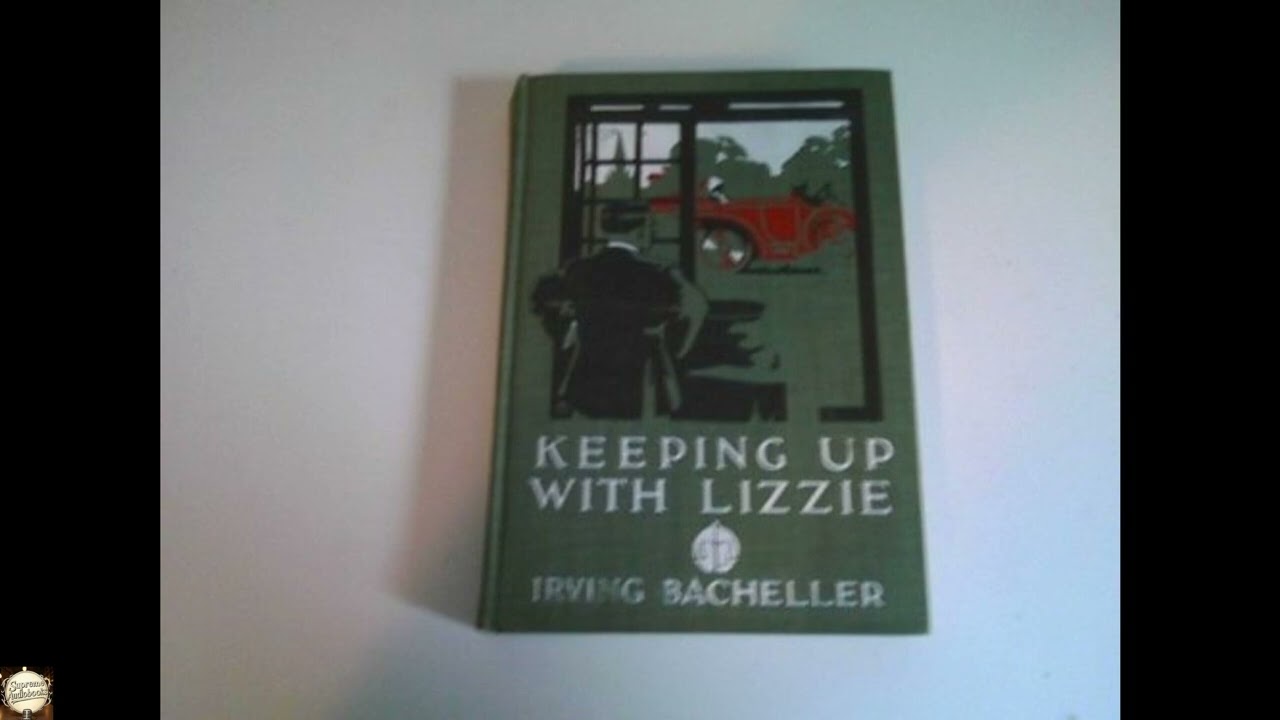
Keeping up with Lizzie
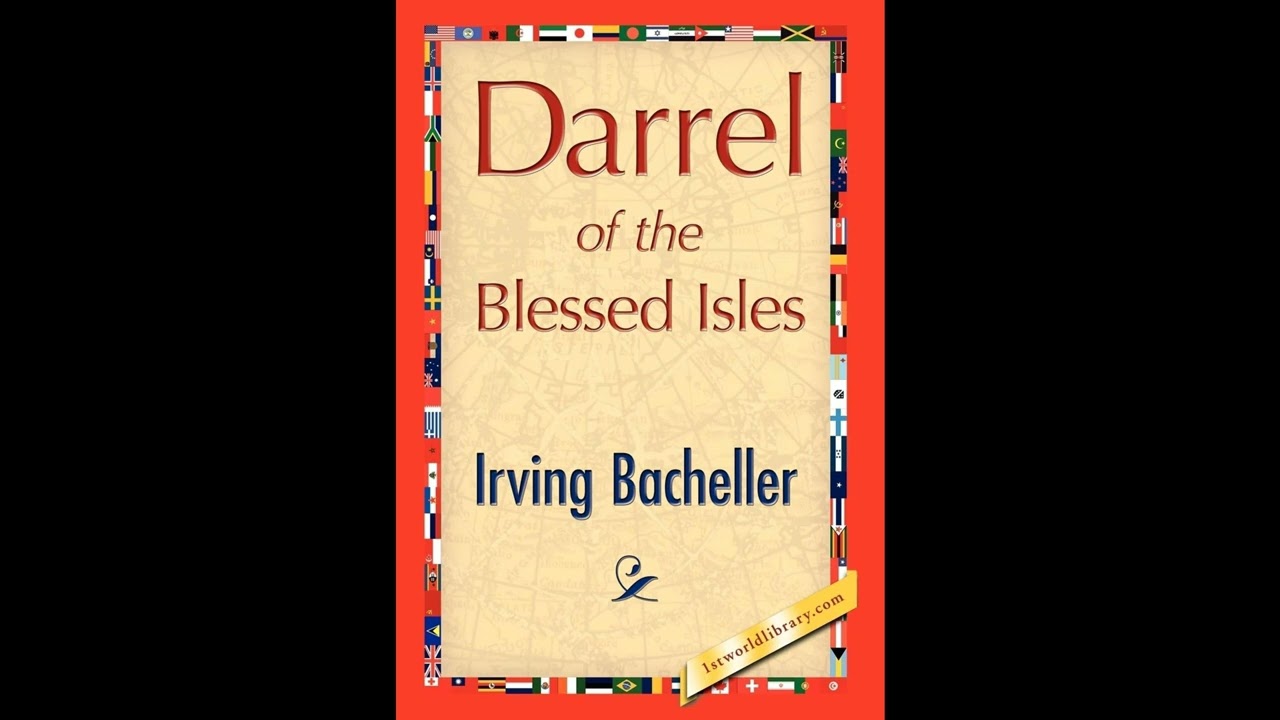
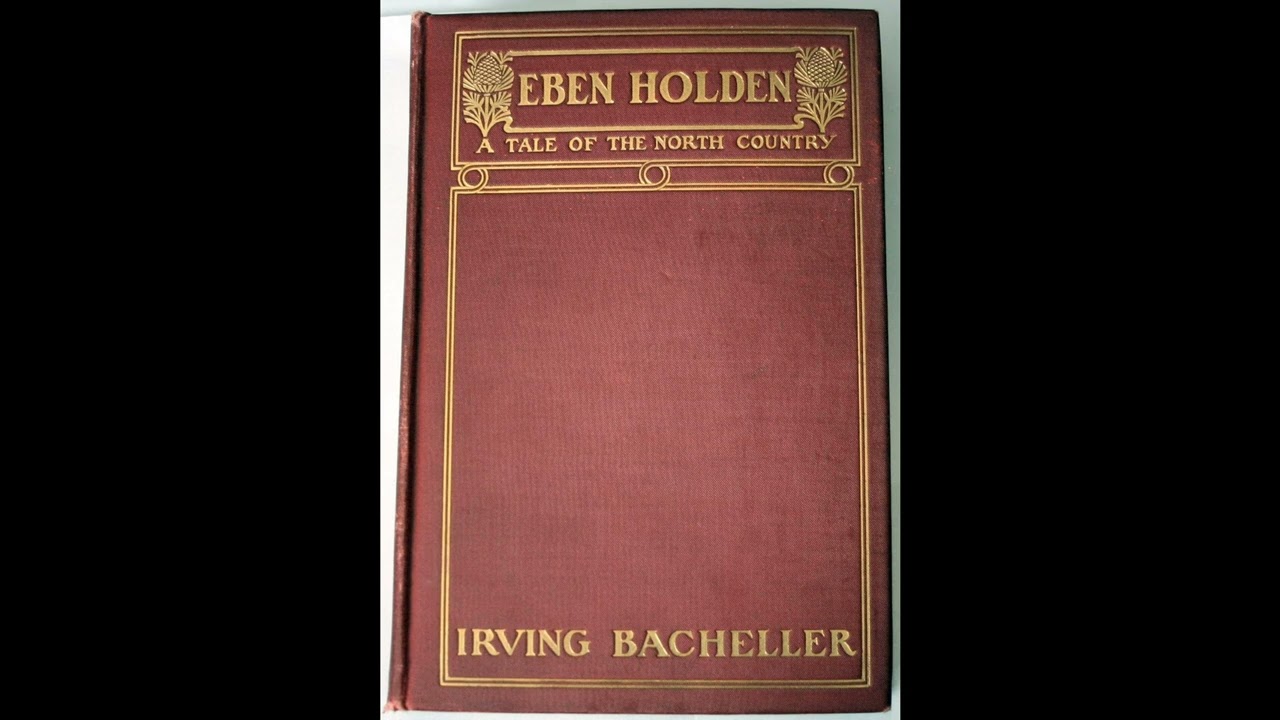
Imagine a world where the quiet rhythms of small-town life are suddenly rattled by a new kind of ambition—an ambition measured not in character or contribution, but in possessions and outward display. This is the stage set by Irving Bacheller in his astute novel, Keeping up with Lizzie, a story that, despite being written over a century ago, speaks with startling clarity to the anxieties and desires that still shape our lives today. It’s a warm, often humorous, yet pointed look at what happens when the pursuit of status eclipses genuine connection, offering a valuable lens through which to consider our own relationship with appearances, community, and the ever-present pull of consumer culture. Bacheller transports listeners to a quaint American town, a place seemingly idyllic in its established order and neighborly goodwill. The narrative unfolds through the eyes of a gentle, discerning observer, a figure reminiscent of the homespun philosophers often present in Bacheller’s work, who witnesses the subtle, then increasingly overt, shifts in local customs. The central dynamic begins with the arrival of new residents who, through their lavish spending and emphasis on external indicators of wealth, inadvertently ignite a spark of competitive imitation within the community. Lizzie, a young woman who, like many, longs for acceptance and a certain standard of living, finds herself caught in the currents of this new social tide. She represents the everyperson struggling to reconcile personal values with the alluring, often overwhelming, pressure to conform to a newly elevated definition of success. The story follows the townsfolk as they attempt to keep pace with these perceived higher standards, often at great personal and financial cost, revealing the social friction and the comical, sometimes tragic, lengths to which people will go to maintain an illusion of prosperity. Irving Bacheller, born in Pierrepont, New York, in 1859, grew up immersed in the rural landscape that would later define much of his fiction. His early career as a journalist and editor in New York City—first for The New York World Magazine and later Leslie's Weekly—provided him with a keen understanding of both bustling urban life and the simpler values he often saw as eroding. This dual perspective allowed him to craft narratives that often contrasted the perceived integrity of country life with the burgeoning materialism of the industrial age. Bacheller was part of a generation of American writers who chronicled the transformation of the nation, capturing the spirit of a bygone era while commenting on the new challenges emerging. His literary legacy extends beyond Keeping up with Lizzie to several other highly successful novels. Eben Holden, published in 1900, brought him national recognition with its portrayal of a wise, old Yankee farmhand, a character who embodied the homespun wisdom and moral fortitude Bacheller admired. He continued this theme in Darrel of the Blessed Isles (1903) and Silas Strong (1906), works that cemented his reputation as a proponent of regionalism and a chronicler of distinctly American character. Bacheller's novels often celebrated self-reliance, honesty, and a connection to the land, standing as gentle yet firm critiques of societal trends that he felt undermined these virtues. He was a popular author in his time, resonating with readers who sought stories with both entertainment and moral substance. At its core, Keeping up with Lizzie functions as a thoughtful examination of several enduring themes. Most prominently, it addresses consumerism and materialism, vividly portraying how the desire for goods and outward display can become a driving force in a community. We see this in the town’s shift from valuing utility and craftsmanship to valuing novelty and ostentation, exemplified when characters begin replacing perfectly good furniture or clothing simply because new neighbors have something shinier or more expensive. This leads directly to the theme of social class and appearance, as the act of spending becomes a desperate attempt to assert or maintain one's position within a rapidly re-stratifying social hierarchy, where one’s perceived worth is increasingly tied to visible wealth rather than intrinsic character. The struggle for authenticity versus pretense is also central, as characters often find themselves caught between living within their means and putting on a costly show for the sake of reputation, creating tension and often humorous predicaments. Finally, the story subtly highlights the contrast between rural values and urban influence, as the simple, communal spirit of the town gradually gives way to an individualistic drive for status—a drive often associated with the growing commercialism of larger cities bleeding into smaller communities. Published in 1911, Keeping up with Lizzie emerged during a period of immense social and economic change in the United States. This was the heart of the Progressive Era, a time when rapid industrialization and urbanization were creating both unprecedented wealth and significant social anxieties. The nascent consumer culture, fueled by mass production, department stores, and increasingly sophisticated advertising, was profoundly altering American desires and expectations. The concept of "keeping up with the Joneses" was very much a contemporary phenomenon, as a burgeoning middle class found new ways to display its prosperity and social aspirations. Bacheller’s novel can be seen as a direct commentary on these shifts—a gentle warning about the moral and financial costs of chasing an ever-escalating standard of living. It reflects a national conversation about what constituted true success and happiness in a rapidly modernizing society, often romanticizing the simpler, more stable values of a past that many felt was slipping away. Listening to Keeping up with Lizzie as an audiobook transforms this historical commentary into an intimate, engaging experience. The spoken word allows the listener to fully appreciate Bacheller’s nuanced humor and the warmth of his narrative voice, often imbued with a gentle, knowing wisdom. The "several hours" run time makes it ideal for daily commutes, afternoon walks, or quiet evenings, allowing for a gradual immersion into the world Bacheller creates. A skilled narrator can bring to life the distinct personalities of the townsfolk, from the shrewd observers to the eager social climbers, making the dialogue sparkle with wit and human foibles. Pay attention to the pacing, which often mirrors the slow, deliberate rhythm of small-town life, punctuated by moments of social drama and personal reflection. The performance allows the story’s atmosphere—a blend of nostalgic charm and pointed social critique—to truly settle in, making the characters’ struggles with status feel both historically resonant and surprisingly relevant to our present day.
Enjoyed Keeping up with Lizzie? A few ways to support us
Audible & Amazon links are affiliate; we may earn a small commission at no extra cost.
About this production
Human narration by a volunteer reader from LibriVox.org, the public-domain audiobook project. LibriVox volunteers record literary works whose copyright has expired in the United States, releasing the resulting recordings into the public domain.
Keeping up with Lizzie by Irving Bacheller. The underlying text is in the U.S. public domain. We do not republish any modern copyrighted edition, translation, or commentary.
The 4K cinematic visuals accompanying this audiobook are generated by an AI image model from prompts derived from the source text. No copyrighted photos, paintings, or stock footage are used. AI generation is disclosed on every video on our YouTube channel as required by YouTube's altered/synthetic content policy.
English subtitles are transcribed from the LibriVox recording with OpenAI Whisper. Translations into the 11 other supported languages are produced by Meta's NLLB-200 neural translation model. No human translator's copyrighted translation is used.
Questions about sourcing or rights? See our DMCA & Sourcing policy or contact us.
Enjoyed this audiobook?
If you'd like to own a copy of Keeping up with Lizzie or hear a professionally produced edition, the links below help support free audiobook production at no extra cost to you.
As an Amazon Associate we earn from qualifying purchases. Audible / print links are affiliate.