Indian Child Life
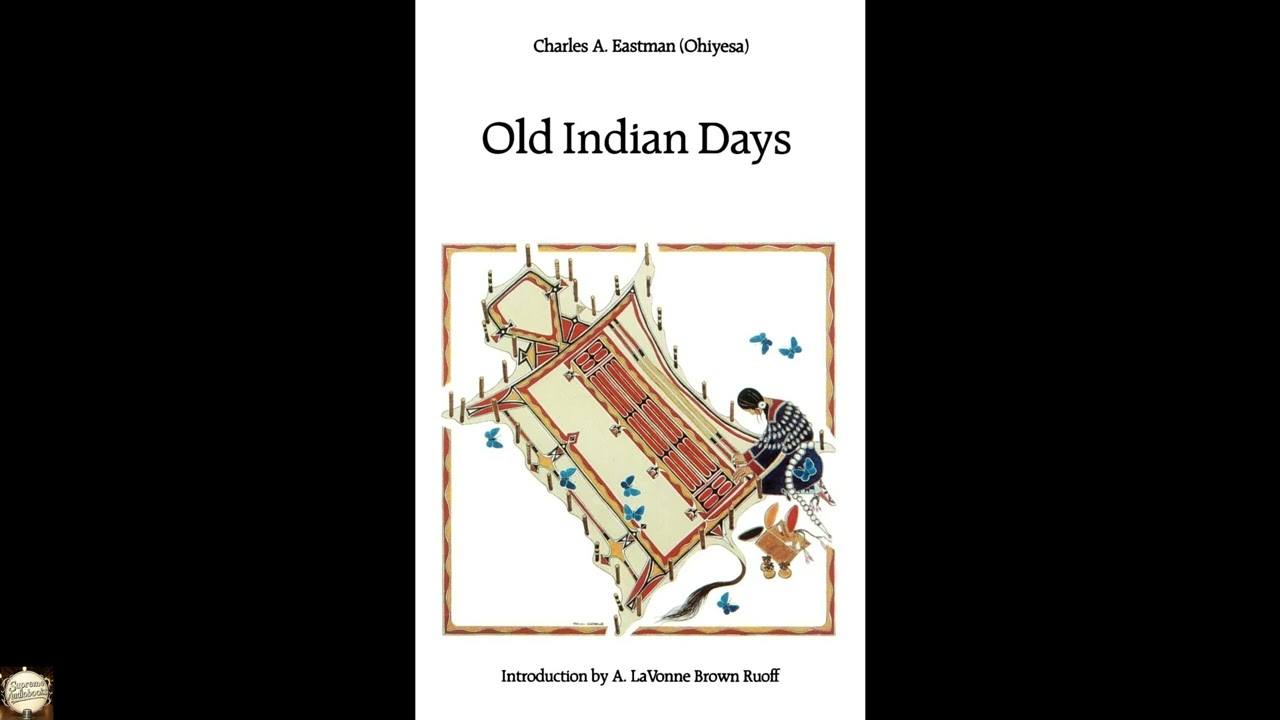
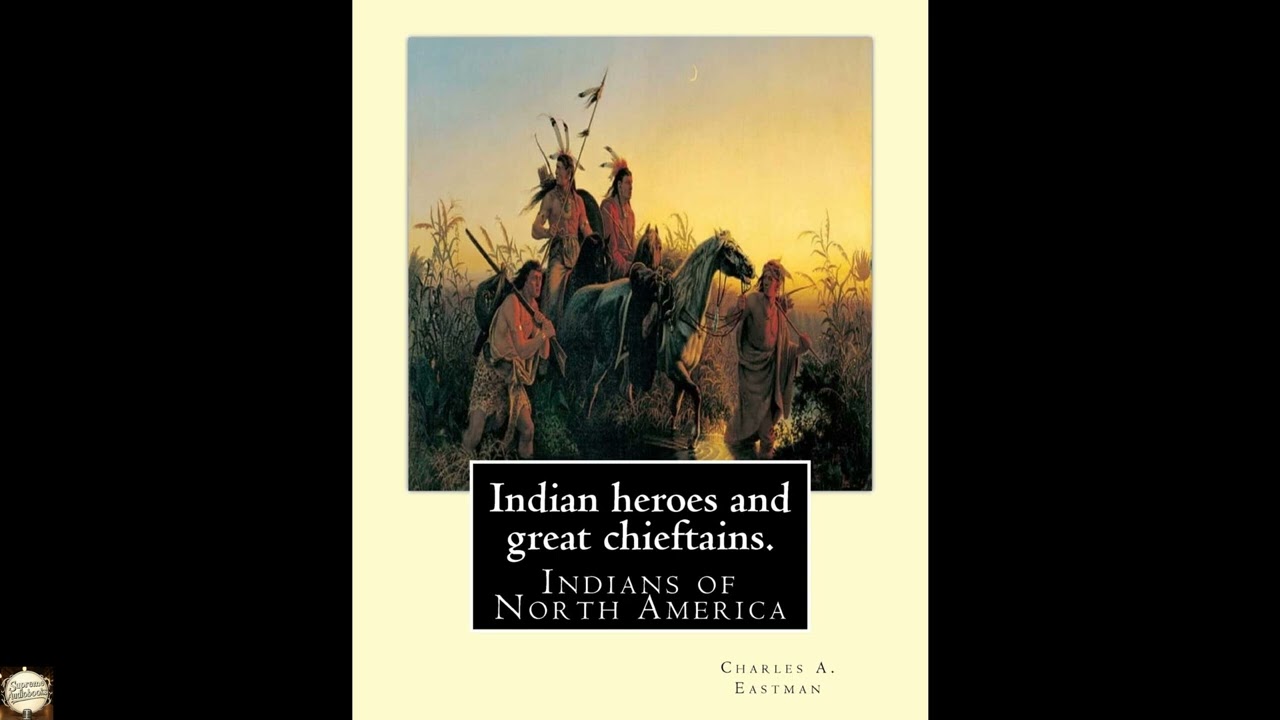
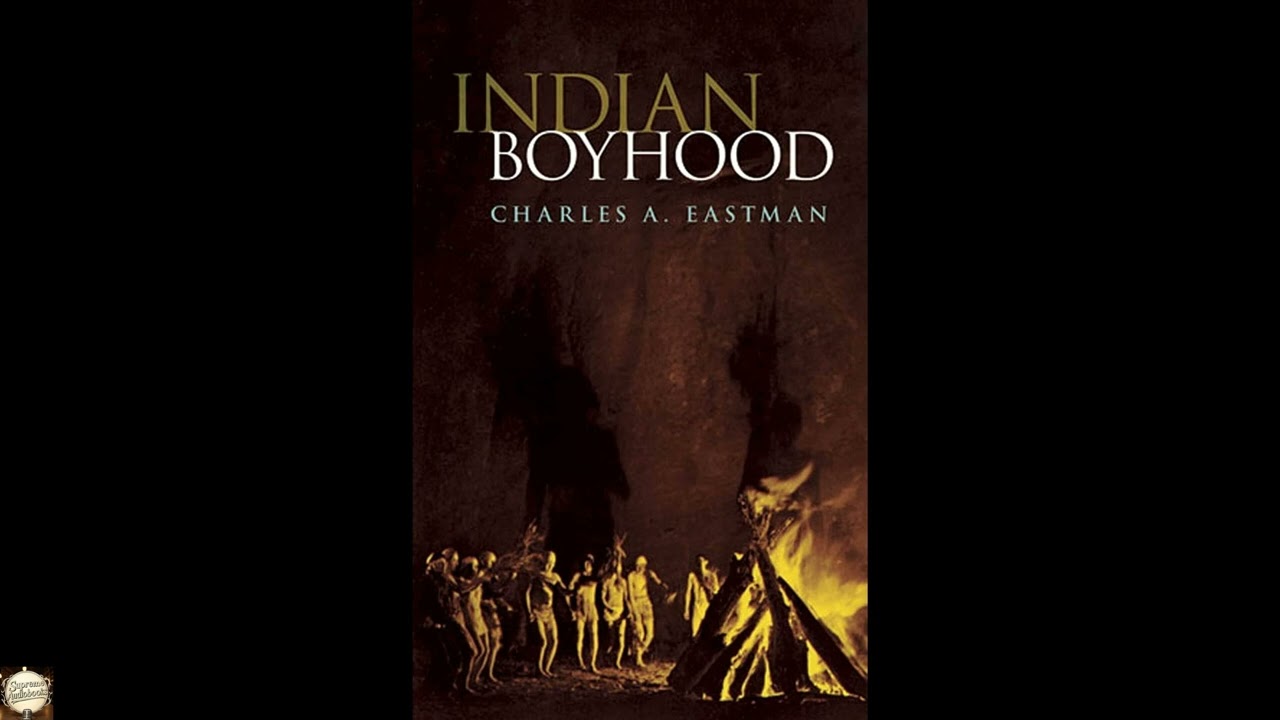
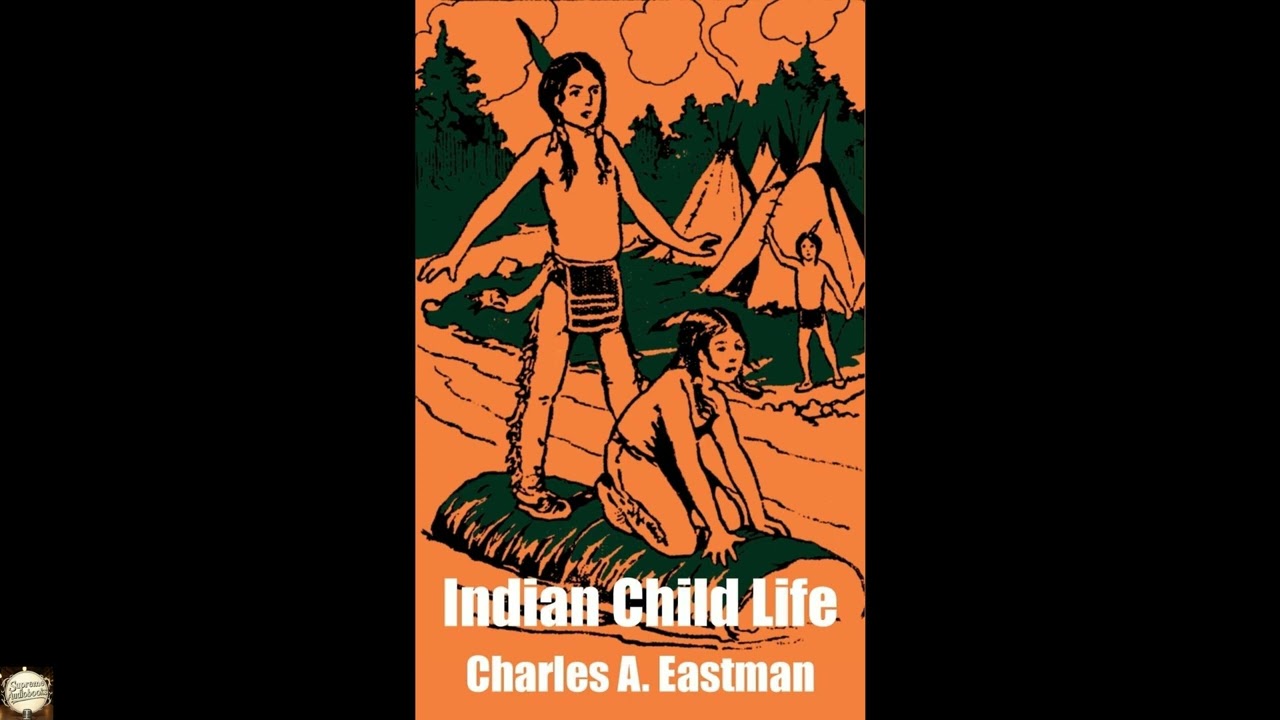
Step into a world rarely seen through such an intimate lens: the traditional childhood of a Dakota Sioux boy on the plains of North America, just as an ancient way of life began to yield to the relentless march of a new nation. Charles A. Eastman’s Indian Child Life is more than a memoir; it is a foundational document, a testament to a culture’s wisdom and resilience, presented by one of its most articulate voices. This is an invitation to understand identity, community, and the human spirit not through the filtering gaze of outsiders, but through the lived experience of Ohiyesa, a child who would grow to bridge two vastly different worlds. In an era where understanding diverse perspectives and challenging historical narratives holds immense value, Eastman’s personal history resonates with profound importance, offering listeners a chance to connect with a history too often silenced or misinterpreted. The story unfolds on the sweeping Great Plains of the late nineteenth century, a setting defined by buffalo hunts, the seasonal movements of the people, and the profound beauty of an untamed landscape. We meet Ohiyesa, Eastman’s given name, as a young boy, raised in the traditional ways of his Santee Dakota people. His earliest memories are steeped in the communal life of his camp, surrounded by family—his loving grandmother, his wise uncle, and a host of relatives who collectively nurture his growth. The narrative follows his everyday existence, from the simplest games he plays with other children to the more serious instruction he receives in skills essential for survival and a respectful life: learning to track animals, to paddle a canoe, to identify plants, and to observe the rhythms of nature with keen attention. Ohiyesa’s arc is not one of dramatic, external conflict but a deep, internal unfolding within the fabric of his culture. His primary challenge lies in mastering the lessons of his elders and the demands of the natural world. He learns courage, patience, and honor through the examples of his community and the stories passed down through generations. From hunting rabbits with a bow and arrow to enduring the stoicism expected of a young warrior, his boyhood is a patient apprenticeship in what it means to be a Dakota man. The book details his spiritual education, the understanding of the Great Mystery that pervades all living things, and the deep respect for all creation. Though the shadow of encroaching settler society looms large over the broader historical context, the narrative itself remains focused on the purity and integrity of Ohiyesa’s boyhood world, showing a life lived in harmony with the land and its spiritual essence. The author, Charles A. Eastman, known by his Dakota name Ohiyesa, led an extraordinary life that uniquely positioned him to pen this work. Born in Redwood Falls, Minnesota, around 1858, his early years mirrored the experiences he recounts in Indian Child Life. After the Dakota War of 1862, he was separated from his father and raised by his grandmother and uncle, steeped in traditional Santee culture. At age fifteen, a pivotal reunion with his father—who had converted to Christianity and adopted Western customs—changed Ohiyesa’s course forever. Encouraged to pursue formal education, he attended various mission schools before earning degrees from Dartmouth College in 1887 and Boston University School of Medicine in 1890, becoming one of the first Native American physicians trained in Western medicine. Eastman's career began as a physician for the Bureau of Indian Affairs at the Pine Ridge Agency in South Dakota, where he tragically bore witness to the aftermath of the Wounded Knee Massacre in 1890. This devastating event deepened his resolve to serve his people and bridge cultural divides. He spent the remainder of his life as a reformer, lecturer, and prolific author. Beyond Indian Child Life (which often overlaps with his seminal Indian Boyhood published in 1902), his other significant contributions include From the Deep Woods to Civilization, The Soul of the Indian, and Old Indian Days. Eastman’s place in American literature is profound; he was a pioneer in giving voice to Native American experiences in English, directly challenging prevailing stereotypes and offering nuanced, humanizing portrayals of Indigenous life and thought to a broad American audience. He stands as a crucial figure in the early twentieth-century literary canon, advocating for understanding and respect for his heritage. One of the central themes that runs through Indian Child Life is the profound importance of traditional education and upbringing. Eastman meticulously illustrates how knowledge and values were transmitted not through formal schooling, but through observation, storytelling, play, and practical experience within the community. For instance, young Ohiyesa learns about the natural world directly from his surroundings, identifying different animal tracks in the snow or understanding the medicinal properties of plants by watching and participating. His uncle's quiet guidance during hunting expeditions, teaching patience and respect for the prey, exemplifies this hands-on, deeply ethical instruction, shaping the boy's character and competence simultaneously. A second compelling theme is the deep spiritual connection to nature and a worldview that emphasizes harmony with the environment. Eastman describes how the Dakota people viewed themselves as part of a larger ecosystem, not its masters. Scenes of communal living, where every part of a hunted animal is used, or the reverence shown for natural phenomena like the sun and the stars, underscore this profound respect. The narrative frequently references the "Great Mystery," a spiritual force inherent in all life, demonstrating how daily existence was intertwined with a sacred understanding of the world. This approach contrasts sharply with the often exploitative relationship to nature prevalent in developing industrial societies, offering a powerful counterpoint. Indian Child Life emerged at a crucial moment in American history, shaped by immense cultural and political shifts. The late nineteenth and early twentieth centuries saw the culmination of "Indian Wars" and the implementation of aggressive assimilation policies by the United States government, including the forced relocation onto reservations and the establishment of boarding schools designed to eradicate Indigenous languages and customs. During this period, popular literature often depicted Native Americans through biased, often dehumanizing stereotypes. Eastman’s work stands as a direct response to this prevailing narrative. Writing from a position of unique bicultural insight, he sought to correct misconceptions and present an authentic, dignified portrayal of Native life, traditions, and spiritual beliefs to a non-Native audience, offering a vital counter-voice during a time of intense cultural suppression. Listening to Indian Child Life as an audiobook offers a distinct and enriching experience. The narrative, spanning several hours, unfolds with a deliberate and measured pace, allowing listeners to fully immerse themselves in Ohiyesa’s world. A skilled narrator can bring forth the quiet dignity and reflective tone of Eastman’s prose, highlighting the subtle wisdom in his observations and the gentle humor of childhood. Pay close attention to the descriptions of nature—the sounds, the seasons, the interactions between living creatures—which come alive through vocal performance, enhancing the atmosphere of the plains. The intimate nature of the storytelling, almost like a grandfather recounting his youth, makes the spoken word a particularly apt medium for connecting with this unique and personal account of a way of life that, while rooted in the past, carries profound lessons for the present.
Enjoyed Indian Child Life? A few ways to support us
Audible & Amazon links are affiliate; we may earn a small commission at no extra cost.
About this production
Human narration by a volunteer reader from LibriVox.org, the public-domain audiobook project. LibriVox volunteers record literary works whose copyright has expired in the United States, releasing the resulting recordings into the public domain.
Indian Child Life by Charles A. Eastman. The underlying text is in the U.S. public domain. We do not republish any modern copyrighted edition, translation, or commentary.
The 4K cinematic visuals accompanying this audiobook are generated by an AI image model from prompts derived from the source text. No copyrighted photos, paintings, or stock footage are used. AI generation is disclosed on every video on our YouTube channel as required by YouTube's altered/synthetic content policy.
English subtitles are transcribed from the LibriVox recording with OpenAI Whisper. Translations into the 11 other supported languages are produced by Meta's NLLB-200 neural translation model. No human translator's copyrighted translation is used.
Questions about sourcing or rights? See our DMCA & Sourcing policy or contact us.
Enjoyed this audiobook?
If you'd like to own a copy of Indian Child Life or hear a professionally produced edition, the links below help support free audiobook production at no extra cost to you.
As an Amazon Associate we earn from qualifying purchases. Audible / print links are affiliate.