How to Live a Holy Life
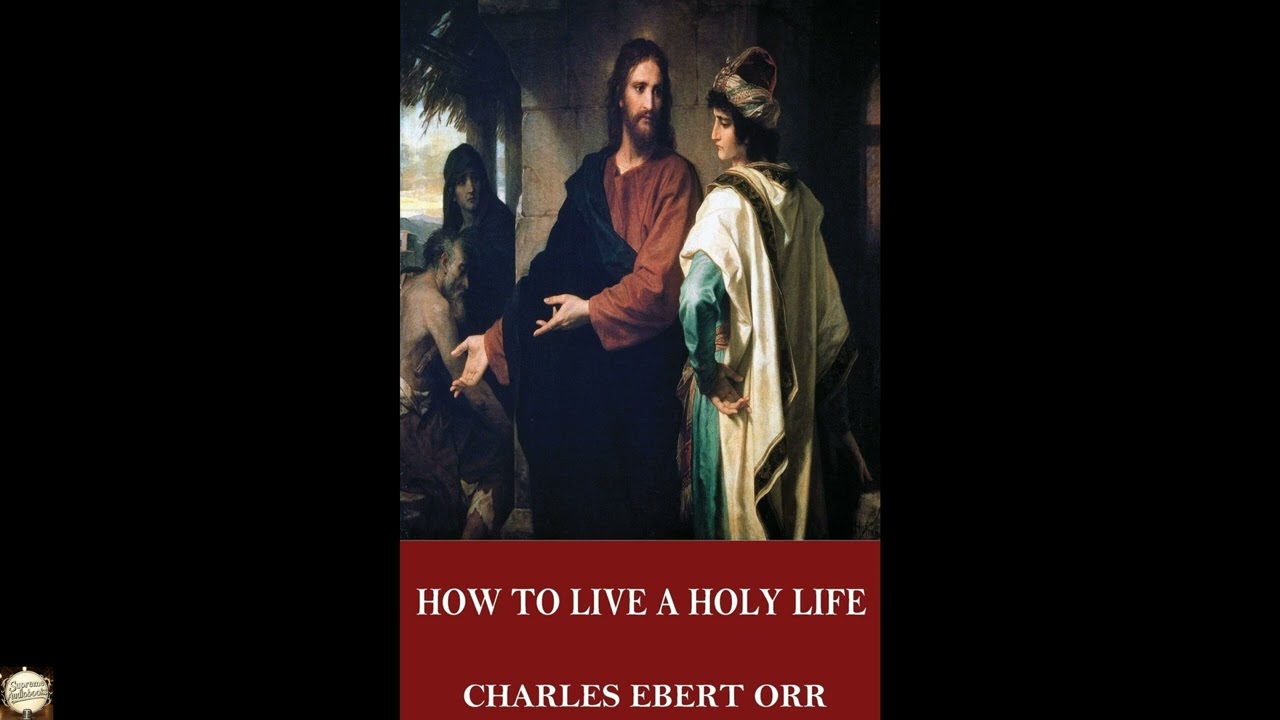
The human heart, through every epoch and across all cultures, grapples with questions of purpose, virtue, and the pursuit of a life well-lived. What does it mean to be truly good, to act with integrity, and to cultivate an inner world aligned with higher ideals? For generations, individuals have sought guides and mentors to illuminate this path. Charles Ebert Orr’s profound and practical guide, “How to Live a Holy Life,” stands as one such enduring beacon. This isn’t a speculative treatise but a direct, compassionate instruction manual for spiritual transformation, offering an accessible framework for anyone desiring a more consecrated existence. Its principles, rooted in a specific spiritual tradition, nevertheless speak to universal human yearnings for purity, peace, and meaningful ethical conduct, making its counsel as relevant today as it was when first penned. This influential text functions not as a narrative story with traditional characters or a dramatic unfolding of events, but rather as a carefully constructed progression of spiritual principles and their practical applications. Orr addresses the reader directly, presenting the fundamental arguments for seeking a state of complete holiness – a life purified from sin and dedicated fully to divine will. He systematically dissects the concept of "holiness" itself, clarifying what it entails beyond mere moral rectitude, proposing it as a profound inner change accessible through faith and deliberate effort. The early chapters lay the groundwork, challenging preconceptions and establishing a clear vision of the transformed life. As the text progresses, Orr guides the seeker through the practical steps and disciplines required to attain and maintain this elevated spiritual state. He identifies common obstacles—doubt, temptation, pride, worldly attachments—and offers strategies for overcoming them. The "arc" of this instructional work moves from initial spiritual conviction and the desire for change, through the process of consecration and dedication, to the daily perseverance needed to sustain a life of spiritual integrity. He emphasizes the importance of constant self-examination, fervent prayer, and genuine acts of charity, presenting these as not just duties but essential components of a deeply fulfilling spiritual orientation. Orr’s focus remains intensely practical, connecting theological concepts directly to the actions and attitudes of everyday living, preparing the reader to confront personal weaknesses and cultivate virtues that lead to profound inner peace and outward consistency. Charles Ebert Orr, born in Ohio in 1861, grew to become one of the most significant voices within the American Holiness Movement. His life, spanning from the tumultuous years after the Civil War through the Great Depression, was dedicated to ministry, writing, and the promotion of Christian sanctification. Orr was a prominent leader in the Church of God (Anderson, Indiana), a denomination that emerged from the broader Holiness Revival of the late 19th century. He was not only a powerful preacher but also a prolific writer and editor, contributing regularly to the Gospel Trumpet publications, which were instrumental in disseminating the messages of the Holiness Movement across the nation and beyond. Orr’s theological convictions were deeply rooted in Wesleyan-Arminian thought, emphasizing the possibility of "entire sanctification" – a second work of grace subsequent to conversion, purifying believers from inherited sin and empowering them for holy living. His literary output reflected this focus, with "The Hidden Life" and "The Life and Labors of Charles E. Orr" being other well-known titles that resonated with a wide readership. Orr's writing style was direct, persuasive, and compassionate, designed to instruct and inspire without resorting to overly complex theological language. He sought to make profound spiritual truths accessible to ordinary people, helping them understand and pursue a life of practical holiness in their daily circumstances. His contributions helped shape the spiritual landscape of a movement that stressed personal piety, ethical conduct, and a radical commitment to Christian ideals. “How to Live a Holy Life” is primarily concerned with the theological and practical meaning of holiness and entire sanctification. Orr does not present holiness as an unattainable ideal, but as a grace made available through faith and diligent effort. He illustrates this with examples of how daily decisions, from managing one’s thoughts to interacting with neighbors, contribute to or detract from a sanctified life. He outlines the process of "getting holy" and "staying holy," suggesting that it involves consecration, faith, and continuous vigilance. Another central theme is practical piety, demonstrating how spiritual principles must translate into tangible actions. For instance, he discusses how a truly holy person responds to criticism, how they manage their finances, and how they approach their work, showing that holiness is not confined to the church pew but extends into every sphere of existence. The text further foregrounds the themes of self-examination and personal discipline. Orr consistently calls upon the reader to look inward, to confront shortcomings, and to actively subdue desires that run contrary to divine will. He does not shy away from the rigor required, emphasizing consistent prayer, Bible study, and an unwavering commitment to moral rectitude as essential tools. This focus on individual responsibility is balanced by the theme of divine grace and enablement. Orr clarifies that while human effort is required, the ultimate power for transformation comes from a benevolent higher power, reminding readers that they are not alone in their struggle but are supported by spiritual forces beyond themselves. The emergence of "How to Live a Holy Life" is best understood within the vibrant religious landscape of late 19th and early 20th century America. This period witnessed a widespread religious revival, often termed the Holiness Movement, which sought to rejuvenate evangelical Protestantism by emphasizing a deeper spiritual experience and a greater personal commitment to Christ. Reacting against what many perceived as the increasing formalism and worldliness within mainstream denominations, figures like Charles E. Orr championed a return to what they saw as the purity and power of early Christianity. The movement prioritized personal conversion, a second work of grace leading to entire sanctification, and a life of outward separation from worldly amusements and practices. Culturally, America was undergoing rapid industrialization and urbanization, leading to significant social changes and anxieties. For many, the Holiness Movement offered a moral anchor and a clear set of guidelines for living virtuously amidst a transforming society. In the literary world, this era saw an explosion of devotional literature, tracts, and periodicals published by new independent Christian presses. Orr's works, disseminated through networks like the Gospel Trumpet, were part of this massive output, providing spiritual instruction, encouragement, and community identity for a growing segment of the Protestant population who craved a more experiential and ethically demanding faith. This context underscores why a book offering clear guidance on achieving a "holy life" resonated so deeply and became a foundational text for many. Listening to "How to Live a Holy Life" as an audiobook offers a unique and intimate way to engage with Orr’s earnest instructions. The nature of the text, functioning as a spiritual mentor or guide, lends itself exceptionally well to the spoken word. The listener can absorb Orr's teachings in a reflective, unhurried manner, whether during a quiet morning routine, a commute, or while engaged in domestic tasks. The narrator's voice becomes a conduit for Orr's compassionate yet direct counsel, conveying the solemnity and the encouraging spirit of the original text. The "several hours" run length is perfectly suited for extended periods of focused introspection or can be segmented into shorter, digestible chapters, allowing the listener to ponder and internalize each principle before moving on. Pay close attention to the pacing, which should allow ample time for reflection on the often profound spiritual concepts, creating an atmosphere conducive to personal growth and spiritual renewal. The spoken rendition invites a more contemplative reception, enabling the message to sink deeply into the heart and mind, much like listening to a sermon delivered specifically for you.
Enjoyed How to Live a Holy Life? A few ways to support us
Audible & Amazon links are affiliate; we may earn a small commission at no extra cost.
About this production
Human narration by a volunteer reader from LibriVox.org, the public-domain audiobook project. LibriVox volunteers record literary works whose copyright has expired in the United States, releasing the resulting recordings into the public domain.
How to Live a Holy Life by Charles Ebert Orr. The underlying text is in the U.S. public domain. We do not republish any modern copyrighted edition, translation, or commentary.
The 4K cinematic visuals accompanying this audiobook are generated by an AI image model from prompts derived from the source text. No copyrighted photos, paintings, or stock footage are used. AI generation is disclosed on every video on our YouTube channel as required by YouTube's altered/synthetic content policy.
English subtitles are transcribed from the LibriVox recording with OpenAI Whisper. Translations into the 11 other supported languages are produced by Meta's NLLB-200 neural translation model. No human translator's copyrighted translation is used.
Questions about sourcing or rights? See our DMCA & Sourcing policy or contact us.
Enjoyed this audiobook?
If you'd like to own a copy of How to Live a Holy Life or hear a professionally produced edition, the links below help support free audiobook production at no extra cost to you.
As an Amazon Associate we earn from qualifying purchases. Audible / print links are affiliate.