Higgins - A Man's Christian
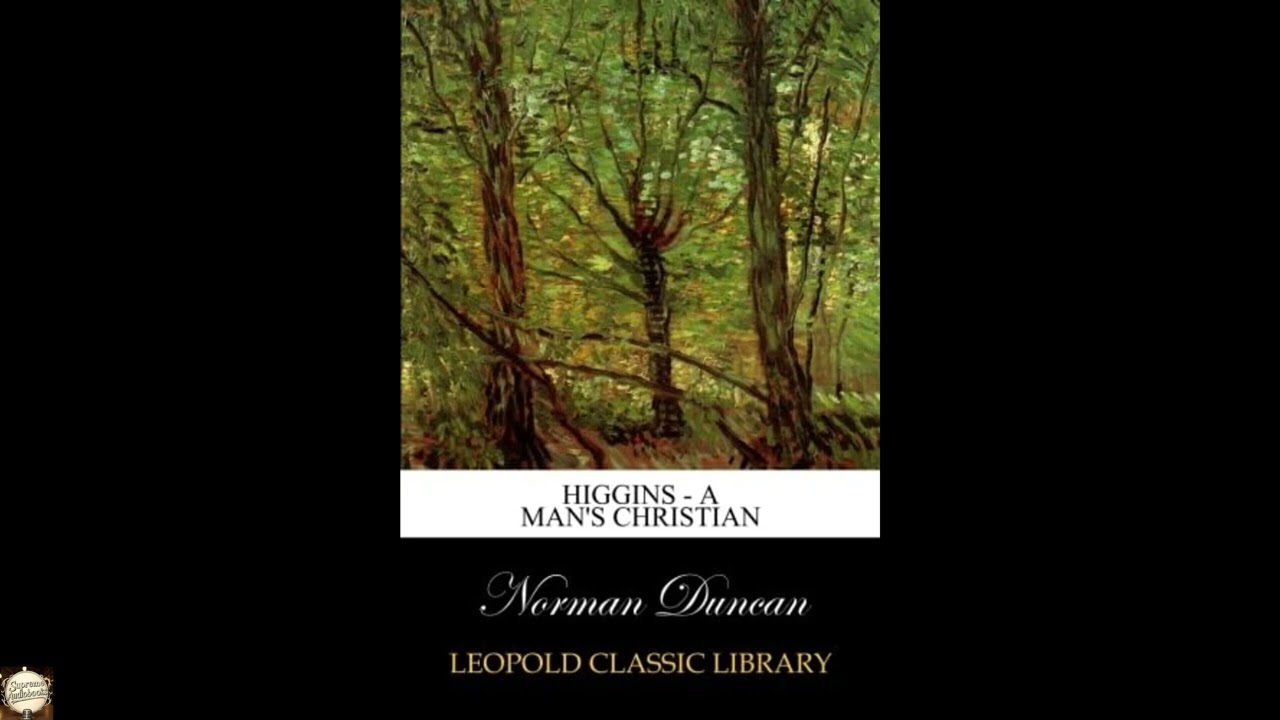
"Higgins - A Man's Christian" introduces listeners to a vision of faith lived not in quiet contemplation but in the raw, often unforgiving crucible of daily existence. Norman Duncan's novel, first appearing in the early twentieth century, challenges preconceived notions of what it means to be a person of conviction, especially a man navigating a world that demands both grit and grace. It asks profound questions that resonate as much today as they did over a hundred years ago: How does genuine faith manifest when confronted with harsh realities? What is the true measure of a person's character when tested by both external struggles and internal doubts? This story offers not simplistic answers but a thoughtful, rugged portrayal of spiritual integrity, urging us to consider where our own beliefs stand when put to the test. The narrative transports us to a remote, windswept corner of the world, a maritime setting Norman Duncan knew intimately from his travels. Here, life is a constant negotiation with the sea and the land. At the center is Higgins, a figure embodying the strength and stoicism demanded by his environment. He is not a man of refined manners or theological discourse; his Christianity is forged in the practicalities of survival, labor, and community. He is a person whose devotion expresses itself through his physical presence and his deep-seated sense of duty to his fellow islanders. Higgins faces the challenge of translating abstract faith into tangible, often difficult, choices. He grapples with the expectations of his peers, their skepticism, and the human weaknesses that complicate even earnest intentions. The story follows him as he confronts dilemmas testing his commitment to compassion, honesty, and self-sacrifice in a world where such virtues are deemed impractical. Through a series of encounters—from aiding a neighbor in distress to standing firm against injustice—Higgins demonstrates a steadfastness that sets him apart. His path is about the persistent, everyday act of living out convictions in the face of adversity, revealing the quiet power of a principled life. Norman Duncan (1871-1916) was a Canadian author known for his potent, regional fiction. Born in Norwich, Ontario, Duncan's extensive travels profoundly shaped his literary output. He was particularly drawn to the maritime provinces, often accompanying Dr. Wilfred Grenfell, the famous medical missionary, on expeditions to Newfoundland and Labrador, gaining firsthand insight into the lives of fishermen and trappers. His experiences in these remote, rugged locales lent an authenticity and depth to his writing that few could match. His notable works, such as The Way of the Sea (1903) and Dr. Luke of the Labrador (1904), showcase his ability to blend adventure with a moral dimension. Duncan articulated spiritual truths through realistic portrayals of human experience, whether in the North Atlantic or, in some instances, settings inspired by his Middle East travels. He holds a significant place among early twentieth-century authors who brought specific locales to vivid life, capturing their unique customs, dialects, and the resilient spirit of their inhabitants. "Higgins - A Man's Christian" addresses the concept of "muscular Christianity," a movement advocating for a robust, active Christian faith. Higgins embodies this ideal; his piety is practical and vigorous, demonstrated through his labor, resilience, and willingness to stand up for what is right. For instance, when disputes arise over shared resources or a community member faces hardship, Higgins acts with decisive, compassionate strength, using his capabilities and moral fortitude to resolve conflicts or offer aid. The story also contrasts authentic faith with outward piety. Higgins is defined by deeds—feeding the hungry, comforting the sorrowful, speaking truth to power—even when these actions are difficult or unpopular. This emphasis on practical, lived ethics underscores that true belief manifests through consistent action. The novel also suggests themes of community responsibility and quiet heroism, showing how one steadfast individual can profoundly influence a settlement's moral fabric. This novel emerged during the early twentieth century, an era of rapid industrialization and shifting societal values. Anxieties about traditional morality often led to movements like "muscular Christianity," advocating for a faith embracing physical strength, courage, and social engagement. Duncan's Higgins offers a literary model for a robust, compassionate Christian man in a challenging environment, reflecting these cultural conversations. He presents a figure who can navigate both the demands of nature and the complexities of human society with unwavering principle. Literarily, the period saw growing interest in regionalism and realism. Authors captured the distinct textures of life outside urban centers, telling stories of ordinary people in specific, often remote, locales. Norman Duncan, with his deep knowledge of the North Atlantic coast, was perfectly positioned to contribute to this trend. His works, including "Higgins," served as cultural documents, preserving aspects of life in overlooked communities and offering a moral compass in an age of change. Listening to "Higgins - A Man's Christian" as an audiobook offers a direct experience of Duncan's narrative. The spoken word brings the stark beauty of the maritime setting and the stoic dignity of its inhabitants to life. A skilled narrator can convey the nuances in Higgins's voice and the regional dialect, revealing the quiet determination underpinning his actions. The several hours of listening time allow for sustained engagement, ideal for commutes or quiet reflection. The audio format lets you appreciate the dialogue and feel the weight of Higgins's moral struggles. Narration underscores the arduous pace of life on the coast, while vocal shifts highlight moments of spiritual reflection, drawing you into this principled story.
Enjoyed Higgins - A Man's Christian? A few ways to support us
Audible & Amazon links are affiliate; we may earn a small commission at no extra cost.
About this production
Human narration by a volunteer reader from LibriVox.org, the public-domain audiobook project. LibriVox volunteers record literary works whose copyright has expired in the United States, releasing the resulting recordings into the public domain.
Higgins - A Man's Christian by Norman Duncan. The underlying text is in the U.S. public domain. We do not republish any modern copyrighted edition, translation, or commentary.
The 4K cinematic visuals accompanying this audiobook are generated by an AI image model from prompts derived from the source text. No copyrighted photos, paintings, or stock footage are used. AI generation is disclosed on every video on our YouTube channel as required by YouTube's altered/synthetic content policy.
English subtitles are transcribed from the LibriVox recording with OpenAI Whisper. Translations into the 11 other supported languages are produced by Meta's NLLB-200 neural translation model. No human translator's copyrighted translation is used.
Questions about sourcing or rights? See our DMCA & Sourcing policy or contact us.
Enjoyed this audiobook?
If you'd like to own a copy of Higgins - A Man's Christian or hear a professionally produced edition, the links below help support free audiobook production at no extra cost to you.
As an Amazon Associate we earn from qualifying purchases. Audible / print links are affiliate.