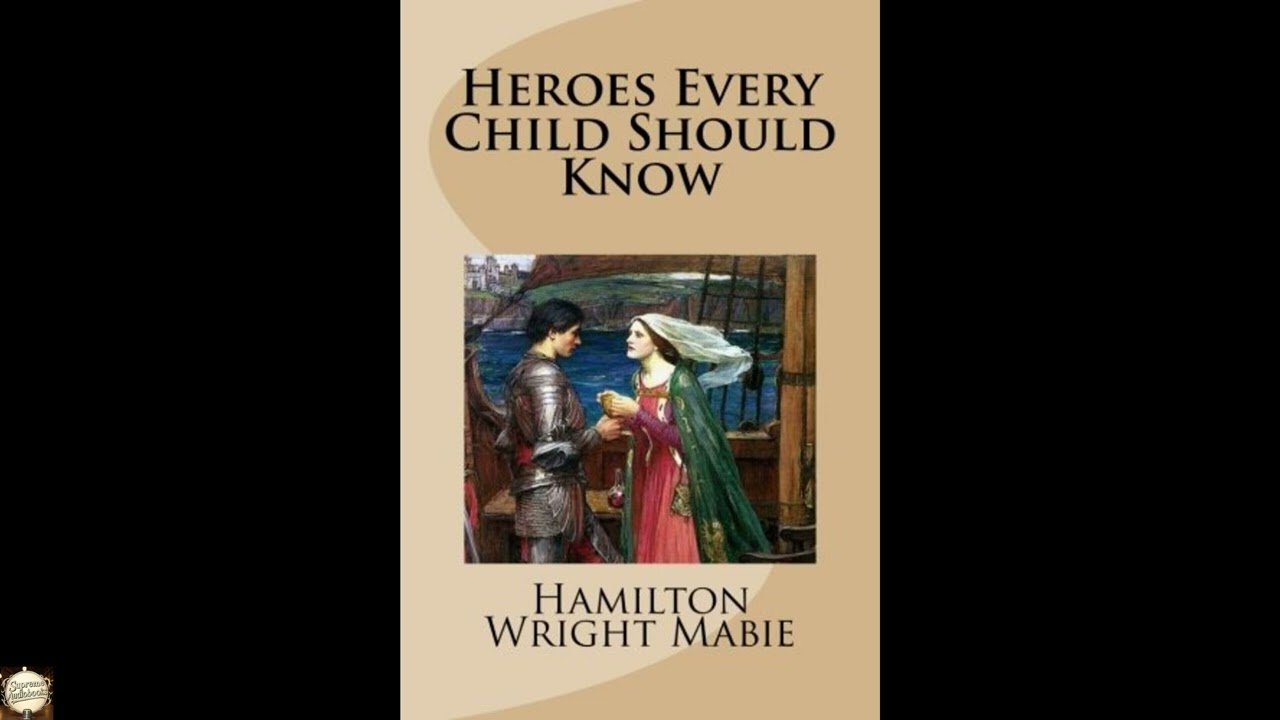
Heroes Every Child Should Know
Long before screens offered fleeting distractions, humanity’s deepest truths and noblest aspirations were preserved in the timeless stories of heroes. Hamilton Wright Mabie’s "Heroes Every Child Should Know" stands as a vital portal to this ancient wisdom, a carefully curated collection designed to ignite the imagination and fortify the spirit. In a world increasingly complex and often cynical, the need for clear examples of courage, integrity, and selfless action remains undiminished. This enduring work, first presented to young readers at the dawn of the twentieth century, continues to offer a foundational understanding of the virtues that shape character and build civilizations, reminding us that the principles of true heroism transcend the ages and remain profoundly relevant for listeners of all generations today. The stories assembled within "Heroes Every Child Should Know" sweep across millennia and continents, painting vivid pictures of mythical lands, ancient battlegrounds, and pivotal historical moments. The collection begins by immersing us in the sun-drenched world of classical Greece, introducing figures whose names resonate through Western culture: the mighty Hercules, famed for his twelve arduous labors; Perseus, the slayer of Medusa; and Odysseus, the cunning king whose perilous ten-year struggle to return home after the Trojan War became an archetypal tale of perseverance. From these Hellenic legends, the collection transitions to the frosty sagas of the Norse pantheon, where listeners encounter the valiant Siegfried, a dragon-slayer whose story is steeped in magic and tragic destiny, and the legendary King Arthur, whose court at Camelot symbolized an idealistic pursuit of justice and chivalry in medieval England. Later sections of the book extend the definition of heroism beyond the purely mythical and martial, bringing us closer to more recent, yet equally inspiring, figures. We witness the unwavering determination of William Tell, whose legendary act of defiance against tyranny became a symbol of Swiss independence. The narrative then moves to the foundational tales of American history, honoring the steadfast leadership of George Washington and the moral fortitude of Abraham Lincoln, men whose actions shaped a nascent nation. Finally, the collection highlights the quiet courage and profound compassion of Florence Nightingale, whose pioneering work in nursing revolutionized healthcare. Mabie masterfully presents not a single plot, but a progression through the diverse forms heroism can take, from physical prowess and strategic brilliance to moral leadership and humanitarian service, all without diminishing the awe these figures inspire. The overarching narrative arc is one of discovery, as each hero's tale contributes to a broader understanding of what it means to live a life of purpose and principle. Hamilton Wright Mabie, born in Cold Spring, New York, in 1845, was a distinguished American essayist, editor, and critic whose literary career spanned the late nineteenth and early twentieth centuries. After graduating from Williams College and attending Columbia Law School, Mabie chose to dedicate his life to letters, becoming the associate editor of The Outlook magazine in 1879, a position he held with distinction for over thirty years. His tenure at The Outlook allowed him to shape public opinion on literature, culture, and ethics, making him a prominent voice in American intellectual life. Beyond his editorial duties, Mabie was a prolific writer, known for his graceful prose and his dedication to making classical literature and moral themes accessible to a wider audience. His body of work includes collections of essays such as My Study Fire and Under the Trees, which showcased his reflective style and appreciation for nature and contemplation. He also penned Norse Stories Retold from the Eddas, another significant contribution to the field of bringing foundational myths to young readers. Mabie’s work reflects a literary sensibility that valued beauty, moral clarity, and the enduring power of storytelling. He belonged to a generation of writers and educators who believed in the formative power of literature, seeing it not merely as entertainment, but as a crucial tool for character development and cultural enrichment, establishing his place as a significant popularizer of classical narratives and a thoughtful commentator on American life and letters. He passed away in 1916, leaving behind a legacy of thoughtful criticism and beloved retellings. At its core, "Heroes Every Child Should Know" champions the theme of courage, not just in battle, but in the face of impossible odds and moral dilemmas. We see this vividly in Hercules's arduous labors, where sheer physical strength is matched by unwavering resolve against mythical beasts and seemingly insurmountable tasks, or in the steadfast stand of Roland at Roncesvalles, embodying loyalty and valor even unto death. Another profound theme is self-sacrifice for the greater good. Odysseus endures years of hardship and loss not for personal glory, but for the sake of his home and family, demonstrating a commitment that outlasts every temptation and obstacle. Similarly, the compassion and dedication of Florence Nightingale, who defied societal expectations to tend to the wounded and revolutionize sanitation in hospitals, exemplify how heroism can manifest through selfless service and a tireless pursuit of human welfare, requiring a different, yet equally potent, form of bravery. The collection also underscores the themes of justice and moral leadership. King Arthur's establishment of the Round Table and his knights' quest for the Holy Grail symbolize an enduring aspiration for a society founded on fairness and spiritual purity. William Tell’s courageous act of rebellion against tyranny shows the individual's power to stand for freedom and justice when oppressive forces threaten. These narratives, drawn from diverse cultural traditions, collectively assert that true heroism is intrinsically linked to a strong moral compass and the willingness to uphold righteous principles, offering listeners not just exciting tales but clear ethical guideposts. When Mabie compiled "Heroes Every Child Should Know" in 1906, America was in the throes of the Progressive Era, a period marked by rapid industrialization, burgeoning cities, and a massive influx of immigrants. This societal transformation brought with it both immense opportunities and significant challenges, including concerns about social cohesion and the erosion of traditional values. In this context, there was a widespread cultural imperative to instill a common set of moral principles and a shared cultural heritage in the nation's youth, particularly among the children of immigrants who were assimilating into American society. Mabie's work emerged from this desire to provide a foundational "canon" of exemplary figures whose stories could serve as models of character and civic virtue. Educators and parents of the time actively sought literature that would inspire integrity, perseverance, and patriotism. "Heroes Every Child Should Know" fit perfectly into this educational framework, offering engaging narratives that subtly conveyed important moral lessons. It was part of a broader literary movement that saw the re-telling of myths, legends, and historical biographies as essential tools for character building, bridging the gap between ancient wisdom and the demands of modern life. The book reflected a societal yearning to connect a rapidly changing present with the enduring ethical truths of the past, making these stories more than just entertainment, but crucial educational texts designed to foster a virtuous and cohesive citizenry. Listening to "Heroes Every Child Should Know" as an audiobook offers a uniquely resonant experience, connecting the modern listener to the oral traditions from which many of these tales originated. A skilled narrator breathes life into the pantheon of characters—from the booming voice of a god to the whispered counsel of a wise mentor, or the defiant cry of a legendary hero. The spoken word allows the epic sweep of these narratives to unfold naturally, inviting listeners to fully immerse themselves in the world of myth and history. The several hours of content make it an ideal companion for family road trips, a comforting presence during quiet evenings, or a source of contemplation during daily routines. Pay close attention to the pacing, which can dramatically shift from the frenetic energy of a heroic chase to the measured solemnity of a moral lesson, and how the narrator's voice distinguishes the varied personalities, enhancing the atmosphere of each distinct tale, allowing the stories to truly resonate and leave an indelible mark on the imagination.
Enjoyed Heroes Every Child Should Know? A few ways to support us
Audible & Amazon links are affiliate; we may earn a small commission at no extra cost.
About this production
Human narration by a volunteer reader from LibriVox.org, the public-domain audiobook project. LibriVox volunteers record literary works whose copyright has expired in the United States, releasing the resulting recordings into the public domain.
Heroes Every Child Should Know by Hamilton Wright Mabie. The underlying text is in the U.S. public domain. We do not republish any modern copyrighted edition, translation, or commentary.
The 4K cinematic visuals accompanying this audiobook are generated by an AI image model from prompts derived from the source text. No copyrighted photos, paintings, or stock footage are used. AI generation is disclosed on every video on our YouTube channel as required by YouTube's altered/synthetic content policy.
English subtitles are transcribed from the LibriVox recording with OpenAI Whisper. Translations into the 11 other supported languages are produced by Meta's NLLB-200 neural translation model. No human translator's copyrighted translation is used.
Questions about sourcing or rights? See our DMCA & Sourcing policy or contact us.
Enjoyed this audiobook?
If you'd like to own a copy of Heroes Every Child Should Know or hear a professionally produced edition, the links below help support free audiobook production at no extra cost to you.
As an Amazon Associate we earn from qualifying purchases. Audible / print links are affiliate.
More by Hamilton Wright Mabie
More Audiobooks
Frank Merriwell, Junior's, Golden Trail; Or, The Fugitive Professo
Myths That Every Child Should Know: A Selection of the Classic Myths of All Times
Frank Merriwell's Triumph; Or, The Disappearance of Felicia
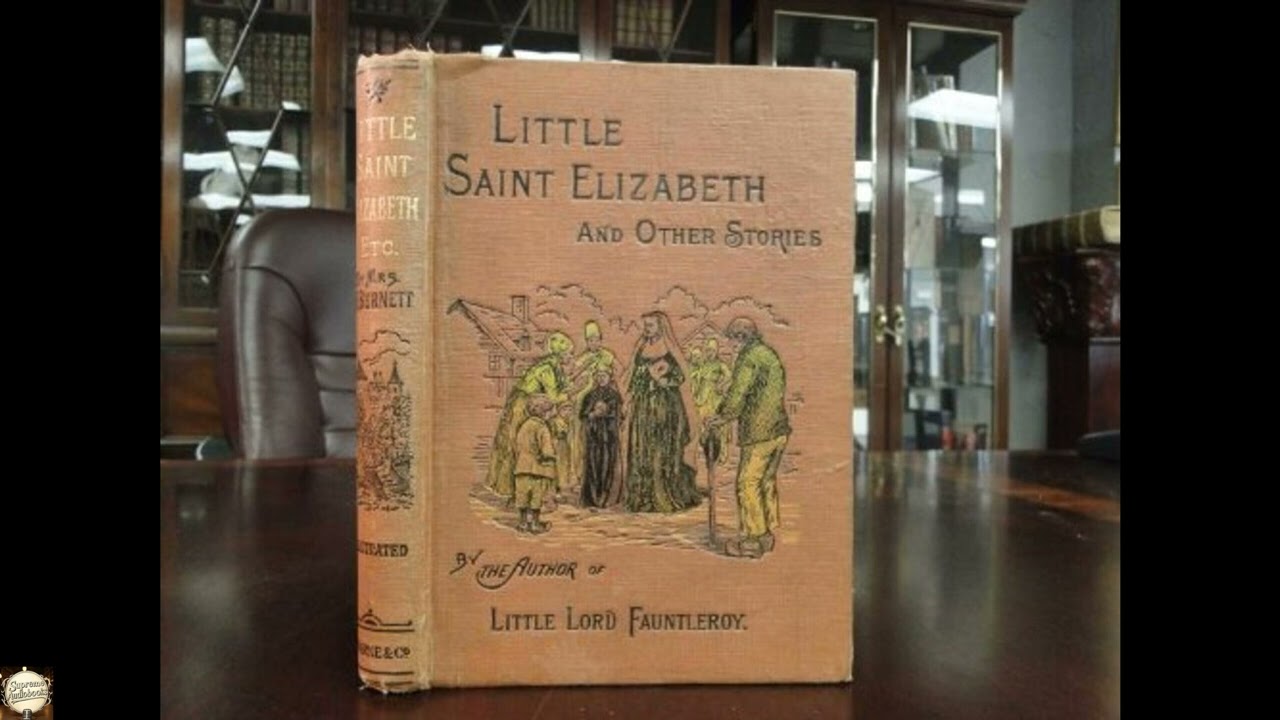
Little Saint Elizabeth: And other stories