Hello, Soldier!'. Khaki Verse
Step into a world shaped by camaraderie, grit, and the stark realities of conflict with Edward Dyson's Hello, Soldier!'. Khaki Verse. This collection of poignant and spirited poems, penned by one of Australia's most beloved early twentieth-century literary voices, offers an immediate and human entry point into the soldier's experience during a pivotal era. Far from dry historical accounts, these verses pulse with the daily lives, the fears, the simple joys, and the profound sacrifices of men in uniform, speaking to universal themes of courage, longing, and national identity that resonate just as powerfully today as they did when first published. It is an invitation to understand a particular moment in history through the very heart and soul of those who lived it. Hello, Soldier!'. Khaki Verse immerses the listener in the world of the Anzac soldier, from the bustling barracks to the stark landscapes of distant battlefields. The collection doesn't follow a single character's progression, but rather orchestrates a chorus of voices and experiences, creating a mosaic of military life. Listeners will find themselves transported to the sun-drenched camps where recruits forge unbreakable bonds, sharing jokes and anxieties before the true test of war. The narrative arc woven through these poems moves from the initial call to arms and the spirited farewells, through the arduous training and the long sea voyages, to the harsh realities of front-line duty. The "characters" are the archetypal soldiers – the eager young recruit, the stoic veteran, the larrikin joker, the quiet observer – each contributing to a collective portrait of a generation facing unimaginable challenges. The central conflict animating these verses isn't just the clash of armies, but the internal struggle of men confronting their own mortality, the separation from home and loved ones, and the psychological weight of sustained combat. Dyson’s verse frequently portrays the tension between the patriotic ideals that drew men to enlist and the grim, often mundane, truth of warfare. We witness moments of stark danger, but also the enduring spirit of humor and resilience that defined these soldiers. The collection skillfully balances moments of high drama with quiet reflections, offering glimpses into the thoughts of men dreaming of home, sharing scant rations, or finding solace in the camaraderie of their mates. While the poems individually offer snapshots, together they construct a powerful, sweeping panorama of the emotional and physical terrain traversed by the khaki-clad fighting man, never revealing the ultimate fate of any single individual, but rather capturing the ongoing human condition within the crucible of war. Edward Dyson, born in Ballarat, Victoria, in 1865, lived a life as varied and Australian as the subjects of his verse. The son of a mining engineer, Dyson spent his youth in the goldfields, an experience that profoundly shaped his early literary output, filling it with authentic portrayals of miners, prospectors, and the rugged landscape. He was part of a remarkable literary family, with his brothers Will and Ambrose achieving recognition as cartoonists and his sister Ruby also a published writer. Dyson’s career initially saw him working as a journalist in Melbourne, a role that honed his observational skills and his ability to capture the vernacular speech and everyday struggles of ordinary Australians. He published his first collection of verse, Rhymes from the Mines and Other Lines, in 1896, firmly establishing himself as a significant voice in the emerging Australian literary tradition. Throughout his career, Dyson transitioned from the vivid depiction of mining life to broader themes, including social commentary and, notably, the national response to World War I. His ability to connect with the common person through accessible language and relatable scenarios made him immensely popular. He was a prolific writer, contributing widely to newspapers and magazines, producing numerous short stories, novels, and additional poetry collections. Dyson's place in the Australian literary canon is secured by his authentic depiction of late 19th and early 20th-century Australian life, his contribution to bush poetry, and his keen ability to distill complex human emotions into memorable verse. He passed away in 1931, leaving behind a body of work that continues to provide valuable insights into his country's cultural landscape. The themes resonating throughout Hello, Soldier!'. Khaki Verse speak directly to the human experience under duress. One prominent theme is the unwavering spirit of "mateship" – the profound loyalty and solidarity among soldiers. This is often shown in scenes of shared adversity, where men rely on each other not just for survival in the trenches, but for emotional support, a comforting joke in the face of despair, or a simple act of kindness that makes the unbearable bearable. Another key theme is the tension between the call of patriotic duty and the longing for home. Dyson’s verses frequently juxtapose stirring images of flags and national pride with tender recollections of family, the comfort of a familiar landscape, or the quiet domestic scenes left behind, illustrating the soldier's dual existence between two worlds. The book also grapples with the sheer brutality and waste of war, often through understated observations rather than overt condemnation. Moments of quiet reflection on the cost of conflict, the loss of life, and the enduring physical and psychological scars emerge. Alongside this, Dyson highlights the surprising resilience and dark humor that often emerged amidst the desolation, allowing men to cope with unimaginable circumstances. This particular collection also underscores the nascent sense of Australian national identity forged on distant battlefields, as soldiers from different states found common cause and a shared sense of self in their collective experience. The poems, therefore, serve as a testament not only to individual courage but also to the forging of a collective character. Hello, Soldier!'. Khaki Verse emerged during a period of immense global upheaval and profound national introspection, specifically around the time of the Great War. The early twentieth century saw Australia, a relatively young nation, grappling with its identity on the world stage, and the call to arms during World War I provided a catalyst for this self-definition. Popular verse, often published in newspapers and journals, served as a crucial medium for public sentiment, disseminating news, fostering patriotism, and providing a voice for the soldiers themselves and their families on the home front. Dyson's poems tapped directly into this widespread cultural moment, offering both a morale boost and a genuine, often raw, reflection of the Australian experience of the conflict. The demand for readily accessible, emotionally resonant stories and poems about the war was immense, and authors like Dyson played a vital role in shaping public understanding and sentiment. Listening to Hello, Soldier!'. Khaki Verse as an audiobook offers a singular opportunity to connect with these poems in their most natural form: as spoken word. The carefully chosen narrator's voice becomes the conduit for Dyson’s verse, bringing to life the cadence, the rhythm, and the subtle inflections that can be missed on the page. You will notice the expert pacing, which allows each stanza to breathe, building atmosphere and emotional weight. The narrator's ability to convey different implied "voices"—from the boisterous camaraderie of the barracks to the quiet solemnity of a soldier's contemplation—enhances the storytelling power of the collection. The approximately "several hours" run length allows for a sustained immersion, letting the themes and emotional landscape unfold gradually, making this a perfect companion for thoughtful walks, commutes, or simply quiet moments of reflection, enabling a deeper appreciation for Dyson's artistry and the enduring spirit of his subjects.
Enjoyed Hello, Soldier!'. Khaki Verse? A few ways to support us
Audible & Amazon links are affiliate; we may earn a small commission at no extra cost.
About this production
Human narration by a volunteer reader from LibriVox.org, the public-domain audiobook project. LibriVox volunteers record literary works whose copyright has expired in the United States, releasing the resulting recordings into the public domain.
Hello, Soldier!'. Khaki Verse by Edward Dyson. The underlying text is in the U.S. public domain. We do not republish any modern copyrighted edition, translation, or commentary.
The 4K cinematic visuals accompanying this audiobook are generated by an AI image model from prompts derived from the source text. No copyrighted photos, paintings, or stock footage are used. AI generation is disclosed on every video on our YouTube channel as required by YouTube's altered/synthetic content policy.
English subtitles are transcribed from the LibriVox recording with OpenAI Whisper. Translations into the 11 other supported languages are produced by Meta's NLLB-200 neural translation model. No human translator's copyrighted translation is used.
Questions about sourcing or rights? See our DMCA & Sourcing policy or contact us.
Enjoyed this audiobook?
If you'd like to own a copy of Hello, Soldier!'. Khaki Verse or hear a professionally produced edition, the links below help support free audiobook production at no extra cost to you.
As an Amazon Associate we earn from qualifying purchases. Audible / print links are affiliate.
More Audiobooks
A Soldier's Life: Being the Personal Reminiscences of Edwin G. Rundle
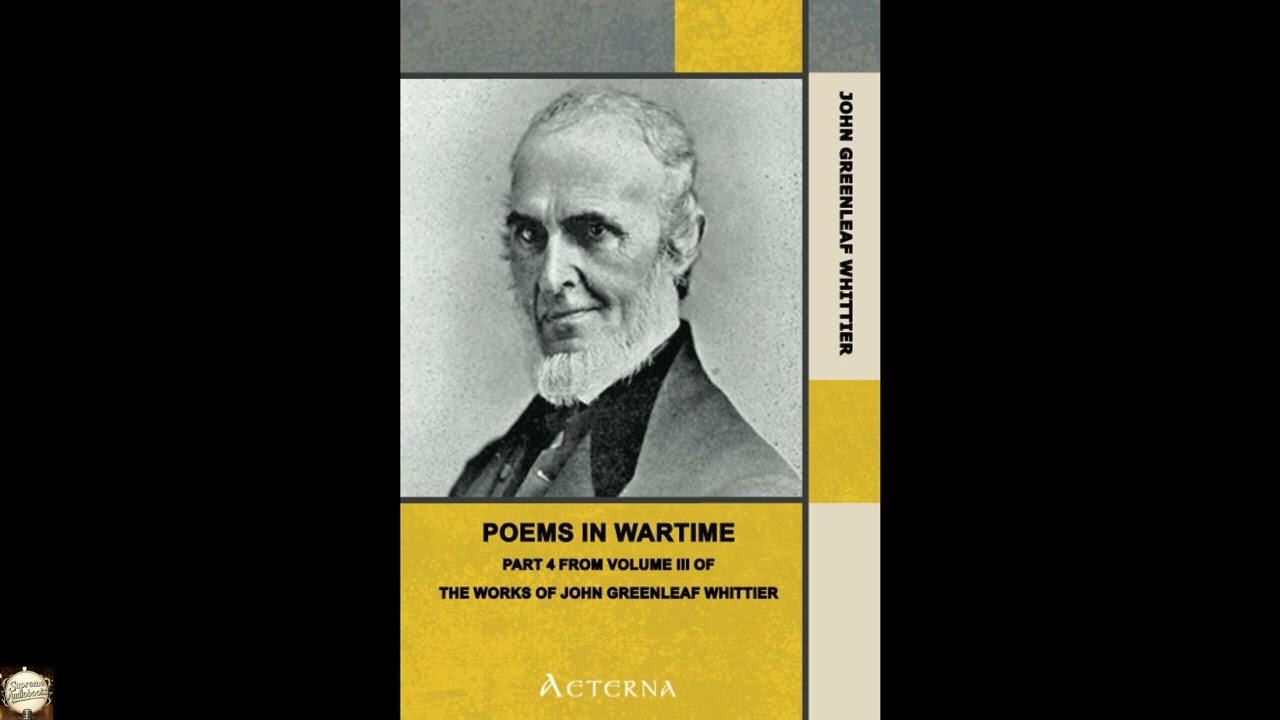
Poems in Wartime. Part 4 From Volume III of The Works of John Greenleaf Whittie
Rhymes of the Rookies: Sunny Side of Soldier Service
Soldiers Three Part II