About Edward Stratemeyer
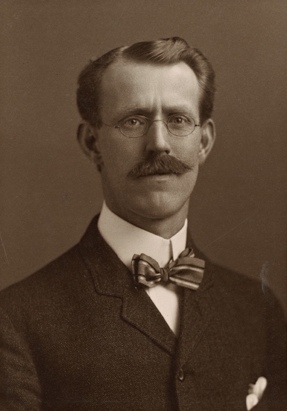
The literary landscape of American juvenile fiction was profoundly shaped by the vision and industry of Edward Stratemeyer, a figure whose name may not always headline library shelves, yet whose creations have entertained and inspired generations of young readers. Born on October 4, 1862, in Elizabeth, New Jersey, Stratemeyer spent his early life in the shadow of his father’s cigar manufacturing business. His formal education was limited, yet a keen intellect and a prodigious capacity for self-study led him to devour books and cultivate a talent for writing. He honed his craft by contributing stories to various boys' magazines, laying the groundwork for an unparalleled career.
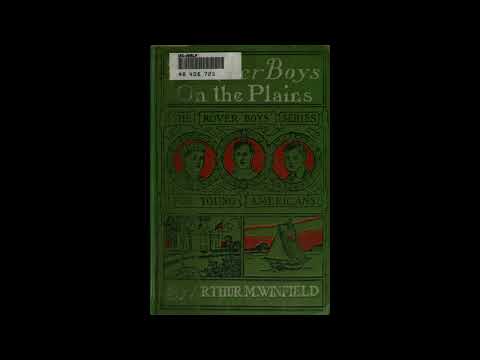
Stratemeyer’s entry into the publishing world occurred during an era when dime novels and serialized stories for youth were immensely popular. Recognizing a burgeoning market for wholesome, action-oriented narratives, he quickly established himself as a prolific author. His first significant work, *Richard Dare's Venture; or, Striking Out for Himself*, appeared in 1894, marking the beginning of a prolific period that would see him write hundreds of books under his own name and numerous pseudonyms like Arthur M. Winfield and Captain Ralph Bonehill. He did not simply write; he innovated, establishing the Stratemeyer Syndicate, a highly efficient system that employed ghostwriters to produce vast quantities of books under various house names, thereby guaranteeing a steady stream of new adventures for his eager audience.
Among his many notable works, readers found tales that transported them to thrilling locales and introduced them to resourceful young heroes. He penned *For the Liberty of Texas* (1900), which chronicles a young hero’s involvement in the Texas Revolution, instilling a sense of American history and courage. Outdoor adventure came alive in *Out With Gun and Camera; Or, The Boy Hunters in the Mountains* (1903), depicting the wilderness exploits of young hunters, and its sequel, *Four Boy Hunters; Or, The Outing of the Gun Club* (1906), continuing the boys' outdoor pursuits. He also originated series that became cornerstones of juvenile literature, such as *The Rover Boys*, beginning with *The Rover Boys at School* (1899), which followed the escapades of three brothers, and the *Dave Porter* series, starting with *Dave Porter at Oak Hall* (1904), detailing an orphan boy's boarding school life. Beyond his direct authorship, Stratemeyer conceived the concepts for hugely successful series like the Hardy Boys and Nancy Drew, which would launch under house pseudonyms and become cultural icons.
A consistent style defined Stratemeyer’s writing, characterized by fast-paced plots, clear moral lessons, and straightforward language. His narratives often centered on themes of patriotism, resourcefulness, perseverance, and loyalty, frequently showcasing protagonists who overcome adversity through wit and hard work. For instance, in *The Rover Boys at School*, the brothers consistently demonstrate their unwavering loyalty to each other and their friends, embodying the moral uprightness and problem-solving skills Stratemeyer championed. His stories typically concluded with a triumph of good over evil, reinforcing conventional virtues.
Edward Stratemeyer's place in literary history is not just as an author, but as an architect of popular culture. He revolutionized the production of children’s fiction, making reading accessible and exciting for millions. His syndicate model set a precedent for mass-produced series fiction, influencing how popular books are still created and marketed today. His emphasis on adventure, mystery, and achievement fostered a love of reading in countless children and his conceptual contributions to enduring characters ensured his legacy would extend far beyond his own lifetime.
Born in New Jersey, Edward Stratemeyer passed away on May 10, 1930, in Newark, New Jersey, leaving behind an unparalleled publishing empire and a catalog of stories that continue to entertain. His tales, filled with adventure and ingenuity, await new generations of listeners as free audiobooks.
More on Wikipedia →