Ghost Stories of an Antiquary
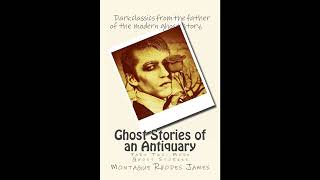
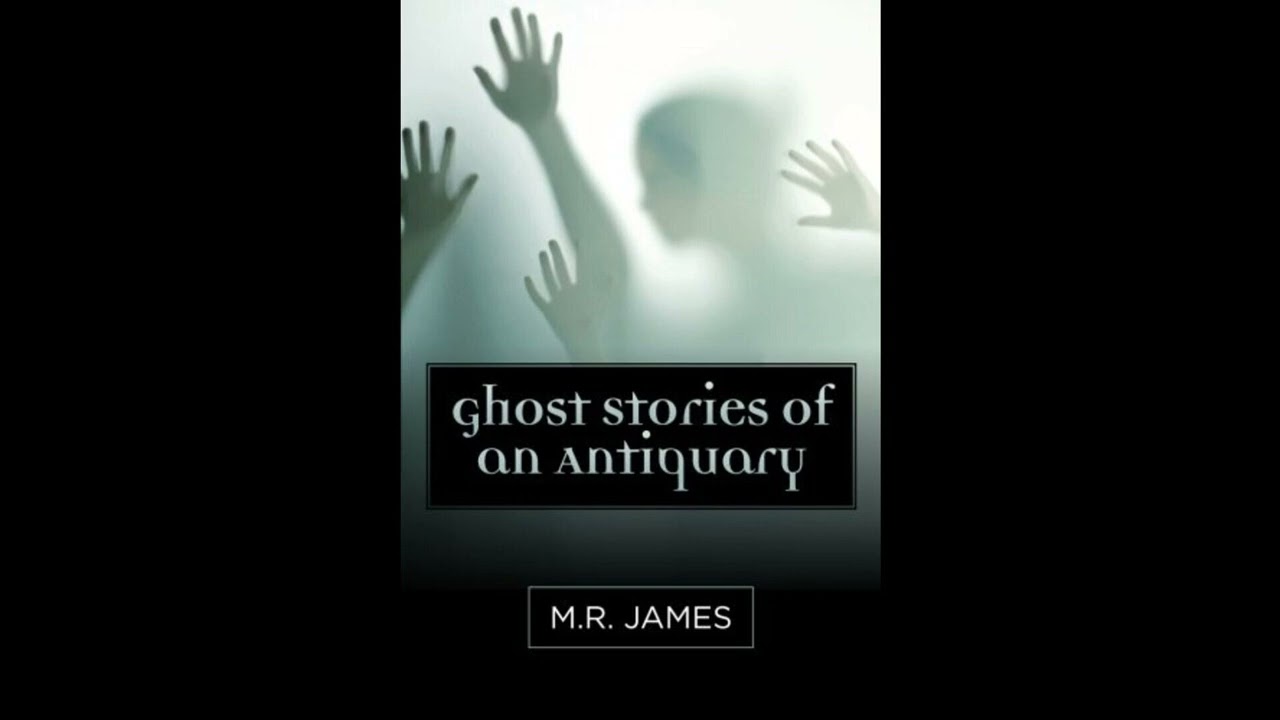
The air grows still, the shadows lengthen, and a disquieting chill begins to prickle the skin. This is the world of M.R. James, and his collection Ghost Stories of an Antiquary offers not just a few spooky tales, but a foundational experience in the genre of supernatural horror. For those who appreciate dread that creeps rather than lunges, who find terror in the subtly wrong rather than the explicitly monstrous, these stories remain as potent and unsettling today as they were when first whispered into existence. They represent a distinct, academic brand of fear, one that lingers long after the final word, inviting listeners to question the solid reality of their own surroundings and the true age of the objects they possess. Here, the past is not merely prologue; it is a malevolent, patient entity waiting for its moment. Within these pages, or rather, within this chilling auditory experience, one will encounter a distinct world of scholarly pursuits gone awry. The setting for many of James’s stories is often the quiet, hallowed grounds of academia – ancient English universities, isolated cathedral towns, or remote country estates where historical research takes place. His protagonists are typically solitary, learned men: professors, clergymen, antiquarians, or scholars dedicated to cataloging old manuscripts, excavating forgotten sites, or simply deciphering obscure texts. These are men of intellect and reason, usually skeptical by nature, which makes their eventual confrontation with the supernatural all the more effective. The central conflict invariably arises from an innocent, if sometimes hubristic, act of discovery. A seemingly innocuous artifact – an old woodcut, a rare book, a peculiar doll’s house, a fragment of an ancient garment – is uncovered, or a forgotten place is disturbed. Initially, this discovery might pique academic curiosity, but soon, subtle disturbances begin. A figure glimpsed in the periphery, a chilling gust of wind in an enclosed room, a whispered sound in the dead of night. These small, unsettling incidents gradually escalate, tightening the knot of dread around the unsuspecting scholar. The true terror lies in the slow, relentless realization that an ancient, often nameless, evil has been disturbed, and that it has fixed its attention on the unfortunate investigator. The stories rarely end with a grand confrontation or a heroic defeat of the entity; instead, the protagonist is usually left shattered, haunted, or irrevocably changed, and the malicious force often returns to its patient waiting, its threat undiminished. Montague Rhodes James, born in Kent, England, in 1862, lived a life steeped in academia and scholarship, a background that profoundly shaped his chilling fiction. Educated at Eton College and then King's College, Cambridge, he distinguished himself as a brilliant medieval scholar, paleographer, and biblical expert. His professional life was devoted to these pursuits; he served as the Director of the Fitzwilliam Museum at Cambridge, and later as Provost of both King's College and Eton. Far from being a full-time writer of fiction, James considered his ghost stories a sideline, often crafting them to be read aloud to friends and colleagues during Christmastide gatherings – a tradition that deeply influenced their narrative style and effectiveness. Despite his unassuming approach to fiction, James became a pivotal figure in English literature. His scholarly works, such as The Apocryphal New Testament and his meticulous catalogues of manuscript collections, cemented his reputation as a respected academic. However, it is his ghost stories that have secured his lasting legacy. He essentially refined and reinvented the ghost story genre, moving it away from the more overt horrors and melodramatic elements of earlier Victorian Gothic tales. He authored several collections, including More Ghost Stories of an Antiquary and A Thin Ghost and Others, each one further cementing his unique voice. James’s influence on subsequent horror writers, including H.P. Lovecraft, is widely acknowledged, placing him firmly in the canon as a master of atmospheric terror and the subtle uncanny. The stories gathered in Ghost Stories of an Antiquary enact several profound themes, each contributing to their enduring power. One dominant theme is the hubris of intellect and the danger of forbidden knowledge. James’s scholars, with their insatiable curiosity and rational minds, frequently trespass into realms best left undisturbed. In a typical scenario, a protagonist might uncover an old manuscript or an unusual engraving, believing it to be a mere academic curiosity, only to find that it acts as a conduit for an ancient, malevolent force. The horror stems from the idea that certain truths are too terrible for human comprehension, and that seeking them out invites catastrophe, not enlightenment. Another crucial theme is the pervasive nature of ancient malice and the lingering imprint of evil upon the physical world. Objects are not merely inanimate in James's universe; they can be imbued with sinister energies, acting as anchors for malevolent entities. A particularly chilling example, without revealing specifics, might involve an antique object – perhaps an engraving or a piece of furniture – that, once acquired, slowly begins to reveal its dark history and exert a terrifying influence on its new owner, demonstrating that the past is never truly dead, but merely waiting. The stories often highlight isolation and vulnerability as key elements. James's protagonists are often alone, absorbed in their studies, making them particularly susceptible to the psychological torment of their supernatural encounters. There are no heroes to call upon, no rational explanations to cling to, only the individual mind slowly unraveling in the face of the inexplicable. The emergence of Ghost Stories of an Antiquary in the early 20th century occurred during a fascinating period in British culture and literature. The Edwardian era, following the long reign of Queen Victoria, saw a shift in societal values and a growing fascination with both scientific progress and the hidden, unexplained aspects of existence. While Victorian spiritualism had flourished, James’s work moved away from the séance room and tales of benevolent spirits, instead focusing on a colder, more impersonal form of horror. He capitalized on a prevalent cultural interest in archaeology, folklore, and the rediscovery of ancient history, weaving these elements into narratives that tapped into primal fears of the unknown and the power of the pre-Christian past. His stories reflect a certain unease with the modernizing world, finding terror not in factories or new technologies, but in the untouched corners of old England – its churches, manor houses, and academic institutions – suggesting that true horror resided in the oldest, most seemingly benign places. To experience Ghost Stories of an Antiquary as an audiobook is to gain access to the stories in their most ideal form – akin to hearing them recounted by a distinguished scholar by a flickering firelight. The run length, several hours in total, encourages a focused, immersive listening experience, allowing the slow-burning dread of James’s narratives to truly take hold. Listen for the careful, measured pacing of the narration, which mirrors the author’s own precise prose, building suspense not through sudden shocks, but through subtle hints and encroaching atmosphere. The narrator’s voice becomes integral, conveying the quiet authority of the academic setting while subtly hinting at the growing unease. Dialogue is often spare but impactful, lending credibility to the rational minds before they are assailed by the irrational. It is in the pauses, the inflections, and the nuanced portrayal of mounting terror that the audio format truly excels, transforming words on a page into a visceral, chilling presence that will undoubtedly accompany you long after the final tale concludes.
Enjoyed Ghost Stories of an Antiquary? A few ways to support us
Audible & Amazon links are affiliate; we may earn a small commission at no extra cost.
About this production
Human narration by a volunteer reader from LibriVox.org, the public-domain audiobook project. LibriVox volunteers record literary works whose copyright has expired in the United States, releasing the resulting recordings into the public domain.
Ghost Stories of an Antiquary by M.R. James. The underlying text is in the U.S. public domain. We do not republish any modern copyrighted edition, translation, or commentary.
The 4K cinematic visuals accompanying this audiobook are generated by an AI image model from prompts derived from the source text. No copyrighted photos, paintings, or stock footage are used. AI generation is disclosed on every video on our YouTube channel as required by YouTube's altered/synthetic content policy.
English subtitles are transcribed from the LibriVox recording with OpenAI Whisper. Translations into the 11 other supported languages are produced by Meta's NLLB-200 neural translation model. No human translator's copyrighted translation is used.
Questions about sourcing or rights? See our DMCA & Sourcing policy or contact us.
Enjoyed this audiobook?
If you'd like to own a copy of Ghost Stories of an Antiquary or hear a professionally produced edition, the links below help support free audiobook production at no extra cost to you.
As an Amazon Associate we earn from qualifying purchases. Audible / print links are affiliate.