Four Plays of Aeschylus
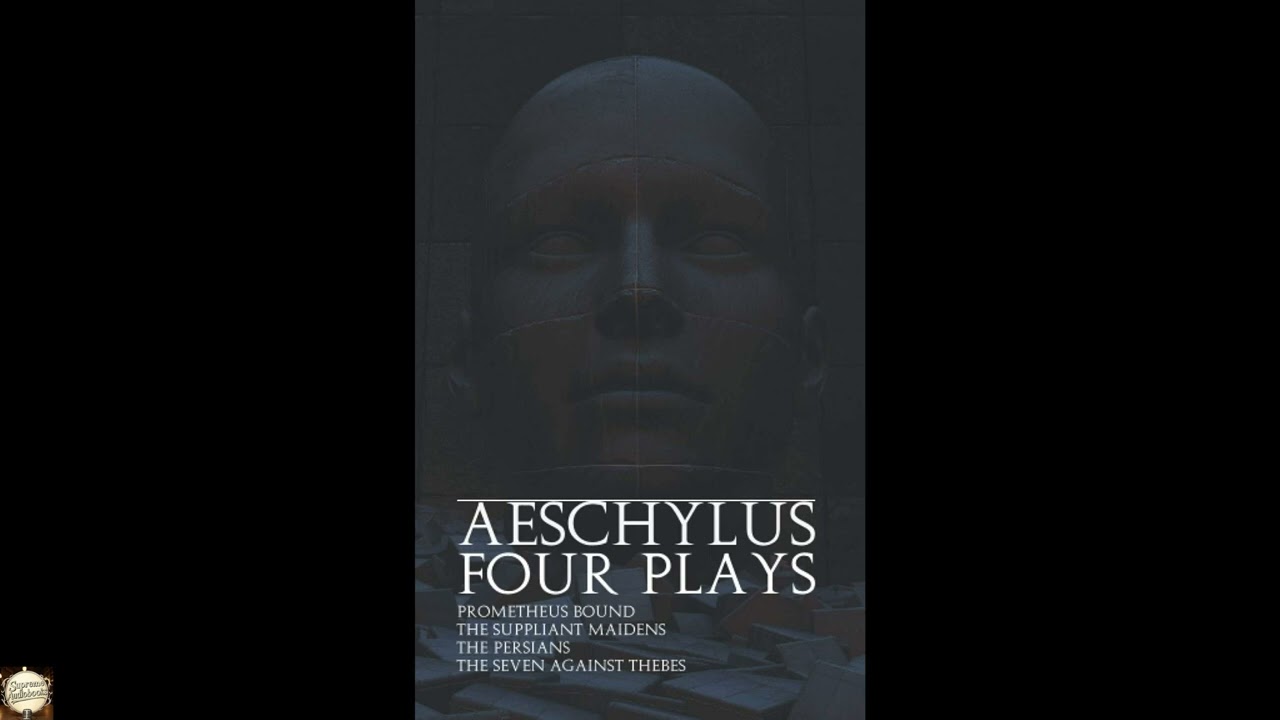
Step into the crucible of Western drama, where the very foundations of storytelling, ethics, and law were first forged in searing poetry. This collection, "Four Plays of Aeschylus," presents not merely ancient texts, but vital interrogations of human nature and divine power that still resonate with astonishing clarity today. Aeschylus, hailed as the father of tragedy, channels profound questions of justice, vengeance, fate, and the true cost of moral choice through the voices of kings, gods, and suffering mortals. To immerse oneself in these plays is to encounter the raw power of myth made drama, to understand the origins of theatrical art, and to confront the timeless dilemmas that continue to shape our understanding of right and wrong. Within these four dramatic narratives, listeners are transported to a mythic Greece where the will of the gods frequently collides with the ambitions and transgressions of humanity. One pivotal arc often depicted involves the cursed house of Atreus, beginning with the brutal sacrifice of a daughter, Iphigenia, by her father Agamemnon to appease the gods for favorable winds to Troy. This horrific act sets in motion a cycle of retribution that ensnares successive generations, each blood-debt demanding another, drawing the royal family deeper into suffering. The action typically unfolds in royal palaces or on the fields of battle, introducing characters driven by love, hatred, and an unwavering sense of duty or grievance. Another monumental drama within Aeschylus’ surviving body of work often places humanity at the mercy of divine tyranny, most famously illustrating the defiance of Prometheus against the absolute power of Zeus. Here, the setting is a stark, desolate landscape where the titan, Prometheus, is chained to a rock, a victim of divine punishment for his benevolence towards mankind. His unwavering endurance in the face of immense suffering and his exchanges with various cosmic figures reveal the precarious position of mortals caught between warring immortals and the struggle to assert autonomy in a universe governed by overwhelming force. Across these tales, the central conflict consistently revolves around how individuals and societies grapple with inherited guilt, the demands of the old law of "an eye for an eye," and the desperate search for a new, more reasoned form of justice. Aeschylus himself was a figure of immense historical and literary importance, born around 525 BC in Eleusis, a town near Athens, Greece. His life spanned a truly transformative period for Athens, witnessing the transition from tyranny to democracy and the monumental struggle of the Persian Wars. Aeschylus was not merely a poet; he was also a soldier, having famously fought in the Battle of Marathon in 490 BC, a victory that cemented Athenian independence and pride. This direct experience of conflict and the forging of civic identity undoubtedly shaped his dramatic vision, lending a profound gravity and public dimension to his plays. He is credited with introducing groundbreaking innovations to Greek theatre, most notably the use of a second actor, which allowed for genuine dialogue and character interaction rather than relying solely on the chorus. This fundamental shift moved tragedy beyond lyrical monologues and choral odes into dynamic dramatic confrontations, setting the stage for the dramatic forms we recognize today. Aeschylus wrote an estimated ninety plays, though only seven have survived in their entirety, including the complete Oresteia trilogy—a monumental work considered by many to be his crowning achievement—alongside other significant surviving plays such as The Persians, Seven Against Thebes, and The Suppliants. His work established the very form and thematic concerns of Greek tragedy, distinguishing him as the first great dramatist in the Western tradition. Aeschylus’ plays consistently wrestle with fundamental questions, offering deep insights into the human condition. One prominent theme is the nature of justice and the evolution from vengeance to law. The Oresteia powerfully illustrates this, tracing the cycle of reciprocal bloodshed within the House of Atreus and culminating in the founding of the Athenian court of the Areopagus, where abstract legal principles supersede personal retribution. The Furies, ancient spirits of vengeance, pursue Orestes for matricide, but in the end, Athens’ new judicial system offers a path to reconciliation and civic order. Another central idea is suffering as a pathway to wisdom—pathei mathos. Characters endure immense pain and loss, not always as mere punishment, but as a crucible through which understanding is gained, albeit at a terrible cost. Prometheus's prolonged torment, for instance, solidifies his wisdom and foresight, even while highlighting the tyranny he opposes. The dramas also critically examine the relationship between human will and divine decree, posing difficult questions about the extent of individual agency when confronted with the powerful dictates of gods or ancient curses. Characters often find themselves in impossible moral binds, forced to choose between terrible options, such as Agamemnon's choice to sacrifice his daughter. This leads directly to the question of the consequences of power and hubris, as both mortal rulers and even the Olympian gods demonstrate the dangers of unchecked authority and pride. Zeus’s brutal oppression of Prometheus in Prometheus Bound serves as a potent example of how power, when exercised without justice or mercy, leads to immense suffering and eventual challenge. These plays emerged from a specific cultural and political moment in 5th century BC Athens, a time of immense intellectual ferment and national pride. Following their triumph over the Persian Empire, Athens entered a golden age, fostering democracy, philosophy, and the arts. Drama itself was not merely entertainment but a profound civic and religious event, performed during the annual Dionysia festivals. These productions were highly competitive, funded by wealthy citizens, and attended by the entire populace, serving as a communal reflection on ethics, history, and the city’s identity. Aeschylus’ work particularly reflects the nascent stages of Athenian democracy and its legal system, providing dramatic meditations on the transition from archaic, blood-based justice to a more formalized, state-sanctioned jurisprudence. His plays, therefore, served both as public spectacles and as crucial public forums for discussing the very principles upon which the burgeoning Athenian society was built. Listening to "Four Plays of Aeschylus" as an audiobook offers an unparalleled way to connect with these foundational texts. These works were designed for oral performance, not silent reading, and a skilled narrator breathes life into the ancient verses, distinguishing the voices of defiant heroes, cunning queens, and the profound pronouncements of the chorus. The duration, spanning several hours, allows for a truly immersive experience, giving ample time to absorb the complexities of plot and character. Listen for the careful pacing that builds dramatic tension, the varied voices that convey personality and power, and the compelling dialogue that carries the weight of prophecy, curse, and moral debate. The auditory experience enhances the atmosphere, allowing the listener to perceive the grandeur, the solemnity, and the raw emotional power that defined ancient Greek tragedy, inviting a direct engagement with these enduring masterpieces of world literature.
Enjoyed Four Plays of Aeschylus? A few ways to support us
Audible & Amazon links are affiliate; we may earn a small commission at no extra cost.
About this production
Human narration by a volunteer reader from LibriVox.org, the public-domain audiobook project. LibriVox volunteers record literary works whose copyright has expired in the United States, releasing the resulting recordings into the public domain.
Four Plays of Aeschylus by Aeschylus. The underlying text is in the U.S. public domain. We do not republish any modern copyrighted edition, translation, or commentary.
The 4K cinematic visuals accompanying this audiobook are generated by an AI image model from prompts derived from the source text. No copyrighted photos, paintings, or stock footage are used. AI generation is disclosed on every video on our YouTube channel as required by YouTube's altered/synthetic content policy.
English subtitles are transcribed from the LibriVox recording with OpenAI Whisper. Translations into the 11 other supported languages are produced by Meta's NLLB-200 neural translation model. No human translator's copyrighted translation is used.
Questions about sourcing or rights? See our DMCA & Sourcing policy or contact us.
Enjoyed this audiobook?
If you'd like to own a copy of Four Plays of Aeschylus or hear a professionally produced edition, the links below help support free audiobook production at no extra cost to you.
As an Amazon Associate we earn from qualifying purchases. Audible / print links are affiliate.