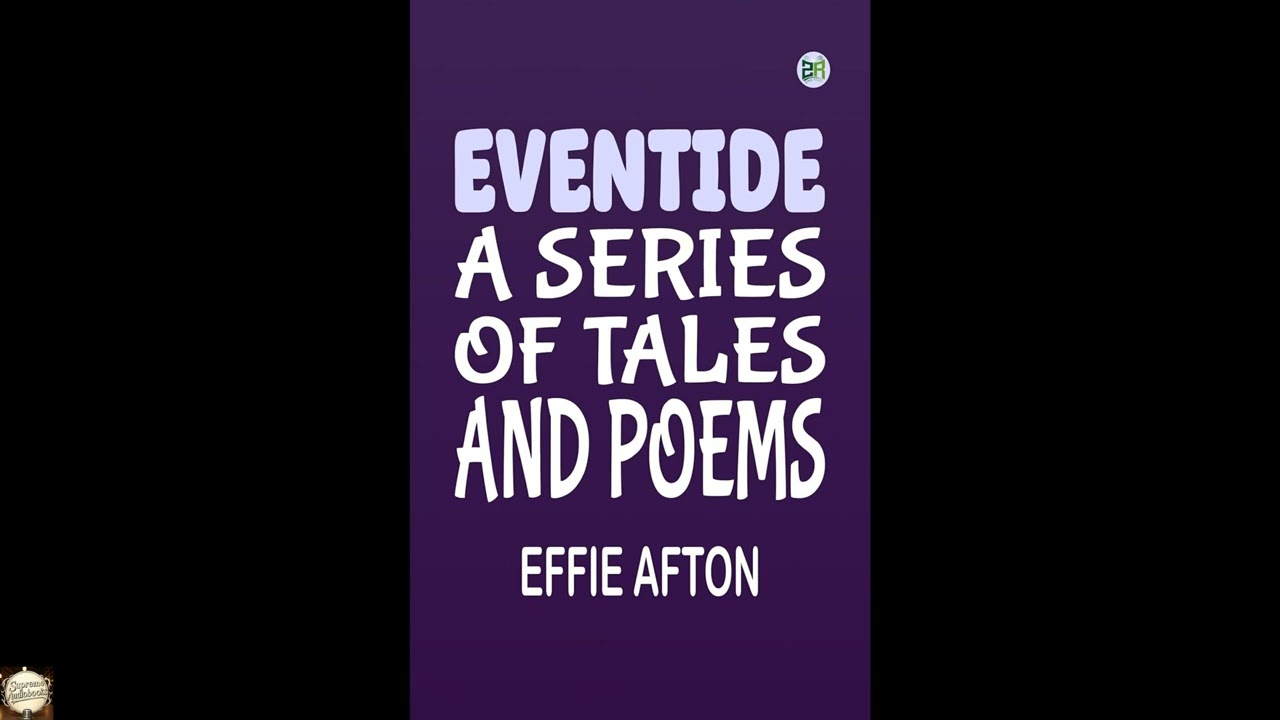
Eventide A Series of Tales and Poems
Step into a quieter moment, away from the clamor of the modern world, and discover the enduring charm of Effie Afton's "Eventide A Series of Tales and Poems." This collection, a cherished cornerstone of classic literature, offers not merely stories and verses, but an invitation to contemplate the profound yet gentle rhythms of human experience. From its opening lines, the work draws listeners into a world where observation and reflection reign supreme, offering solace and insight that resonate just as powerfully in today's fast-paced digital age as they did upon its initial publication. It's a reminder that beauty, sorrow, and wonder are constants, waiting to be found in the quiet corners of our lives and minds. "Eventide" unfolds not as a singular narrative, but as a mosaic of vignettes and lyrical expressions, each piece a carefully cut jewel reflecting a different facet of life in a bygone era. The tales often find their footing in the rural landscapes of the late nineteenth or early twentieth century, depicting farming communities, quiet villages nestled by winding rivers, and the gaslit interiors of modest homes. Here, characters are not grand figures of history, but ordinary people facing universal struggles and joys: a young woman contemplating her future beyond the village fence, an aging craftsman reflecting on a lifetime of work, a family gathering for an evening meal amidst the changing seasons. These narratives are characterized by their keen attention to detail, painting vivid pictures of rustic life, the cycles of nature, and the intricate bonds of community. The poems interwoven throughout the collection complement these narratives with their introspection and emotional depth. They frequently take inspiration from the natural world – the soft fall of twilight, the steady growth of a garden, the whisper of wind through autumn leaves – using these observations as a springboard for meditations on memory, loss, resilience, and the quiet dignity of existence. While no overarching "plot" in the conventional sense binds these pieces, a thematic unity emerges: a shared sensibility that values quietude, the beauty of the mundane, and the persistent human spirit. The emotional arc of "Eventide" is one of gradual revelation, moving from gentle melancholy to hopeful acceptance, all while maintaining a respectful distance, allowing the listener to draw their own conclusions about the poignant truths presented. The stories and poems collectively sketch a portrait of a particular time and place, yet their emotional core remains universally accessible, touching upon feelings that transcend generations. Effie Afton, the quiet force behind "Eventide," emerged as a distinctive voice in American letters during the latter half of the nineteenth century. Born into a modest family in a sprawling Midwestern state, Afton spent much of her early life observing the rhythms of rural existence, experiences that deeply informed the authenticity and gentle wisdom present in her writing. While she did not seek the spotlight of more prominent literary figures, her meticulous craftsmanship and empathetic portrayal of everyday life earned her a dedicated readership and critical respect. Her output, though not voluminous, included several well-regarded collections of short fiction and poetry that often appeared in literary magazines of the period, demonstrating a consistent dedication to chronicling the inner lives of ordinary people. Afton’s work stands as a quiet but firm counterpoint to some of the more boisterous literary movements of her time. While realism gained traction and authors wrestled with the harsh realities of industrialization, Afton chose instead to perfect a style characterized by its lyrical prose and understated emotional power. She carved out a unique space, less concerned with social polemic and more with the subtle shifts of the human heart and the enduring beauty found in the commonplace. Her ability to infuse seemingly simple scenes with profound meaning solidified her place as a significant, if understated, contributor to the literary canon, offering a perspective that valued introspection and natural beauty above all else. She remains a beloved figure for readers who appreciate literature that speaks to the soul with quiet sincerity. The narratives and poems within "Eventide" resonate with several enduring themes. One central idea is the solace found in nature and the changing seasons. For instance, a tale might depict a character finding peace watching the sun set over a field after a day of labor, or a poem could reflect on how the dormancy of winter gives way to the promise of spring, mirroring human cycles of despair and renewal. This connection to the natural world often serves as a grounding force for characters grappling with personal trials. Another prevalent theme is the fragility and persistence of memory. Many pieces gently ruminate on the past, perhaps through a character recalling a childhood moment or a poem meditating on the significance of heirlooms. These reflections are not mawkish; rather, they acknowledge the bittersweet nature of remembrance, the way the past shapes the present even as it recedes. Furthermore, Afton’s work frequently touches upon the quiet dignity of ordinary lives and labor. Her characters, often working people, are depicted not as victims of circumstance, but as individuals possessing an inherent worth and resilience, finding meaning in their daily routines and contributions to their communities. A scene showing a farmer carefully tending his crops or a seamstress meticulously crafting a garment exemplifies this respect for honest toil and the simple satisfactions it brings. Finally, a pervasive thread is the search for beauty in the everyday. Afton has an extraordinary gift for elevating seemingly mundane observations—a specific quality of light, the scent of baking bread, the sound of rain on a roof—into moments of profound aesthetic and emotional significance, urging the listener to open their own senses to the world around them. The period when "Eventide" first saw print was a time of immense transition in the Western world. The late nineteenth and early twentieth centuries witnessed the acceleration of industrialization, the burgeoning of cities, and rapid technological advancements that profoundly reshaped daily life. In the United States, the echoes of the Civil War were still present, and a new American identity was being forged amidst waves of immigration and expansion. Culturally, there was a growing tension between traditional values rooted in agrarian life and the progressive, often unsettling, promises of modernity. "Eventide" emerged from this dynamic landscape as a kind of literary sanctuary. While some writers embraced the gritty realities of urban life or the grand sweep of historical change, Afton offered a space for contemplation and a celebration of quieter virtues. Her work can be seen as a thoughtful counter-narrative, a gentle insistence on the enduring value of introspection, community, and the human connection to the natural world at a time when these things felt increasingly threatened by the pace of societal transformation. It was a comfort for many, offering a sense of stability and a reminder of timeless truths amidst an era of rapid flux. Listening to "Eventide A Series of Tales and Poems" as an audiobook transforms the experience of this classic work. The collection's "several hours" run time is perfectly suited for extended periods of focused listening, whether during a quiet evening at home or on a reflective walk. The human voice lends a new dimension to Afton's carefully crafted prose and verse, allowing the listener to absorb the nuances of her language and the emotional depth of her observations without the distraction of the printed page. A skilled narrator can bring forth the subtle melancholy, the gentle humor, and the profound wisdom that permeates each tale and poem. Listen for the narrator's pacing, which should allow the thoughtful cadence of Afton's writing to breathe, emphasizing the pauses and inflections that highlight a character's internal world or the beauty of a natural description. The voice, particularly in the poetic sections, can reveal the underlying rhythm and musicality of the verse, deepening one's appreciation for Afton's lyrical artistry and creating an immersive, atmospheric encounter with a truly beloved literary voice.
Enjoyed Eventide A Series of Tales and Poems? A few ways to support us
Audible & Amazon links are affiliate; we may earn a small commission at no extra cost.
About this production
Human narration by a volunteer reader from LibriVox.org, the public-domain audiobook project. LibriVox volunteers record literary works whose copyright has expired in the United States, releasing the resulting recordings into the public domain.
Eventide A Series of Tales and Poems by Effie Afton. The underlying text is in the U.S. public domain. We do not republish any modern copyrighted edition, translation, or commentary.
The 4K cinematic visuals accompanying this audiobook are generated by an AI image model from prompts derived from the source text. No copyrighted photos, paintings, or stock footage are used. AI generation is disclosed on every video on our YouTube channel as required by YouTube's altered/synthetic content policy.
English subtitles are transcribed from the LibriVox recording with OpenAI Whisper. Translations into the 11 other supported languages are produced by Meta's NLLB-200 neural translation model. No human translator's copyrighted translation is used.
Questions about sourcing or rights? See our DMCA & Sourcing policy or contact us.
Enjoyed this audiobook?
If you'd like to own a copy of Eventide A Series of Tales and Poems or hear a professionally produced edition, the links below help support free audiobook production at no extra cost to you.
As an Amazon Associate we earn from qualifying purchases. Audible / print links are affiliate.