EGMONT: A PLAY
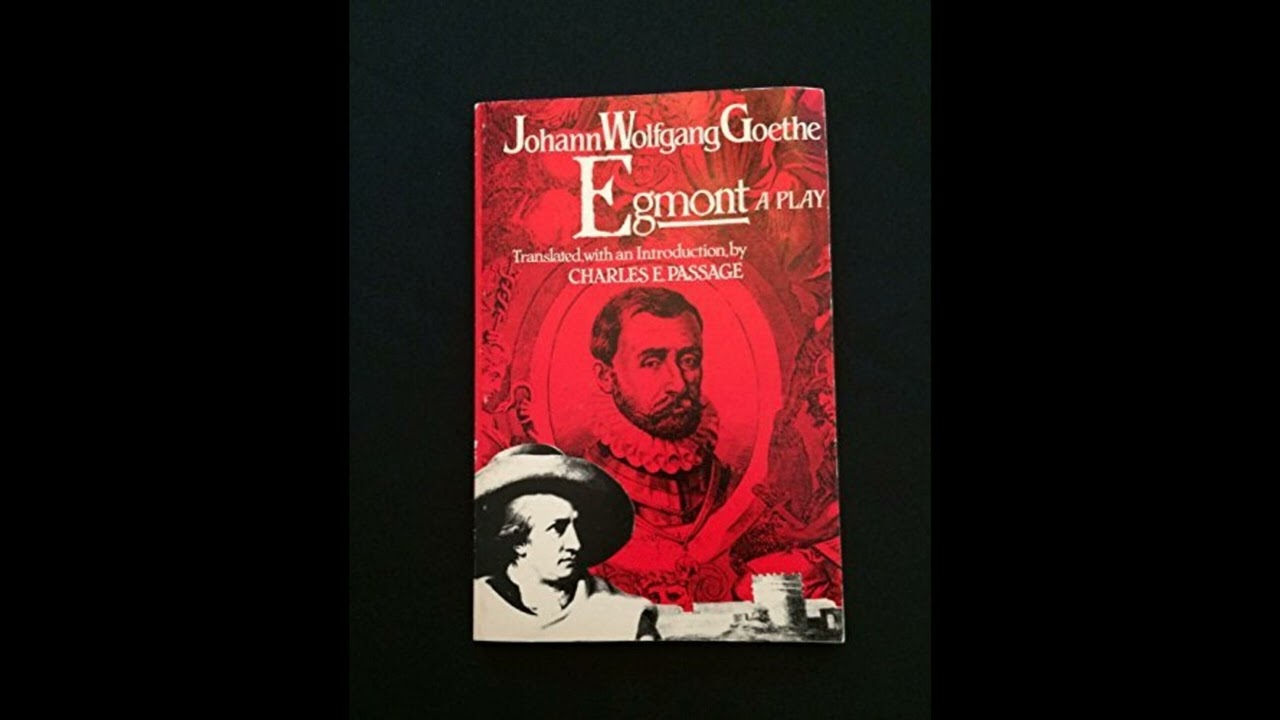
Step into the heart of a nation’s struggle for identity and freedom with Egmont: A Play, a powerful dramatic work by the unparalleled German literary titan, Johann Wolfgang von Goethe. This isn’t merely a historical drama; it’s a searing examination of idealism confronting tyranny, a vibrant portrait of a beloved hero caught between conscience and pragmatic survival. The narrative’s compelling questions about individual liberty, the nature of leadership, and the price of resistance resonate with startling clarity even today, making it a relevant and deeply moving experience for anyone grappling with similar societal tensions or simply seeking a story of profound human courage. The play transports listeners to the tumultuous Netherlands of the mid-16th century, a nation chafing under the iron fist of Spanish rule. At its core stands Count Egmont, a charismatic and popular nobleman, a man whose open nature and unwavering commitment to the rights of his people have made him a living symbol of their nascent independence. He embodies the spirit of freedom, often engaging in lively discussions with his compatriots, and finds a deep, tender connection with Klärchen, a young woman who adores him as a true hero. However, the political winds are shifting ominously. King Philip II of Spain, determined to quell any signs of rebellion, dispatches the ruthless Duke of Alba to the Netherlands with an army and an unyielding mandate to impose order through fear. Alba’s arrival casts a long, chilling shadow over the land, instigating a reign of terror and suspicion. Egmont, despite warnings from his more cautious friend, Prince William of Orange, refuses to flee, trusting in his own innocence and the perceived goodwill of the people. His steadfast refusal to abandon his countrymen, even in the face of overwhelming danger, sets him on a collision course with Alba’s cold, calculating authority. The central conflict boils down to a clash of philosophies: Egmont’s belief in humanity, honor, and the inherent right to freedom against Alba’s rigid adherence to absolute power and unfeeling control. The stage is set for a confrontation that will determine not only Egmont’s fate but also potentially the future of an oppressed nation. Johann Wolfgang von Goethe, born in 1749 in Frankfurt am Main, remains an undisputed colossus of German and world literature. His prodigious intellect and artistic output spanned an astonishing array of fields, from poetry and drama to scientific inquiry in botany and optics. Initially a leading figure in the Sturm und Drang (Storm and Stress) literary movement, which emphasized subjective emotion and individualism, Goethe later evolved towards Weimar Classicism, balancing passion with harmony and reason. After a transformative two-year Italian sojourn (1786-1788) that profoundly influenced his aesthetic sensibilities, he served for many years as a privy councilor and minister in the court of Duke Carl August of Weimar, demonstrating a rare blend of artistic genius and administrative capability. Goethe's literary legacy is immense. His early novel, The Sorrows of Young Werther, catapulted him to international fame, making him a household name across Europe. Yet, it is his magnum opus, Faust, a monumental poetic drama that he worked on for most of his life, which truly cemented his place in the literary pantheon. This epic philosophical work, along with countless lyrical poems, essays, and other plays, positions Goethe not just as a writer, but as a cultural epoch unto himself, influencing generations of thinkers and artists until his death in 1832. Egmont illuminates several profound human themes. Foremost among them is the eternal struggle between freedom and tyranny. Egmont himself is the embodiment of natural liberty, a man who lives openly and believes in the inherent rights of his people. His very presence, his easy manner, and his popularity are a challenge to Alba’s oppressive regime. The play contrasts Egmont’s light-hearted yet principled approach with Alba’s brutal efficiency, creating a stark dramatic representation of state control versus individual spirit. Another central theme is the nature of heroism, particularly the idealism of a hero who stands firm even when prudence suggests retreat. Egmont’s unwavering commitment to his ideals, even when it leads him into a perilous trap, raises questions about whether true heroism lies in pragmatic survival or in a steadfast adherence to one's convictions, whatever the cost. The play further addresses the tension between duty and conscience. Egmont, as a nobleman, has duties to his sovereign, yet his conscience compels him to protect his people from injustice. This internal conflict, though often obscured by his seemingly carefree exterior, drives much of his tragic decision-making. His refusal to betray his principles, even to save himself, highlights the moral weight of such choices. Finally, the narrative showcases the power of romantic love and loyalty through the character of Klärchen. Her passionate devotion to Egmont, and her despair at his plight, serve as a poignant counterpoint to the cold political machinations, emphasizing the human cost of political oppression and the personal sacrifices made in the name of a larger cause. Goethe commenced writing Egmont in 1775 but did not publish the final version until 1788, a period marked by significant intellectual and political ferment in Europe. The late 18th century was the height of the Enlightenment, an era when ideals of reason, individual rights, and national self-determination were gaining momentum. Revolutions in America and France, though the latter was still brewing when the play was completed, underscored a widespread questioning of absolute monarchical power and an increasing demand for liberty. Germany itself was a collection of fragmented states, fostering a growing sense of national identity and a desire for unifying narratives. Against this backdrop, Egmont emerged as a powerful statement. While set in the 16th century, the play’s depiction of a popular leader resisting foreign oppression spoke directly to contemporary German aspirations for unity and freedom from external domination. It tapped into the burgeoning Romantic sensibilities of the time, which favored passionate heroes and dramatic clashes of will, while also reflecting Enlightenment ideals of human dignity. Goethe’s decision to portray a historical figure fighting for freedom resonated deeply with a public increasingly aware of their own political landscape and the possibilities of self-governance. Listening to Egmont: A Play as an audiobook offers an immersive and uniquely impactful experience. The dramatic structure, designed for live performance, translates exceptionally well to the auditory medium, allowing the listener to fully appreciate the power of Goethe’s dialogue and the emotional weight of each scene. The narrator’s skillful pacing and voice work breathe life into Egmont’s buoyant optimism, Alba’s chilling pronouncements, and Klärchen’s fervent adoration, creating distinct soundscapes for the political machinations, the public unrest, and the intimate moments of affection. Over several hours of listening, the listener becomes a privileged observer, not just hearing the words, but feeling the palpable tension and the profound human stakes of a fight for freedom, making the narrative’s universal themes resonate with vivid clarity.
Enjoyed EGMONT: A PLAY? A few ways to support us
Audible & Amazon links are affiliate; we may earn a small commission at no extra cost.
About this production
Human narration by a volunteer reader from LibriVox.org, the public-domain audiobook project. LibriVox volunteers record literary works whose copyright has expired in the United States, releasing the resulting recordings into the public domain.
EGMONT: A PLAY by Johann Wolfgang. The underlying text is in the U.S. public domain. We do not republish any modern copyrighted edition, translation, or commentary.
The 4K cinematic visuals accompanying this audiobook are generated by an AI image model from prompts derived from the source text. No copyrighted photos, paintings, or stock footage are used. AI generation is disclosed on every video on our YouTube channel as required by YouTube's altered/synthetic content policy.
English subtitles are transcribed from the LibriVox recording with OpenAI Whisper. Translations into the 11 other supported languages are produced by Meta's NLLB-200 neural translation model. No human translator's copyrighted translation is used.
Questions about sourcing or rights? See our DMCA & Sourcing policy or contact us.
Enjoyed this audiobook?
If you'd like to own a copy of EGMONT: A PLAY or hear a professionally produced edition, the links below help support free audiobook production at no extra cost to you.
As an Amazon Associate we earn from qualifying purchases. Audible / print links are affiliate.