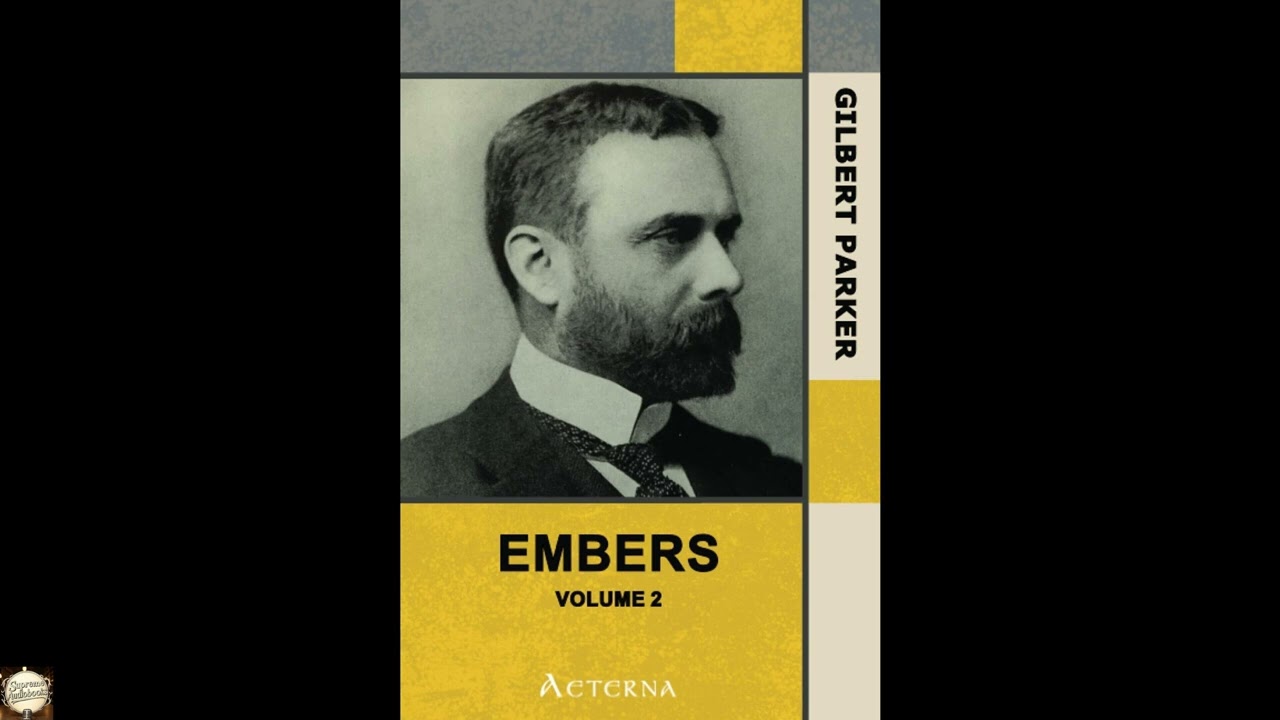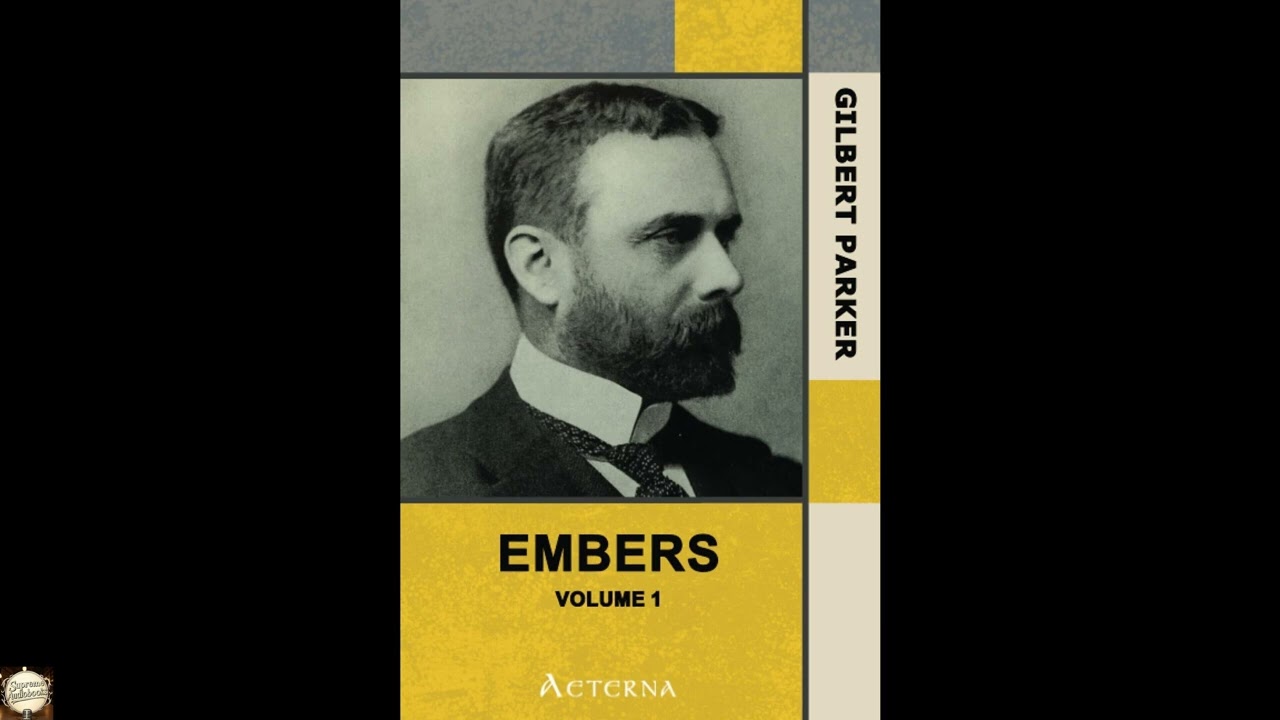
Embers, Volume 1
Gilbert Parker’s "Embers, Volume 1" invites listeners into a vivid historical world where the past fiercely contends with the encroaching future. This audiobook offers more than a simple narrative; it presents a compelling portrait of a community grappling with profound change, a tale where the individual will to preserve tradition clashes with the inexorable forces of progress. In a narrative that resonates deeply even today, Parker crafts a story about loyalty, identity, and the quiet heroism found in defending one’s heritage, urging us to consider what truly endures when the world around us transforms at a dizzying pace. It is a classic of Canadian literature that speaks to the universal human struggle for a sense of belonging and purpose against a grand, evocative backdrop. The narrative introduces us to Henri Dubois, a thoughtful young man, recently returned to his ancestral home in Sainte-Marie-du-Lac, a small, proud French-Canadian village nestled along the majestic St. Lawrence River in late 19th-century Quebec. He carries the weight of his family’s long history in the region, a lineage deeply tied to the land and its traditions. While his education in Montreal has exposed him to the wider world and modern ideas, his heart remains firmly rooted in the familiar rhythms of Sainte-Marie, where life moves at the pace of the seasons and community bonds run deep. The very air of the village seems steeped in history, its old stone houses and communal church a testament to generations of quiet endurance, each holding stories of perseverance and faith. The tranquility of Sainte-Marie, however, is on the brink of profound disruption. Whispers of a burgeoning timber industry and the expansion of railway lines from the west are no longer distant rumors but immediate threats. A powerful, English-speaking timber baron named Silas Thorne begins to acquire vast tracts of land surrounding the village, promising "progress" and prosperity while subtly undermining the traditional livelihoods of the local inhabitants. Henri finds himself reluctantly drawn into the emerging conflict, caught between the elders who advocate cautious compromise and the fiery younger generation who demand outright resistance. It is in this atmosphere of simmering tension that he encounters Genevieve Lacroix, a spirited schoolteacher whose family has farmed the same land for centuries. Her intelligence, fierce loyalty to her people, and unwavering spirit ignite a spark in Henri, transforming a sense of civic duty into a deeply personal quest. As Thorne’s influence grows and his tactics become increasingly aggressive, Henri takes on a more public role, attempting to rally his community and navigate the treacherous waters of local politics and external corporate power. He discovers that unity is fragile, and the promise of easy money can sway even the most steadfast. The narrative follows Henri’s earnest but often naive efforts to counteract Thorne’s machinations, leading him through tense negotiations, public speeches, and moments of profound self-doubt. His relationship with Genevieve deepens, their shared conviction and growing affection becoming a vital source of strength for them both amidst the escalating pressure. The "embers" of the title begin to signify not just the potential for destruction, but also the enduring warmth of human connection, the rekindling of a fighting spirit, and the lingering glow of a threatened but not yet extinguished way of life. The volume closes as the immediate future of Sainte-Marie hangs precariously in the balance, a major confrontation looming, leaving the resolution of their struggle and the fate of their community uncertain. Gilbert Parker, born in Ontario, Canada, in 1860, became one of the late Victorian and Edwardian eras' most celebrated authors. His early life saw him move from teaching to journalism, and even a brief but impactful stint as an Anglican priest, experiences that undoubtedly broadened his perspective on society and human nature. Parker’s travels across diverse landscapes—from the rugged Canadian wilderness to the bustling streets of Sydney, Australia, where he wrote for the Sydney Morning Herald—deepened his understanding of cultural identity and the challenges of forging a new life in unfamiliar territories, informing the dramatic backdrops of his later fiction. It was in London, England, where Parker truly forged his literary career, publishing a steady stream of novels and short stories that captured the public imagination. His keen interest in Canadian history and the unique spirit of its people, especially the French Canadians of Quebec, became a hallmark of his work. Parker’s popularity wasn't limited to the printed page; he also served as a Member of Parliament in the United Kingdom, representing Gravesend for the Conservative Party, a testament to his engagement with public life. His commitment to public service and his prolific literary output earned him a knighthood in 1902, solidifying his place as a prominent figure of his time. He penned many lasting works, including The Seats of the Mighty and The Right of Way, novels that share "Embers, Volume 1’s" commitment to compelling narrative and vividly drawn characters, often against the backdrop of historical Canada. At its heart, "Embers, Volume 1" grapples with the enduring power of cultural identity and the relentless march of progress. Parker illuminates the quiet strength of communities striving to preserve their heritage against overwhelming external pressures. Through Henri Dubois, we witness the profound tension between upholding long-held traditions and embracing the inevitable changes modernity brings. His dedicated efforts to protect Sainte-Marie-du-Lac’s ancestral lands from encroaching timber interests, particularly the ambitious Silas Thorne, vividly illustrate the deep roots of collective memory and the courage required to defend it, even when facing a seemingly insurmountable adversary. The "embers" here symbolize the smoldering flame of a unique culture, continually threatened but never entirely extinguished, a testament to the resilience of those who refuse to let their past fade into history. Beyond the societal conflicts, the narrative also portrays the deeply personal theme of duty versus individual desire. Henri finds himself torn between his obligation to his family and community, and his own burgeoning affections, particularly for Genevieve Lacroix, whose intellect and passion challenge his more conventional views. This internal battle highlights the universal dilemma of personal sacrifice for the greater good, and the complexities of love blossoming amidst profound societal upheaval. For instance, Henri’s choice to delay his own professional ambitions to remain and fight for his people, or the subtle ways his relationship with Genevieve strengthens his resolve, exemplify this central tension. Parker skillfully demonstrates how individual choices, shaped by loyalty, passion, and an evolving sense of purpose, can profoundly influence the fate of an entire community, underscoring the enduring power of the human spirit in the face of adversity and the quiet heroism of everyday people. "Embers, Volume 1" emerged from a Canada grappling with its identity in the late 19th and early 20th centuries, a period of rapid industrialization and nation-building. Following Confederation, the country was actively carving out its place in the world, often leading to friction between established French-Canadian communities and the expanding influence of Anglo-Canadian commercial and political interests. The narrative reflects this broader societal tension, particularly the ongoing struggle for cultural survival and economic autonomy in Quebec. This was a time when vast natural resources, like the timber described in the story, were being aggressively exploited, transforming landscapes and traditional ways of life across the Dominion. Parker's work sits squarely within a literary tradition that sought to define the Canadian experience, often through tales of adventure, historical romance, and the clash of cultures. Authors of this era frequently presented idealized versions of heroism and national character, against rugged, expansive backdrops. Parker himself, an ardent imperialist and a Member of the British Parliament, brought a perspective shaped by both his Canadian roots and his engagement with the broader British Empire. His narratives often wrestled with questions of loyalty, progress, and the preservation of unique traditions within a rapidly changing world, echoing the real-life debates and anxieties of the time, and offering a window into the prevailing sentiments and societal concerns of his era. Experiencing "Embers, Volume 1" as an audiobook offers a unique opportunity to immerse oneself fully in Parker’s world. A skilled narrator breathes life into the nuanced accents of Quebec, conveying the spirited dialogue and the deep emotional currents that animate Henri, Genevieve, and the people of Sainte-Marie-du-Lac. The gentle rhythm of the story, unfolding over several hours, makes for an ideal companion during quiet evenings, long commutes, or while engaged in daily tasks. Listen for the subtle shifts in pacing as the initial tranquility gives way to building tension, and for the way the narrator’s voice paints vivid pictures of the St. Lawrence River and the rugged landscapes, drawing you into the heart of this compelling historical drama with every carefully chosen inflection. The spoken word allows Parker’s descriptive prose to truly shine, transforming a reading into an experience that lingers long after the final chapter.
Enjoyed Embers, Volume 1? A few ways to support us
Audible & Amazon links are affiliate; we may earn a small commission at no extra cost.
About this production
Human narration by a volunteer reader from LibriVox.org, the public-domain audiobook project. LibriVox volunteers record literary works whose copyright has expired in the United States, releasing the resulting recordings into the public domain.
Embers, Volume 1 by Gilbert Parker. The underlying text is in the U.S. public domain. We do not republish any modern copyrighted edition, translation, or commentary.
The 4K cinematic visuals accompanying this audiobook are generated by an AI image model from prompts derived from the source text. No copyrighted photos, paintings, or stock footage are used. AI generation is disclosed on every video on our YouTube channel as required by YouTube's altered/synthetic content policy.
English subtitles are transcribed from the LibriVox recording with OpenAI Whisper. Translations into the 11 other supported languages are produced by Meta's NLLB-200 neural translation model. No human translator's copyrighted translation is used.
Questions about sourcing or rights? See our DMCA & Sourcing policy or contact us.
View 10 famous quotes from this book →
Enjoyed this audiobook?
If you'd like to own a copy of Embers, Volume 1 or hear a professionally produced edition, the links below help support free audiobook production at no extra cost to you.
As an Amazon Associate we earn from qualifying purchases. Audible / print links are affiliate.