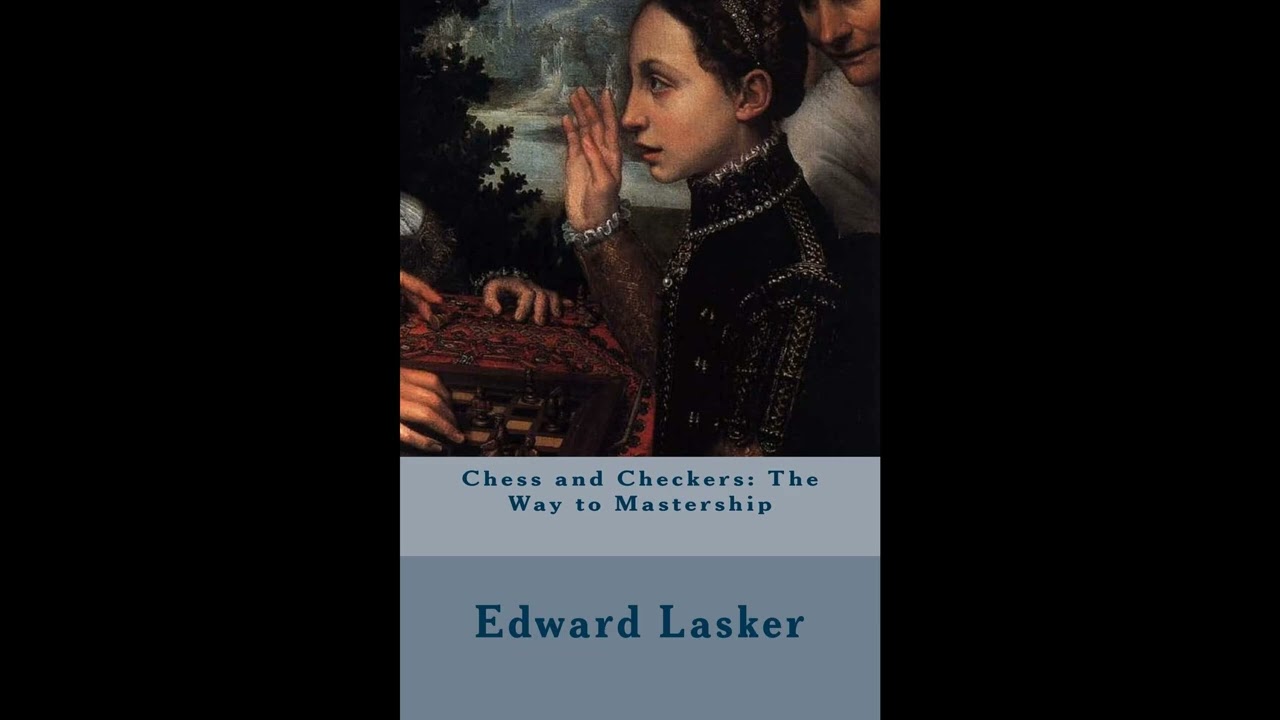
Chess and Checkers: The Way to Mastership
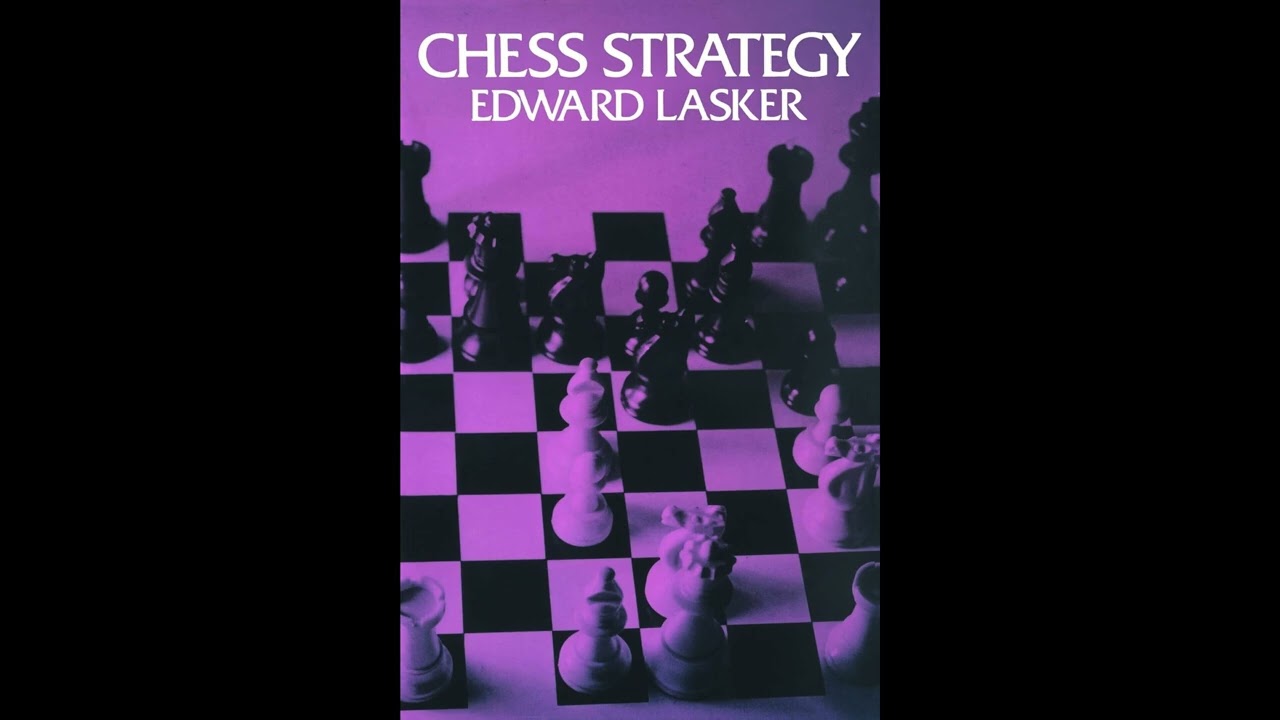
Edward Lasker’s "Chess and Checkers: The Way to Mastership" stands as an illuminating guide, one that transcends the simple instruction of board games to offer profound insights into the mechanics of strategic thinking itself. Far from being a mere rulebook, this volume presents a methodical approach to two of the world’s most enduring intellectual contests, demonstrating that the principles governing success at the checkered board are strikingly applicable to countless challenges in life. In an era saturated with information, where clear, systematic thought is more valuable than ever, Lasker’s work provides a grounding in logic, foresight, and pattern recognition that remains acutely relevant. It’s a call to sharpen the mind, to cultivate patience, and to develop a disciplined approach to problem-solving, making it an essential listen for anyone seeking to enhance their cognitive abilities, whether they ever move a pawn or not. The narrative arc of "Chess and Checkers: The Way to Mastership" is less a story of fictional characters and more the progression of an aspiring player from novice to potential expert, guided by Lasker’s clear exposition. The book establishes the setting as the 64 squares of the chessboard and checkerboard, each an arena for intellectual combat. The main "characters" are, in a sense, the pieces themselves—knights, bishops, kings, and pawns, each with their unique movements and strategic potential—as well as the unseen opponent and, most crucially, the listener’s own evolving mind. The central conflict is the eternal struggle to outwit an adversary, to identify their weaknesses, and to execute a plan that culminates in victory. Lasker’s method begins with the foundational rules of each game, ensuring a solid understanding before moving into more sophisticated territory. From this bedrock, the book meticulously builds a framework of strategic understanding. Listeners are introduced to opening principles in both chess and checkers, learning how to develop pieces efficiently, control the center of the board, and protect the king. Lasker then transitions into the intricacies of the middle game, where tactical skirmishes and positional considerations dominate. He clarifies concepts such as forks, pins, skewers, and discovered attacks, providing a vocabulary and a toolkit for navigating complex situations. The closing stages of each game, the endgame, receive their due attention, revealing how seemingly simple scenarios often hold the most profound strategic depth, demanding precision and calculation. Lasker’s genius lies in making these sophisticated ideas accessible, presenting them as a logical progression rather than a daunting collection of disparate facts, encouraging a mental ascent toward greater mastery without ever revealing the final, victorious move of any specific game, thereby preserving the listener’s own discovery process. Edward Lasker, born in Krotoschin, Prussia (now Poland) in 1885, was a towering figure whose intellect spanned both the scientific and strategic worlds. An accomplished industrial engineer by profession, he held patents for several inventions, including a breast pump and a mechanical pump for internal combustion engines, demonstrating a profound knack for practical innovation. Yet, it was his passion and prowess for chess that earned him international recognition. Lasker emigrated to the United States in 1914, quickly establishing himself as a formidable player in American chess circles. He participated in numerous significant tournaments, notably engaging in an exhibition match against the legendary José Raúl Capablanca in 1921, a testament to his high standing in the chess world. Beyond his playing career, Lasker solidified his place in history as an influential author. His books, including "Chess Strategy," "Chess for Fun and Chess for Blood," and "The Adventure of Chess," became cornerstones of chess literature. He possessed a unique ability to distill complex strategic ideas into clear, engaging prose, making the game’s profound beauty and logic accessible to a broad audience, from casual enthusiasts to serious students. Lasker’s writings played a crucial role in popularizing chess in the English-speaking world during the early to mid-20th century, cementing his legacy not just as a player, but as a pivotal educator who shaped how generations understood and approached the game. He passed away in New York City in 1981, leaving behind a legacy of innovation and intellectual generosity. The instruction within "Chess and Checkers: The Way to Mastership" enacts several core intellectual themes, none more central than strategic foresight. Lasker consistently emphasizes the necessity of looking several moves ahead, not merely reacting to the immediate position but anticipating an opponent's responses and planning accordingly. For instance, his discussion of pawn structures in chess illustrates how seemingly minor decisions about pawn advances or trades in the opening stages can drastically limit or expand future possibilities many moves down the line, requiring a player to visualize the long-term implications of each choice. A related theme is pattern recognition, the ability to identify recurring tactical motifs and apply established solutions. Lasker presents numerous examples of common checker traps or chess tactical sequences like forks and pins, guiding the listener to internalize these patterns so they can spot them quickly and efficiently in their own games, moving beyond brute-force calculation to intuitive understanding. Furthermore, the book champions discipline and patience, showing how impulsive moves or a lack of methodical thought can undermine even the most brilliant tactical visions. Lasker advises against premature attacks or the acceptance of tempting but unsound sacrifices, advocating instead for a controlled approach that prioritizes positional advantage and minimizing errors. This patient cultivation of an advantage, step by careful step, provides a concrete example of disciplined effort yielding results. Lastly, the work fosters adaptability and problem-solving, demonstrating that no single plan survives contact with the opponent entirely unchanged. Through various tactical puzzles and end-game scenarios, Lasker encourages the listener to think creatively, to adjust their strategy in response to unforeseen challenges, and to find ingenious solutions within the constraints of the board, reflecting a pragmatic approach to overcoming obstacles. When Edward Lasker’s seminal work emerged, the early 20th century was a period of significant cultural and intellectual ferment. The industrial revolution had transformed daily life, leading to an increasing appreciation for structured thought and efficiency, qualities directly reflected in the methodical approach to games like chess and checkers. There was a burgeoning public interest in self-improvement and intellectual pursuits, driving a demand for literature that could guide individuals toward greater mental acuity. Formal chess clubs and tournaments were growing in popularity, attracting new players eager to learn from masters. In this climate, Lasker’s clear, systematic instructional style resonated deeply. His work provided not just entertainment, but a tangible path to intellectual betterment, making complex strategic concepts accessible at a time when education and personal development were highly valued societal goals. It was a perfect storm of an author with a rare gift for explanation and a public hungry for precisely the kind of intellectual nourishment he offered. Listening to "Chess and Checkers: The Way to Mastership" as an audiobook offers a unique and highly effective way to absorb its lessons. A clear, articulate narration allows the listener to process intricate strategic concepts at a measured pace, much like a patient, personal mentor walking them through each principle. With a run length of several hours, the content is substantial yet digestible, perfect for integrating into daily routines—during commutes, while exercising, or simply as a dedicated learning session. The authoritative yet encouraging voice of the narrator brings Lasker’s instructional wisdom to life, transforming complex explanations into an engaging dialogue. This format is particularly advantageous for a book like this because it frees the listener’s hands and eyes, enabling them to visualize board positions mentally or even follow along with a physical chess or checkerboard, moving pieces to solidify their understanding as the narrator elucidates each strategic point. It’s an immersive experience that deepens comprehension and allows for the repeated exposure necessary for true mastery to begin.
Enjoyed Chess and Checkers: The Way to Mastership? A few ways to support us
Audible & Amazon links are affiliate; we may earn a small commission at no extra cost.
About this production
Human narration by a volunteer reader from LibriVox.org, the public-domain audiobook project. LibriVox volunteers record literary works whose copyright has expired in the United States, releasing the resulting recordings into the public domain.
Chess and Checkers: The Way to Mastership by Edward Lasker. The underlying text is in the U.S. public domain. We do not republish any modern copyrighted edition, translation, or commentary.
The 4K cinematic visuals accompanying this audiobook are generated by an AI image model from prompts derived from the source text. No copyrighted photos, paintings, or stock footage are used. AI generation is disclosed on every video on our YouTube channel as required by YouTube's altered/synthetic content policy.
English subtitles are transcribed from the LibriVox recording with OpenAI Whisper. Translations into the 11 other supported languages are produced by Meta's NLLB-200 neural translation model. No human translator's copyrighted translation is used.
Questions about sourcing or rights? See our DMCA & Sourcing policy or contact us.
Enjoyed this audiobook?
If you'd like to own a copy of Chess and Checkers: The Way to Mastership or hear a professionally produced edition, the links below help support free audiobook production at no extra cost to you.
As an Amazon Associate we earn from qualifying purchases. Audible / print links are affiliate.