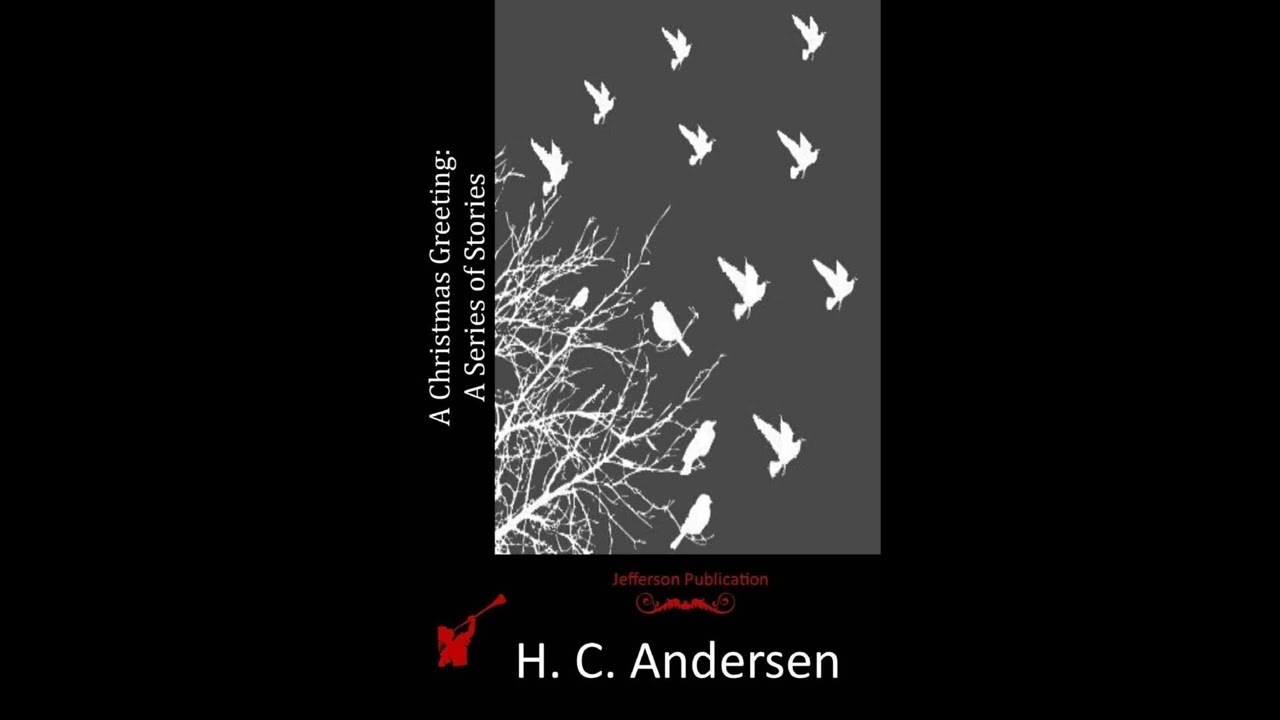
A Christmas Greeting: A Series of Stories
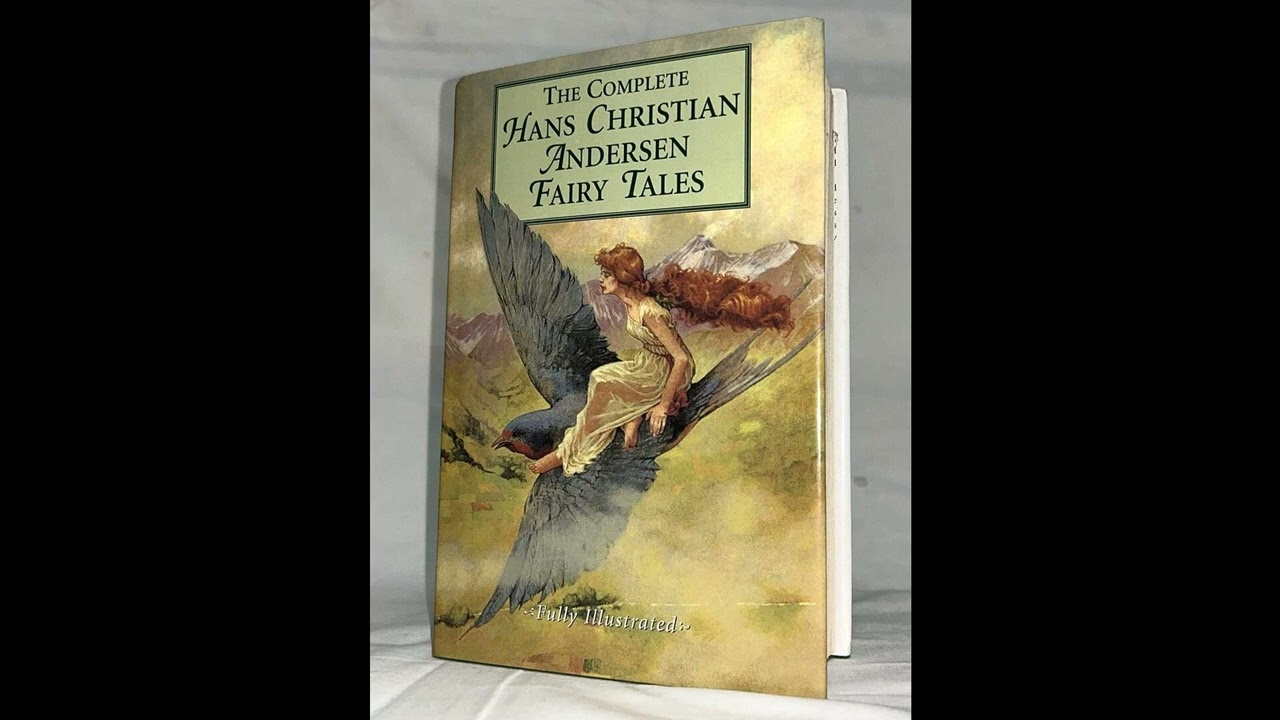
Step into a world where the ordinary glows with unexpected magic, and the spirit of the holidays transcends mere festivity to touch the very core of human experience. H. C. Andersen's "A Christmas Greeting: A Series of Stories" offers a collection that distills the essence of the season—its joy, its yearning, its quiet moments of reflection, and its profound capacity for hope. These narratives, drawn from the pen of one of literature's most beloved storytellers, continue to resonate today because they speak to universal truths about compassion, resilience, and the power of imagination, all wrapped in the enduring enchantment of Christmas. For anyone seeking comfort, wonder, or a gentle reminder of what truly matters amidst the rush of modern life, these tales provide a sanctuary of beauty and understanding. Within this series, listeners encounter a diverse array of settings and protagonists, each story painting a distinct miniature world. Some tales might transport us to snow-laden Danish villages, where the breath of winter hangs crisp in the air and the warm glow of hearths promises solace. Other narratives might unfold within the humble confines of a child's bedroom, where toys come alive with secret thoughts, or even within the vast, indifferent expanse of nature itself, where tiny creatures possess grand spirits. The characters are as varied as their environments: sometimes a small girl facing hardship with an unshakeable inner light, other times an inanimate object granted unexpected consciousness and a unique perspective on the human world, or perhaps a wise, ancient figure observing the annual cycle of giving and receiving. Each narrative, though self-contained, contributes to an overarching feeling of introspection and gentle wonder, characteristic of Andersen's signature style. The central threads often involve a quiet struggle against loneliness, poverty, or misunderstanding, or a simple longing for connection and warmth during the coldest time of the year. Characters frequently navigate a world that can feel indifferent or even harsh, yet they often find moments of profound beauty, unexpected kindness, or a sudden, clarifying insight into their own lives or the lives of others. The story arcs seldom rely on grand external conflicts; instead, they focus on internal transformations, small acts of generosity, or the way a shift in perception can illuminate the extraordinary within the seemingly ordinary. These are tales where the miracle isn't always a supernatural event, but rather the quiet blossoming of empathy, the strength of a hopeful heart, or the enduring belief in goodness. Listeners will find themselves drawn into these intimate worlds, experiencing the bittersweet beauty and subtle wisdom each story offers without ever revealing where their final moments might lead. The author, Hans Christian Andersen, born in Odense, Denmark in 1805, lived a life as compelling and at times as sorrowful as many of his own characters. The son of a shoemaker and a laundress, Andersen's early years were marked by poverty and a fervent imagination that found solace in storytelling and theater. His father instilled in him a love for books and the stage, but his untimely death left the family in dire straits. At the tender age of 14, Andersen ventured to Copenhagen, driven by an unshakeable belief in his artistic destiny, despite possessing little formal education or means. His initial attempts to gain fame as a singer, dancer, or actor met with failure and ridicule, yet his persistence eventually caught the attention of Jonas Collin, a director at the Royal Danish Theatre, who became his benefactor and arranged for his education. This period of intense study, though challenging for the older student, provided him with the literary foundations necessary for his later triumphs. Andersen's literary output was prodigious and varied, encompassing plays, novels, poetry, and travelogues. However, it was his fairy tales, first published in collected volumes starting in 1835, that secured his lasting international renown. Works like "The Little Mermaid," "The Ugly Duckling," "The Snow Queen," and "The Princess and the Pea" became instant classics, transforming the genre from simple retellings of folklore into original, deeply personal literary creations. Unlike the traditional fairy tales that often offered straightforward moral lessons, Andersen infused his stories with psychological depth, a keen observation of human nature, and a unique blend of melancholy, humor, and poetic beauty. He passed away in Copenhagen in 1875, having achieved the global recognition he had so passionately sought, leaving behind a body of work that continues to influence writers and captivate readers across generations and cultures. Many threads weave through Andersen's Christmas stories, reflecting his broader body of work. One powerful theme is the transformative power of compassion and simple kindness. Often, a character's bleak circumstances are lightened, or an unexpected revelation occurs, not through grand intervention, but through a small gesture of warmth or empathy from another. This is often shown through the lens of a child or a humble figure, demonstrating how even the smallest acts can ignite hope in the darkest of times. Another enduring theme is the beauty inherent in the overlooked and the ordinary. Andersen consistently elevated everyday objects—a tin soldier, a darning needle, a fir tree—giving them voices, feelings, and profound insights into the human condition. In "A Christmas Greeting," this might manifest as the profound wisdom found in a simple ornament, or the extraordinary life of a forgotten toy, showing how worth and wonder exist independently of outward grandeur. A third central idea found within these narratives is the fragility and resilience of hope. Many of Andersen's characters face considerable adversity, from poverty and loneliness to the indifference of a bustling world, yet a flicker of hope or an unwavering spirit often persists. This resilience is often intertwined with the idea of inner beauty and true worth, which he frequently contrasts with superficial appearances or societal judgments. His stories subtly suggest that true value resides not in status or wealth, but in kindness, integrity, and the capacity for love and imagination. These narratives, presented as a "Christmas Greeting," serve as gentle reminders that even in winter's chill, the human heart possesses an extraordinary capacity for warmth and the spirit to endure, often illuminated by the special magic of the season. The mid-nineteenth century, the period during which Hans Christian Andersen produced the bulk of his most celebrated work, was a time of significant cultural and societal change across Europe. It marked a flourishing of Romanticism, a movement that emphasized emotion, individualism, and the glorification of nature and the past, particularly national folklore. In Denmark, as in other parts of Europe, there was a growing interest in collecting and preserving traditional folk tales, as exemplified by the Brothers Grimm in Germany. However, Andersen distinguished himself by creating original literary fairy tales, crafting new narratives that drew on universal human experiences rather than simply retelling ancient myths. This era also saw a gradual shift in the perception of childhood, moving from a view of children as miniature adults to recognizing their unique developmental stage and the importance of imaginative play. Furthermore, Christmas itself was undergoing a cultural evolution during this period, particularly in the Nordic countries and across the Western world. What had once been primarily a religious observance began to incorporate more secular traditions, focusing on family gatherings, gift-giving, and the creation of festive atmosphere—many of which we recognize today. The popularization of the Christmas tree, the exchange of cards, and the rise of caroling all contributed to a growing cultural phenomenon centered around warmth, generosity, and domestic bliss. Andersen's Christmas stories emerged into this landscape, tapping into both the older spiritual resonance of the season and its newer, more intimate cultural expressions. His ability to weave universal themes of human struggle and triumph with the nascent, beloved traditions of Christmas ensured that his tales quickly found a cherished place in homes during the festive season, offering both comfort and gentle introspection. Listening to "A Christmas Greeting: A Series of Stories" as an audiobook offers an experience perfectly suited to the intimate and reflective nature of Andersen's narratives. The human voice of the narrator acts as a direct conduit to the author's world, bringing each character to life with subtle inflections and emotional depth that printed words alone cannot always convey. With a run length of several hours, this collection is ideal for a variety of listening occasions: perhaps a sustained session by a crackling fire, a quiet hour during a snowy afternoon, or even as a soothing accompaniment during holiday preparations. Listen for the narrator's pacing, which often mirrors the gentle, sometimes melancholic, rhythm of Andersen's prose, allowing moments of wonder to unfold naturally. Pay attention to how different voices distinguish characters, from the innocent musings of a child to the wry observations of an animated object. The narration creates an immersive atmosphere, drawing you into the delicate balance of joy and sorrow, the mundane and the magical, that define Andersen's distinctive approach to storytelling, making this a truly cherished listening experience.
Enjoyed A Christmas Greeting: A Series of Stories? A few ways to support us
Audible & Amazon links are affiliate; we may earn a small commission at no extra cost.
About this production
Human narration by a volunteer reader from LibriVox.org, the public-domain audiobook project. LibriVox volunteers record literary works whose copyright has expired in the United States, releasing the resulting recordings into the public domain.
A Christmas Greeting: A Series of Stories by Hans Christian Andersen. The underlying text is in the U.S. public domain. We do not republish any modern copyrighted edition, translation, or commentary.
The 4K cinematic visuals accompanying this audiobook are generated by an AI image model from prompts derived from the source text. No copyrighted photos, paintings, or stock footage are used. AI generation is disclosed on every video on our YouTube channel as required by YouTube's altered/synthetic content policy.
English subtitles are transcribed from the LibriVox recording with OpenAI Whisper. Translations into the 11 other supported languages are produced by Meta's NLLB-200 neural translation model. No human translator's copyrighted translation is used.
Questions about sourcing or rights? See our DMCA & Sourcing policy or contact us.
View 10 famous quotes from this book →
Enjoyed this audiobook?
If you'd like to own a copy of A Christmas Greeting: A Series of Stories or hear a professionally produced edition, the links below help support free audiobook production at no extra cost to you.
As an Amazon Associate we earn from qualifying purchases. Audible / print links are affiliate.