About Wilkie Collins
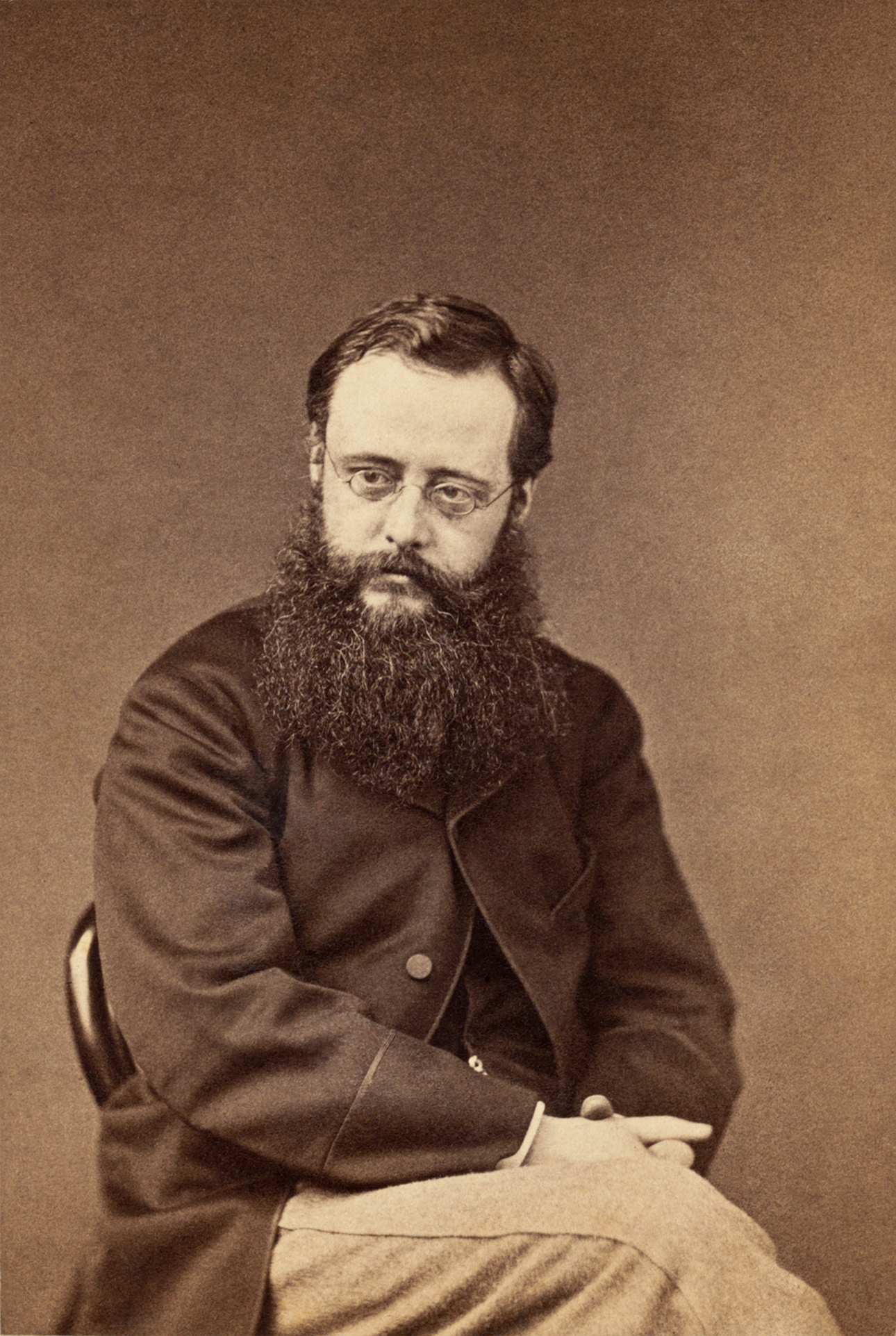
Among the most innovative storytellers of the Victorian era was William Wilkie Collins. Born in London on January 8, 1824, the son of a celebrated landscape painter, Collins spent much of his youth traveling across Europe, gaining fluency in French and Italian. This early exposure to different cultures shaped his broad perspective, even as he endured a brief, unhappy stint as a tea merchant's apprentice. Though called to the bar in 1851 after studying law, he never practiced, instead pursuing the literary inclinations that would define his life. He would live out his days in London, dying there on September 23, 1889.
Collins stepped into a publishing world eager for new voices, particularly as magazine serials gained immense popularity. His first published novel, *Antonina; or, The Fall of Rome* (1850), offered a historical epic, but it was *Basil* (1852) that marked a significant shift, hinting at the intense psychological drama and social critique that would become his hallmark. A crucial friendship with Charles Dickens, forged in 1851, brought Collins into the fold of *Household Words* and later *All the Year Round*, where many of his most celebrated works first appeared, published weekly to eager readers. This serialization process honed his ability to craft cliffhangers and sustain suspense over many installments.
Collins quickly mastered the art of the sensation novel, weaving elaborate plots around domestic secrets and societal transgressions. His groundbreaking novel *The Woman in White* (1860) spun a complex tale of mistaken identity, abduction, and inheritance, revealing the precarious legal standing of Victorian women. He followed this with *No Name* (1862), which charted two disinherited sisters’ determined fight to reclaim their rightful place in society, and *Armadale* (1866), a gripping narrative of inherited rivalry and a woman’s manipulative schemes. His undisputed triumph in the realm of mystery arrived with *The Moonstone* (1868), widely regarded as the first true English detective novel, centering on the theft of a valuable Indian diamond and the subsequent investigation. Later, *The Law and the Lady* (1875) presented a compelling story of a woman investigating her husband's past to clear his name.
Collins's unique literary style relied heavily on meticulously constructed plots, often delivered through multiple, sometimes conflicting, narrative voices—letters, diaries, and legal testimonies—to create a sense of unfolding truth, much like a courtroom drama. He possessed a keen eye for the often-hidden injustices of his era, particularly those affecting women regarding property, marriage, and legal rights. Recurring themes included the destructive power of secrets, the fluidity of identity, the fallibility of appearances, and the moral ambiguities lurking beneath polite society. *The Woman in White* provides a vivid example, where the various accounts of different characters create a dense web of suspicion and half-truths, exposing how easily a woman could be stripped of her identity and rights under existing laws.
Wilkie Collins remains a pivotal figure, recognized as a primary architect of the sensation novel, which captivated Victorian audiences with its blend of melodrama, suspense, and social commentary. His innovation in using investigative methods and a professional detective figure in *The Moonstone* set the template for the modern detective story, profoundly influencing subsequent generations of mystery writers. He demonstrated how fiction could scrutinize social issues while maintaining a thrilling, page-turning narrative. His influence extends to psychological thrillers and legal dramas, genres that owe much to his pioneering techniques for building suspense and revealing hidden truths.
Today, listeners can uncover the same intricate plots and chilling suspense that captivated readers over a century ago, experiencing Wilkie Collins's enduring genius as his stories unfold in their ears.
More on Wikipedia →