About John Burroughs
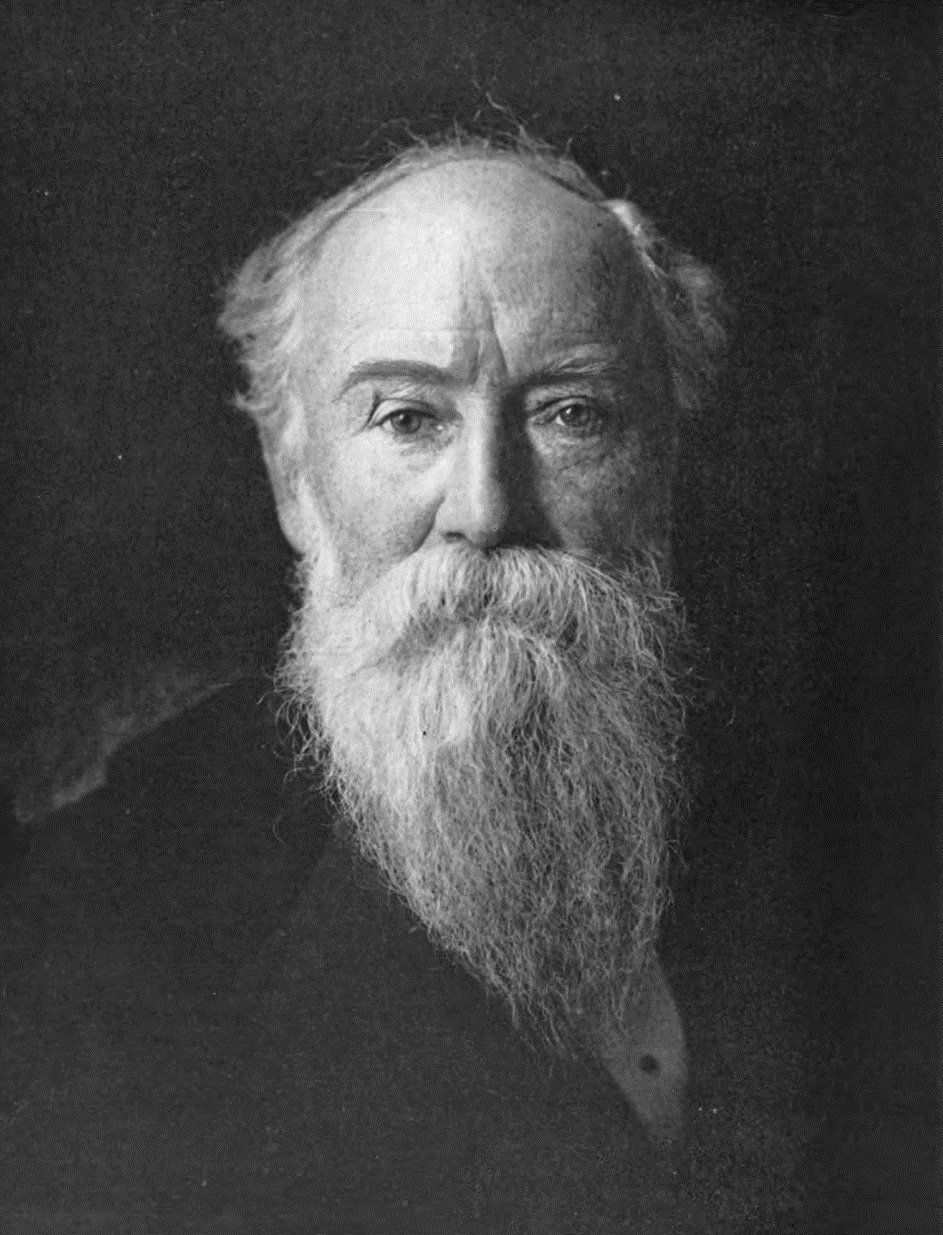
A profound observer of the natural world, John Burroughs was born on April 3, 1837, in Roxbury, New York, and passed away on March 29, 1921, near Kingston, New York. Growing up on a secluded farm in the Catskill Mountains, his youth was shaped by the rhythms of rural life and the natural landscape. Though formal schooling was brief and intermittent, Burroughs possessed a powerful thirst for knowledge, educating himself extensively through books and diligent observation of his surroundings. After a short period as a teacher, he moved to Washington, D.C., working as a clerk in the Treasury Department—a position that provided him with the financial stability and leisure time to pursue his true calling.
Burroughs's literary career began to flourish in the late 1860s, drawing inspiration from the American Transcendentalists, particularly Ralph Waldo Emerson and Henry David Thoreau, whose writings encouraged a deeper connection with nature. He found an early platform for his distinct voice in prestigious publications like *The Atlantic Monthly*, where his essays on birds quickly garnered attention. His first significant collection, *Wake-Robin*, published in 1871, marked his arrival as a prominent nature writer, setting the stage for a prolific career that would span five decades and redefine the genre.
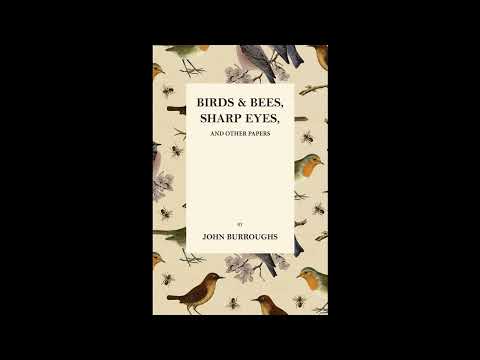
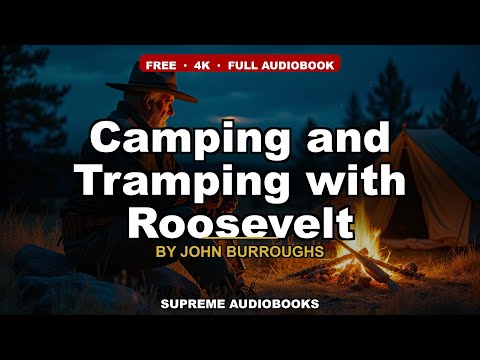
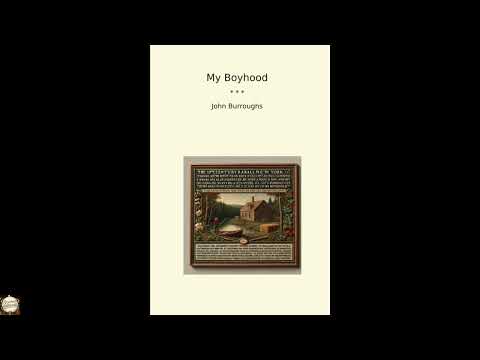
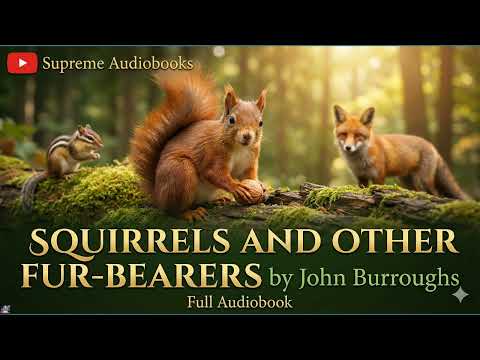
Over his long and celebrated career, Burroughs authored more than two dozen books, each offering intimate glimpses into the natural world. *Wake-Robin* gathered his early, lyrical essays on birdlife and the changing seasons. *Birds and Bees*, often published with "Sharp Eyes, and Other Papers," presented accessible observations of common creatures and natural phenomena, aimed at a broad audience. In *Pepacton*, he reflected on the quiet beauty of the Catskill region he so loved. His keen eye for animal behavior shone in *Squirrels and Other Fur-Bearers*, detailing the lives of familiar forest inhabitants. Later in life, *Camping and Tramping with Roosevelt* recounted his adventures in the wilderness with President Theodore Roosevelt, while his posthumously published *My Boyhood* offered nostalgic reflections on his formative years.
Burroughs’s writing style is characterized by its clarity, simplicity, and unpretentious charm. He possessed an extraordinary capacity for patient observation, recording minute details of flora and fauna with a scientist's precision yet expressing them with a poet’s sensibility. A recurring theme across his work is the belief that genuine understanding of nature stems from direct, personal experience, emphasizing the spiritual and restorative power of the outdoors. For instance, his repeated return to the same stream or woodland in his essays, observing subtle shifts in light, sound, and animal activity, demonstrates his conviction that profound insights arise from persistent, loving attention to the seemingly ordinary. He encouraged readers to find wonder not in distant, exotic locales, but in the familiar fields and woods outside their doors.
John Burroughs holds a unique and influential place in American literary history. He served as a crucial bridge between the Transcendentalist nature writers of the mid-19th century and the emerging conservation movement of the early 20th century. While he lacked Thoreau's philosophical intensity, Burroughs’s accessible and engaging prose popularized nature study for millions, inspiring countless readers to cultivate a deeper appreciation for the environment. His work helped shape the genre of nature writing, influencing subsequent generations of naturalists and environmental advocates by validating the personal essay as a means of communicating scientific observation and ecological reverence. Today, his words continue to invite listeners to pause and find joy in the enduring beauty of the natural world, available now as free audiobooks.
More on Wikipedia →