About David Christie Murray
A prolific voice from the close of the Victorian era, David Christie Murray, born on April 13, 1847, in West Bromwich, Staffordshire, England, and who passed away on August 1, 1907, in Hampstead, London, carved out a significant, if sometimes overlooked, place in late 19th-century English literature. His career, spanning journalism, war correspondence, and novel writing, showcases a restless intellect and a keen observer of human nature.
Murray’s early life began in the industrial heartland of England, the son of a manufacturer. His education, though formal, instilled in him less of a conventional academic path and more a sense of observation and a desire to tell stories. He found his initial calling in the dynamic world of journalism, working as a reporter for Birmingham and London newspapers before gaining wider recognition as a war correspondent for *The Times* during the Russo-Turkish War. This experience on the front lines undoubtedly sharpened his narrative skills and gave him a broader perspective on life’s dramas.
His transition to fiction writing came in the late 1870s, at a time when the publishing world was thriving on serialisation and the increasing demand for popular novels. Murray quickly adapted to this environment, producing a steady stream of works that resonated with contemporary readers. His first significant novel, *A Life's Atonement*, published in 1879, established him as a writer capable of crafting compelling plots focused on moral dilemmas and societal pressures, immediately finding an audience appreciative of his storytelling prowess.
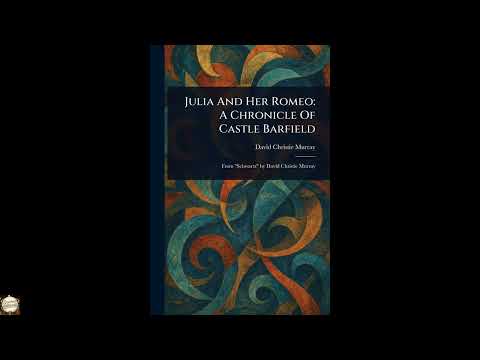
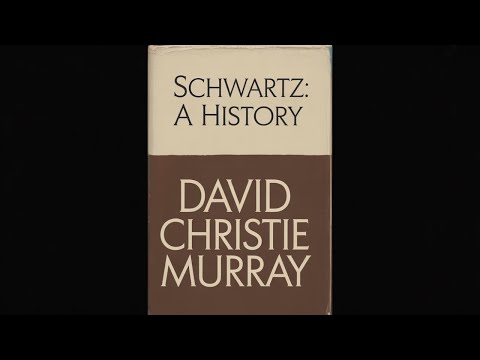
Throughout his prolific career, Murray produced a diverse collection of novels and critical writings. Among his most notable works is *Joseph's Coat* (1881), a narrative of sibling rivalry and deception set against a provincial English backdrop. He also penned *Aunt Rachel* (1886), a charming rustic romance depicting life in the Black Country with authentic detail. Later, he showcased his versatility with *Schwartz: A History From Schwartz* (1896), an inventive and humorous tale told from the perspective of a dog. *In Direct Peril* (1899) offers a thrilling narrative of suspense and danger, while *Julia And Her Romeo: A Chronicle Of Castle Barfield* (1897) provides a romantic drama. His non-fiction observations on the literary scene were collected in *My Contemporaries in Fiction* (1897), which presents candid assessments of his peers.
Murray's writing style is characterized by its clear prose, strong character development, and a remarkable ability to blend various genres. He often presented themes of justice, social class, individual morality, and the consequences of one's actions. He possessed a particular skill for rendering dialect and local color, bringing his settings to life. For instance, in *Aunt Rachel*, his keen ear for the regional speech of the Black Country and his vivid portrayal of its inhabitants lend the narrative a grounded authenticity. He had a knack for creating situations that test his characters, revealing their strengths and flaws with genuine human insight.
David Christie Murray occupied a firm position in the literary output of his time, standing as a significant figure who bridged the gap between the traditional Victorian novel and the emerging realism of the turn of the century. Though perhaps less celebrated today than some of his more canonical contemporaries, his work remains a valuable record of the social mores and storytelling preferences of his era, influencing many through his prolific output and diverse narrative approaches. His stories, filled with engaging characters and compelling plots, continue to offer insight into the human condition, inviting new generations of listeners to experience the enduring power of his narratives as free audiobooks.
More on Wikipedia →