The Red Flower: Poems Written in War Time
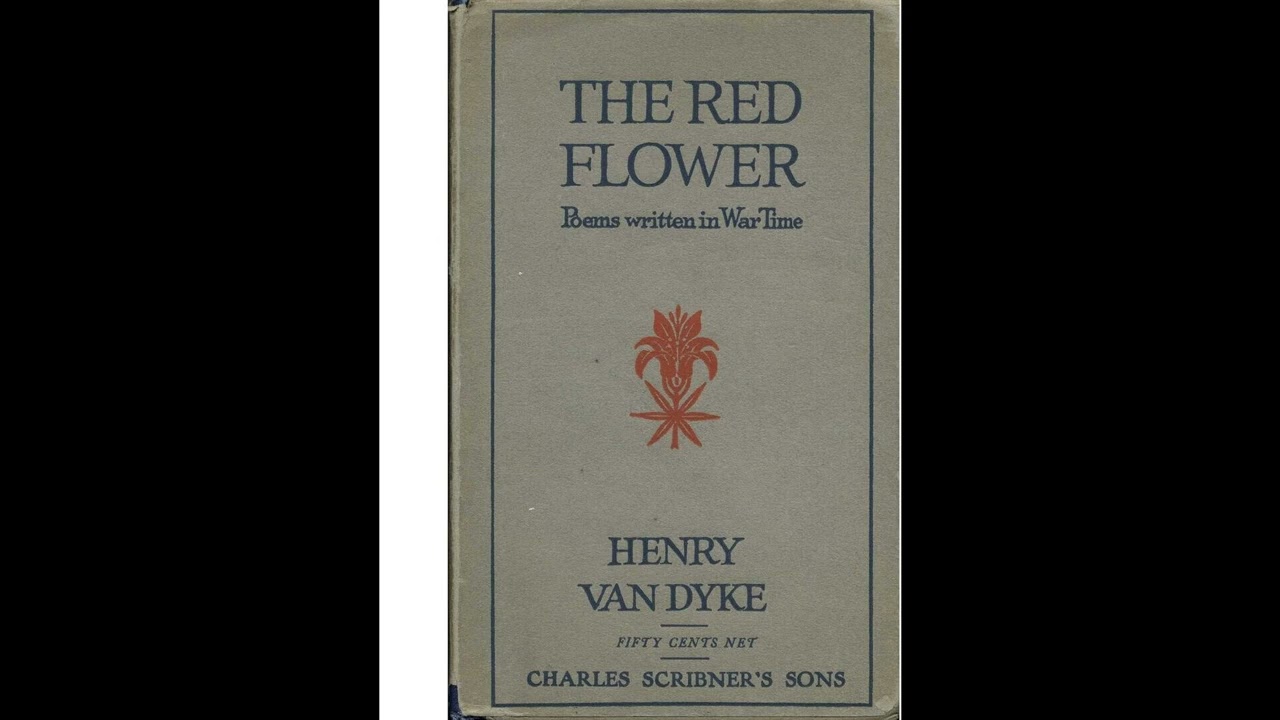
"The Red Flower: Poems Written in War Time" offers a piercing, unvarnished look into the crucible of human conflict, a collection of verses that transcends the boundaries of any specific historical battle or named author. This powerful anthology is a testament to the enduring human spirit amidst the devastation of war, giving voice to the myriad experiences of those caught in its unforgiving embrace. It is a work that reminds us that while the uniforms, weapons, and battlefields may change across centuries, the fundamental emotions—the fear, the loss, the camaraderie, the yearning for peace—remain tragically constant. Listening to these poems today is not merely an act of historical reflection, but a profound encounter with the universal truths of suffering and resilience that continue to echo in our world. As a collection of poems, "The Red Flower" guides the listener through a landscape scarred by conflict, not with a single narrative voice, but through a chorus of individual yet interconnected perspectives. The arc begins often with the stark reality of the front line itself—the mud-choked trenches, the desolate expanses, the deafening roar of artillery. We encounter soldiers grappling with fear and duty, facing moments of stark terror and quiet heroism. The poems often paint vivid, almost sensory pictures of daily existence under arms: the cold nights, the meager rations, the constant threat that hangs in the air, transforming the world into a place of heightened senses and raw emotion. The collection then expands its view beyond the immediate theater of battle, encompassing the profound impact of war on those left behind and those who bear witness. Poems shift focus to the home front, capturing the anxieties of loved ones, the silent vigil of wives and mothers, and the children who grow up in the shadow of distant conflict. There are verses that speak to the profound sense of loss, the unfillable void left by fallen comrades, and the heavy burden of memory carried by survivors. Through these shifting lenses, "The Red Flower" builds a composite picture of war, not as a glorious endeavor, but as a grinding, transformative experience that reshapes individuals and societies alike, leaving an indelible mark long after the fighting ceases. The authorship of "The Red Flower" remains a mystery, designated simply as "Unknown." This anonymity, far from diminishing the work, instead amplifies its profound power and universality. It suggests that these are not the polished declarations of a celebrated literary figure, but rather the urgent, often raw, expressions of countless individuals who lived through—or bore the brunt of—war. This collection stands as a monument to the collective experience, a voice for the many who may have scribbled lines on scraps of paper in the quiet moments between battles, or penned their sorrowful reflections in letters home, without ever intending for their words to be preserved for posterity. This "Unknown" author represents the uncounted poets, soldiers, nurses, civilians, and families whose voices might otherwise be lost to history. The poems emerge from a tradition of direct expression, where the act of writing becomes a necessary means of processing trauma, expressing grief, finding solace, or simply bearing witness to unspeakable events. It places "The Red Flower" outside the confines of a single literary movement or individual genius, positioning it instead as a document of human resilience, a testament to the innate need to articulate the deepest fears and hopes even in the most dire circumstances. It is a foundational work in the sense that it embodies the very essence of human response to conflict. The collection enacts several key themes with striking clarity. One pervasive theme is the devastating reality of loss and grief. Many poems speak with aching honesty about fallen comrades—not as abstract figures, but as remembered individuals, their laughter or courage recalled even as their absence is deeply felt. One poem might describe a soldier finding a small, personal item on the battlefield, evoking a poignant image of a life abruptly ended. Another depicts the quiet despair of a woman receiving the dreaded news, the world shrinking around her as she comprehends her future without a loved one. Another powerful theme is the complex nature of courage and camaraderie. While war is often brutal, these verses also illuminate moments of profound human connection and selfless bravery. Poems might detail soldiers sharing the last of their rations, risking their lives for one another, or simply offering a quiet word of comfort in the face of overwhelming odds. These are not grand, heroic pronouncements, but small, personal acts that speak to the resilience of the human bond under extreme pressure, highlighting the ways in which shared hardship can forge unbreakable connections, even amid the chaos and despair of the battlefield. The emergence of "The Red Flower: Poems Written in War Time" speaks to a perennial human impulse that predates any specific literary period—the need to articulate the experience of conflict through verse. While we cannot pinpoint a precise cultural or political moment for its creation given the absence of a publication year, we can understand it within the broader tradition of war poetry, which has existed since antiquity. Such works emerge when societies are plunged into conflict, whether to rally a populace, to mourn the fallen, to protest the futility of violence, or simply to make sense of the incomprehensible. These anonymous verses stand as a stark reminder that throughout history, ordinary people, not just celebrated bards or intellectuals, have turned to poetry as a fundamental means of expression during times of great upheaval. The raw honesty and emotional directness often found in anonymous war poetry stand in contrast to more formalized literary traditions, speaking to an urgency born of immediate experience. It represents a recurring phenomenon in the human story: when life becomes most precarious, the urge to capture its essence, its pain, and its fleeting moments of beauty in language, becomes most vital. Listening to "The Red Flower" as an audiobook offers an immersive experience that deepens the listener's connection to the material. The poems, ranging over several hours of listening time, allow for a sustained engagement with the emotional landscape of war. The narrator's voice becomes the conduit for these anonymous voices, bringing to life the cadence and rhythm of each verse, underscoring the pathos, the anger, or the quiet hope embedded within the lines. The thoughtful pacing allows the weight of each image and sentiment to settle, giving the listener space for reflection. To hear these words spoken aloud, rather than simply read on a page, evokes the ancient oral tradition of storytelling and remembrance, transforming what could be a solitary reading experience into a shared moment of profound contemplation. The spoken word allows the atmosphere of each poem—whether it's the stark silence of a battlefield aftermath or the tender memory of a loved one—to envelop the listener, creating an intimate connection to the enduring human story within these powerful verses.
Enjoyed The Red Flower: Poems Written in War Time? A few ways to support us
Audible & Amazon links are affiliate; we may earn a small commission at no extra cost.
About this production
Human narration by a volunteer reader from LibriVox.org, the public-domain audiobook project. LibriVox volunteers record literary works whose copyright has expired in the United States, releasing the resulting recordings into the public domain.
The Red Flower: Poems Written in War Time. The underlying text is in the U.S. public domain. We do not republish any modern copyrighted edition, translation, or commentary.
The 4K cinematic visuals accompanying this audiobook are generated by an AI image model from prompts derived from the source text. No copyrighted photos, paintings, or stock footage are used. AI generation is disclosed on every video on our YouTube channel as required by YouTube's altered/synthetic content policy.
English subtitles are transcribed from the LibriVox recording with OpenAI Whisper. Translations into the 11 other supported languages are produced by Meta's NLLB-200 neural translation model. No human translator's copyrighted translation is used.
Questions about sourcing or rights? See our DMCA & Sourcing policy or contact us.
Enjoyed this audiobook?
If you'd like to own a copy of The Red Flower: Poems Written in War Time or hear a professionally produced edition, the links below help support free audiobook production at no extra cost to you.
As an Amazon Associate we earn from qualifying purchases. Audible / print links are affiliate.
More by Unknown
Brown Wolf and Other Jack London Stories - Chosen and Edited By Franklin K. Mathiews- Full Audiobook
Sir John Constantine Memoirs of His Adventures At Home and Abroad and Particularly
Rural Architecture: Being A Complete Description Of Farm Houses, Cottages, And Out