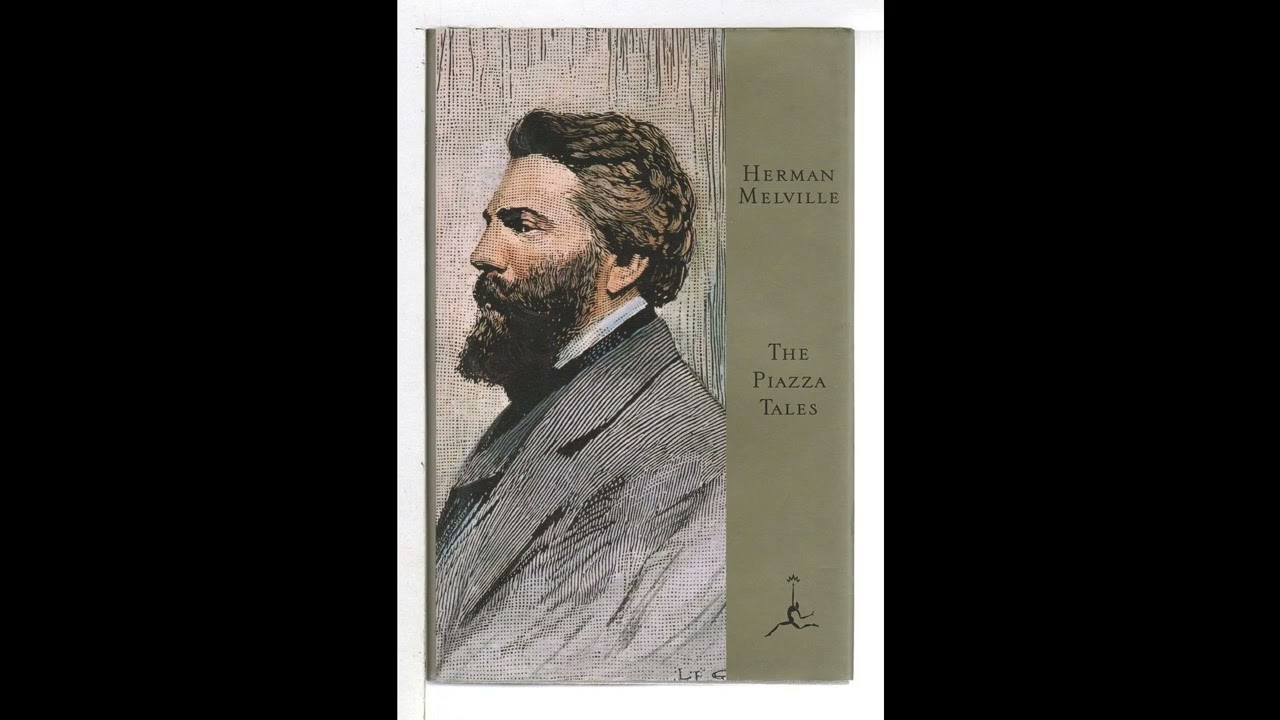
The Piazza Tales
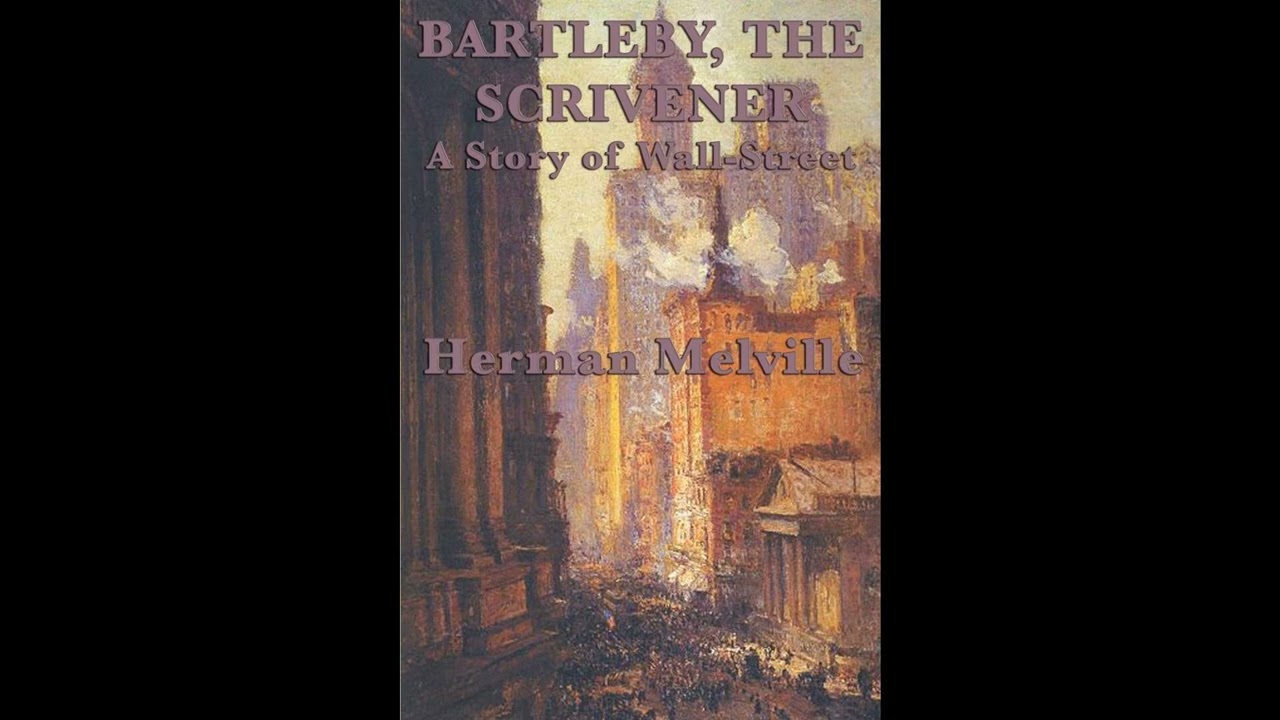
Herman Melville’s The Piazza Tales offers a fascinating window into the mind of one of America’s most profound and challenging writers, presenting a collection of short fiction that emerged from a pivotal, often difficult, period in his career. Published in 1856, these stories represent Melville’s attempt to reach a broader audience after the lukewarm reception of his grander, more philosophical novels like Moby Dick and Pierre. Far from being mere trifles, these tales distil his signature preoccupations—the elusive nature of truth, the isolating vastness of the American landscape, and the often-grim realities of human experience—into compact, potent narratives. They are a necessary listen for anyone seeking to understand the breadth of Melville's genius, revealing him not just as an epic poet of the sea, but as a master of psychological depth and social commentary whose insights remain startlingly relevant in an age still grappling with alienation, perception, and the search for meaning in a complex world. This collection begins with the titular framing story, "The Piazza," where Melville, from his own Pittsfield farmhouse, gazes out upon the distant Berkshire hills, imagining a "fairy land" cabin he eventually seeks out. This quest for an idealized vision sets the stage for the collection’s overarching concern with the gap between appearance and reality. We then encounter the unforgettable "Bartleby, the Scrivener," a quiet yet revolutionary tale set in the bustling, impersonal world of Wall Street. A successful, elderly lawyer hires Bartleby, a copyist whose peculiar, passive resistance—expressed through his iconic phrase, "I would prefer not to"—slowly disrupts the firm and challenges the lawyer’s understanding of compassion and human connection, culminating in a poignant struggle against urban indifference. Moving from the cramped confines of a New York law office to the open sea, "Benito Cereno" plunges us into a chilling nautical mystery. An American ship captain, Amasa Delano, encounters a Spanish slave ship, the San Dominick, whose captain, Don Benito Cereno, appears to be suffering from a strange illness and a peculiar relationship with his loyal servant, Babo. What unfolds is a prolonged, suspenseful game of observation and misdirection, as Delano struggles to make sense of the unsettling atmosphere, the strained interactions, and the subtle clues hinting at a terrible truth hidden beneath a carefully constructed facade. Further stories transport us to the desolate, volcanic "Encantadas, or Enchanted Isles" (the Galápagos), presented as a series of sketches depicting the harsh, isolating landscape and the strange lives of its human and animal inhabitants, and to a Renaissance-era Italian city for "The Bell-Tower," where a proud artisan's ambition to create a perfect, automated figure for his bell tower leads to unforeseen and tragic consequences. Herman Melville, born in New York City in 1819, experienced a childhood of relative comfort that dissolved into financial hardship after his father’s death. This turn of fortune propelled him into a life of labor, most notably as a sailor, where he spent formative years whaling in the Pacific and living among indigenous peoples in the South Seas. These adventures fueled his initial literary successes, Typee (1846) and Omoo (1847), semi-autobiographical accounts that captivated readers with their exotic settings and thrilling narratives. However, Melville’s restless intellect soon led him beyond mere adventure, pushing him to probe deeper philosophical and psychological questions in his subsequent works. The pivotal year 1851 saw the publication of Moby Dick, a sprawling epic of obsession and the whaling industry that, despite its artistic brilliance, failed to garner significant public recognition during his lifetime. The following years were marked by critical misunderstanding and dwindling financial resources. Melville continued to produce ambitious novels like Pierre, but these only further alienated his audience. The Piazza Tales, published in 1856, represents a strategic shift toward shorter fiction, yet it bears the undeniable stamp of his unique vision. He subsequently worked as a customs inspector in New York City for nearly two decades, finding solace in poetry, and left behind the stunning novella Billy Budd, which was only discovered and published posthumously. Melville’s profound originality and dark insights secured his place in the American literary canon long after his death in 1891, recognizing him as a foundational figure in American Romanticism, often categorized as Dark Romanticism for its emphasis on human fallibility and the pervasive presence of evil. The stories in The Piazza Tales showcase Melville's preoccupation with several enduring themes. Foremost among these is the theme of appearance versus reality, often depicted with a keen sense of irony. In "Benito Cereno," for example, the entire narrative hinges on Captain Delano’s inability to discern the true state of affairs on the San Dominick, mistaking the meticulous orchestration of a rebellion for a scene of sickness and distress. Even the titular "Piazza" story begins with Melville's romanticized view of a distant cottage, only for him to find a stark, isolated reality upon visiting it, highlighting how readily human perception can construct comforting fictions. Another prominent theme is isolation and alienation, which resonates deeply through several tales. "Bartleby, the Scrivener" offers a stark portrayal of an individual who systematically withdraws from society, preferring not to engage with the world, ultimately dying in the solitude of a prison. This passive refusal creates an unsettling alienation not only for Bartleby but also for the lawyer who attempts, and fails, to understand or save him. Similarly, "The Encantadas" presents a landscape of profound desolation where human figures are often solitary and struggling, mirroring the spiritual isolation of souls adrift in an indifferent cosmos. Melville also consistently examines the destructive nature of human pride and ambition, vividly illustrated in "The Bell-Tower," where Bannadonna's singular obsession with creating a perfectly autonomous mechanism leads to a catastrophic loss of control and his own demise, a chilling testament to hubris. The Piazza Tales emerged during a period of significant transition in America and in Melville’s personal career. The mid-1850s were fraught with growing tensions over slavery, a shadow that profoundly informs the racial dynamics and power inversions depicted in "Benito Cereno." Industrialization was rapidly changing urban centers, contributing to the sense of anonymity and impersonal forces at play in stories like "Bartleby, the Scrivener." For Melville himself, this collection represented a crucial pivot. Following the commercial failures of his more ambitious novels, he sought to engage readers with shorter, more accessible forms, hoping to regain some financial stability and popular appeal. While these stories are indeed more concise, they are anything but simplistic, serving as concentrated expressions of the same profound philosophical inquiries that characterized his grander works. They demonstrate his persistent engagement with the darker currents beneath American optimism, even as he attempted to cater to the popular tastes of the day. Listening to The Piazza Tales as an audiobook transforms the experience, allowing Melville’s carefully crafted prose and diverse narratives to unfold through the power of vocal performance. A skilled narrator can bring out the distinct voices and atmospheres of each story—the lawyer’s bewildered yet compassionate tone in "Bartleby," the mounting tension and deceptive calm in "Benito Cereno," or the meditative, descriptive quality of "The Encantadas." The run length, several hours in total, is ideal for absorbing these distinct yet thematically linked narratives at a comfortable pace. It offers an opportunity to truly savor Melville’s language, his sometimes dense philosophical musings, and his acute psychological insights, making it a perfect companion for commutes, thoughtful walks, or quiet evenings, inviting a deeper connection with these enduring works of American literature.
Enjoyed The Piazza Tales? A few ways to support us
Audible & Amazon links are affiliate; we may earn a small commission at no extra cost.
About this production
Human narration by a volunteer reader from LibriVox.org, the public-domain audiobook project. LibriVox volunteers record literary works whose copyright has expired in the United States, releasing the resulting recordings into the public domain.
The Piazza Tales by Herman Melville. The underlying text is in the U.S. public domain. We do not republish any modern copyrighted edition, translation, or commentary.
The 4K cinematic visuals accompanying this audiobook are generated by an AI image model from prompts derived from the source text. No copyrighted photos, paintings, or stock footage are used. AI generation is disclosed on every video on our YouTube channel as required by YouTube's altered/synthetic content policy.
English subtitles are transcribed from the LibriVox recording with OpenAI Whisper. Translations into the 11 other supported languages are produced by Meta's NLLB-200 neural translation model. No human translator's copyrighted translation is used.
Questions about sourcing or rights? See our DMCA & Sourcing policy or contact us.
Enjoyed this audiobook?
If you'd like to own a copy of The Piazza Tales or hear a professionally produced edition, the links below help support free audiobook production at no extra cost to you.
As an Amazon Associate we earn from qualifying purchases. Audible / print links are affiliate.