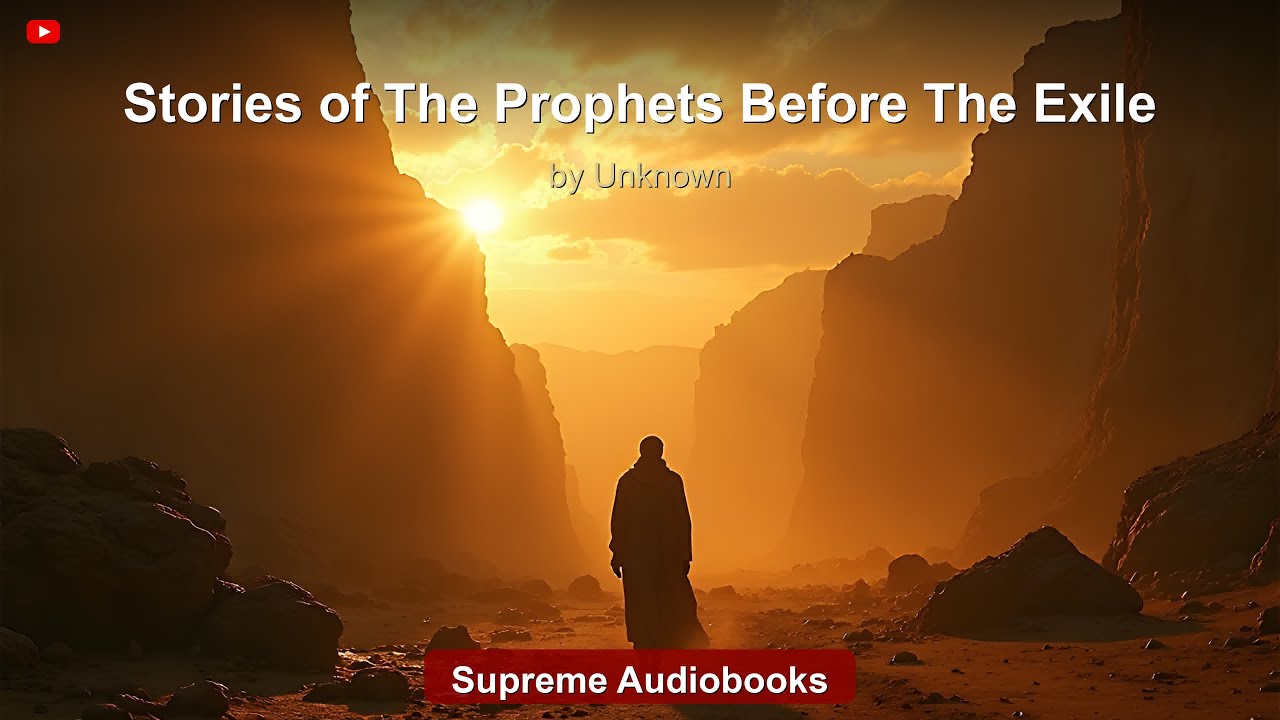
Stories of The Prophets Before The Exile
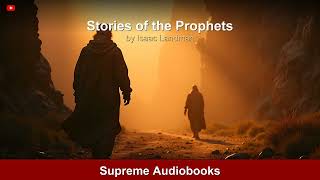
The human longing for meaning, for justice, and for a voice that speaks truth to power finds profound resonance in Stories of The Prophets Before The Exile. This collection transports listeners to a foundational era of Western civilization, a time when the very concept of divine revelation was being articulated through figures who stood against the tide of their societies. These narratives are more than ancient history; they are a direct engagement with enduring questions of ethics, faith, and the often-uncomfortable demands of conscience. What does it mean to stand alone, to deliver an unpopular message, or to call a people to account? These are the dilemmas faced by men whose words echo through millennia, offering not just historical insight, but a mirror to our own contemporary struggles with morality and societal responsibility. The narratives unfold in the ancient Near East, primarily across the kingdoms of Israel and Judah, stretching from the lush fertile crescent to the stark deserts. The setting is a turbulent one, marked by political intrigue, shifting alliances, and persistent spiritual backsliding. Main characters include a remarkable array of figures: the fiery Elijah, confronting idolatry and challenging kings; his successor Elisha, performing acts of healing and deliverance; the eloquent Isaiah, whose visions span both immediate judgment and future hope; the passionate Jeremiah, weeping over his people's impending doom; and the unvarnished Amos, a shepherd who denounces social injustice with fierce clarity. Surrounding these central figures are a cast of kings, queens, false prophets, and ordinary citizens, all grappling with the weighty pronouncements delivered to them. The central conflict animating these stories is the profound tension between a covenant-keeping God and a frequently disobedient people. Time and again, the prophets emerge as messengers, calling Israel and Judah back to fidelity, to justice, and to a proper understanding of their relationship with the divine. They expose the corruption within the courts, the hypocrisy in religious practice, and the oppression of the vulnerable. Their arc is one of escalating warnings and growing consequences. From Elijah's dramatic confrontations on Mount Carmel to Hosea's heart-wrenching metaphor of an unfaithful spouse, the narratives collectively paint a picture of a nation teetering on the brink, desperately needing to hear and heed these urgent messages before an irreversible catastrophe befalls them. The stories highlight moments of repentance, but more often, they chronicle stubborn resistance to the prophetic voice, setting the stage for a significant turning point in the history of these people. The authorship of Stories of The Prophets Before The Exile is conventionally understood to be a complex process rather than the singular output of one individual. Dating back to antiquity, these texts originated in oral traditions, passed down through generations before being committed to writing. Scholars suggest a long period of compilation, editing, and redaction by numerous scribes and religious leaders, likely spanning many centuries, before the texts attained their present form within the sacred canon. This communal process reflects the enduring significance these stories held for the communities that preserved them, serving as foundational narratives that shaped their identity and understanding of divine interaction with human history. This work’s profound influence on Western literature, philosophy, and religious thought is undeniable. These texts are cornerstones of the Hebrew Bible and the Christian Old Testament, studied and revered across countless cultures and belief systems. Their narrative power and ethical depth have inspired poets, artists, and reformers for millennia, demonstrating the collective wisdom and spiritual insight of generations who meticulously preserved these narratives and understood their profound implications for human conduct and destiny. The anonymous nature of its final assembly only underscores the communal and spiritual ownership felt by those who cherished and transmitted these powerful accounts. The collection powerfully enacts themes of divine justice and mercy. Consider Elijah's dramatic challenge to the prophets of Baal on Mount Carmel: here, divine power is unambiguously demonstrated, revealing the emptiness of idolatry and calling the people to a clear choice between adherence to their covenant and the worship of false gods. This episode vividly illustrates the demand for singular devotion and the immediate consequences of straying from it, while also hinting at the merciful offer of return. Another prominent theme is social justice, perhaps best exemplified by Amos, who—despite being a simple shepherd—delivers searing condemnations of the wealthy merchants and corrupt judges who exploit the poor and distort legal processes. "Let justice roll down like waters, and righteousness like an ever-flowing stream," he declares, a powerful image that continues to inspire movements for fairness and equality today. The nature of prophecy itself is a recurring subject. The narratives illustrate prophets not as fortune-tellers, but as courageous spokespeople for the divine, often at great personal cost. Jeremiah, for instance, grapples openly with his difficult commission, weeping over the impending destruction he is compelled to announce. His internal struggle underscores the immense burden of carrying such a message, highlighting the human cost of divine revelation. Finally, the theme of redemption and hope, even amidst pronouncements of judgment, provides a vital counterpoint. Isaiah's sweeping visions of a future messianic age—a time of peace, universal knowledge, and a transformed creation where "the wolf shall dwell with the lamb"—offer a glimpse of ultimate restoration, even as the shadow of immediate catastrophe looms large for the people he addresses. These stories emerged during a period of immense upheaval in the ancient Near East. The kingdoms of Israel and Judah found themselves caught between powerful empires – first the ascendant Assyrians, then the looming threat of the Babylonians. Internally, there was often political instability, corruption within the royal courts, and widespread religious syncretism, where traditional beliefs were mixed with pagan practices. The prophetic movement arose as a direct response to these specific socio-political and spiritual crises. The prophets acted as internal critics and divine emissaries, addressing the immediate circumstances of their time: the threat of foreign invasion, the inequities within society, and the spiritual erosion that imperiled the very identity of their people. Their messages were deeply rooted in the historical realities of their day, providing context for the warnings and promises delivered as their world teetered on the brink of profound transformation. Listening to Stories of The Prophets Before The Exile as an audiobook offers a uniquely resonant experience, connecting directly with the ancient oral traditions from which these narratives sprang. The power of the spoken word brings these dramatic confrontations and impassioned pleas to life with an immediacy that reading alone might not convey. With several hours of content, this collection allows for a sustained immersion into the historical landscape and spiritual lessons of these foundational texts. The narrator's careful pacing, nuanced voice work, and ability to convey the gravity of prophetic pronouncements or the tender solace of divine comfort, enhance the atmosphere. Listen for the subtle shifts in tone as a prophet transitions from stern rebuke to a message of hope, or the dynamic interplay within dialogues between prophets and kings. The auditory dimension deepens appreciation for the rhythm and poetic language inherent in these ancient accounts, transforming them into a living encounter.
Enjoyed Stories of The Prophets Before The Exile? A few ways to support us
Audible & Amazon links are affiliate; we may earn a small commission at no extra cost.
About this production
Human narration by a volunteer reader from LibriVox.org, the public-domain audiobook project. LibriVox volunteers record literary works whose copyright has expired in the United States, releasing the resulting recordings into the public domain.
Stories of The Prophets Before The Exile. The underlying text is in the U.S. public domain. We do not republish any modern copyrighted edition, translation, or commentary.
The 4K cinematic visuals accompanying this audiobook are generated by an AI image model from prompts derived from the source text. No copyrighted photos, paintings, or stock footage are used. AI generation is disclosed on every video on our YouTube channel as required by YouTube's altered/synthetic content policy.
English subtitles are transcribed from the LibriVox recording with OpenAI Whisper. Translations into the 11 other supported languages are produced by Meta's NLLB-200 neural translation model. No human translator's copyrighted translation is used.
Questions about sourcing or rights? See our DMCA & Sourcing policy or contact us.
Enjoyed this audiobook?
If you'd like to own a copy of Stories of The Prophets Before The Exile or hear a professionally produced edition, the links below help support free audiobook production at no extra cost to you.
As an Amazon Associate we earn from qualifying purchases. Audible / print links are affiliate.
More by Unknown
Quaint Gleanings from Ancient Poetry. A Collection of Curious Poetical Compositions
A Child's Anti-Slavery Book Containing a Few Words About American Slave Children and- Full Audiobook
Gas Burners Old And New: A Historical And Descriptive Treatise On The Progress Of In- Full Audiobook