Recalled to Life
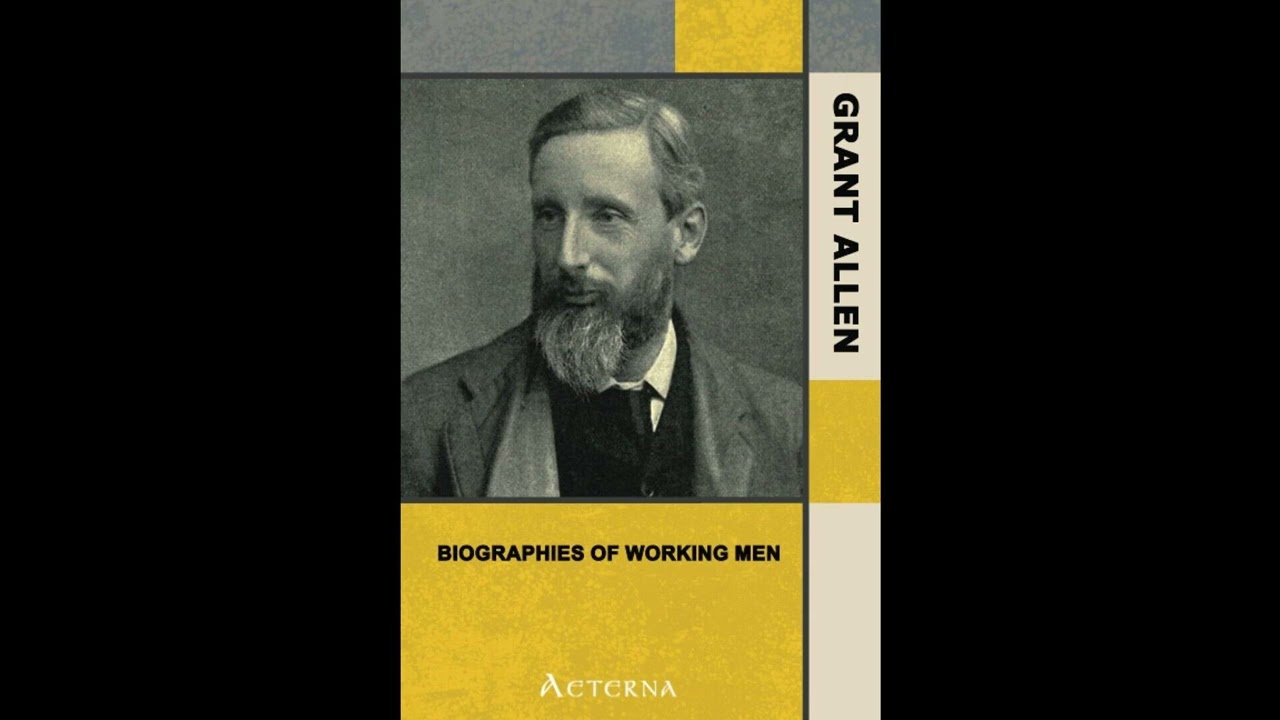
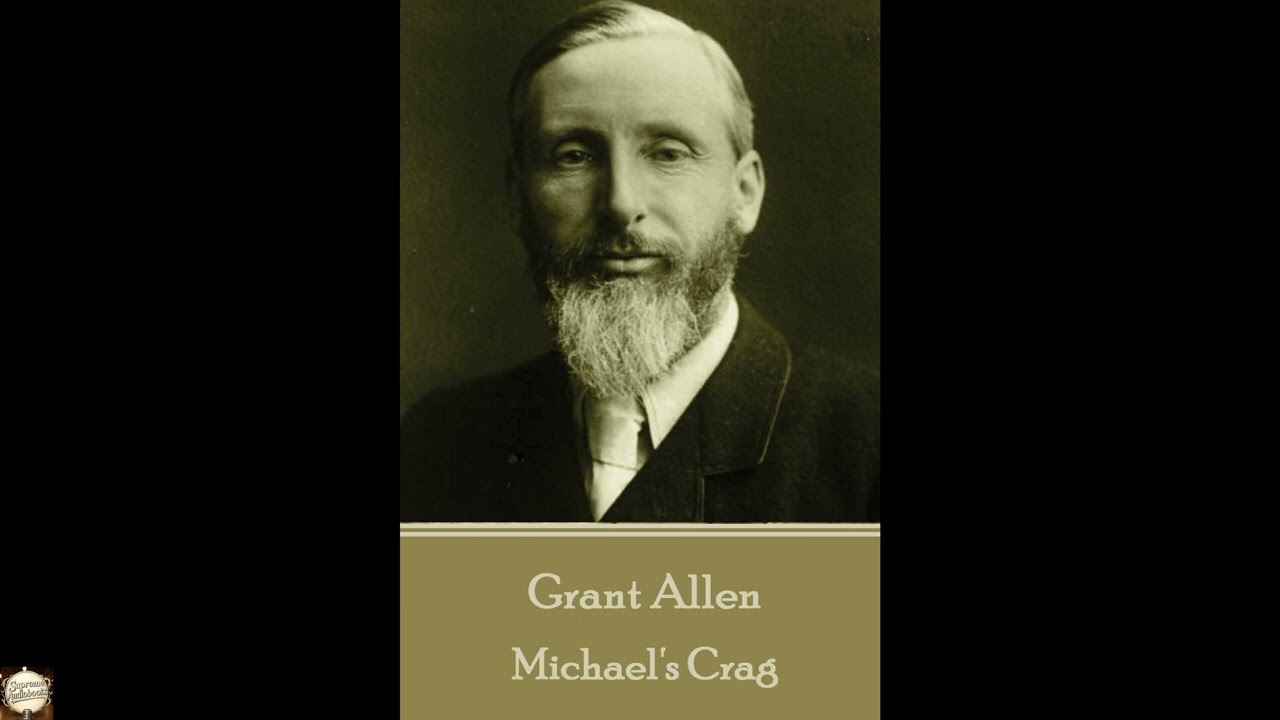
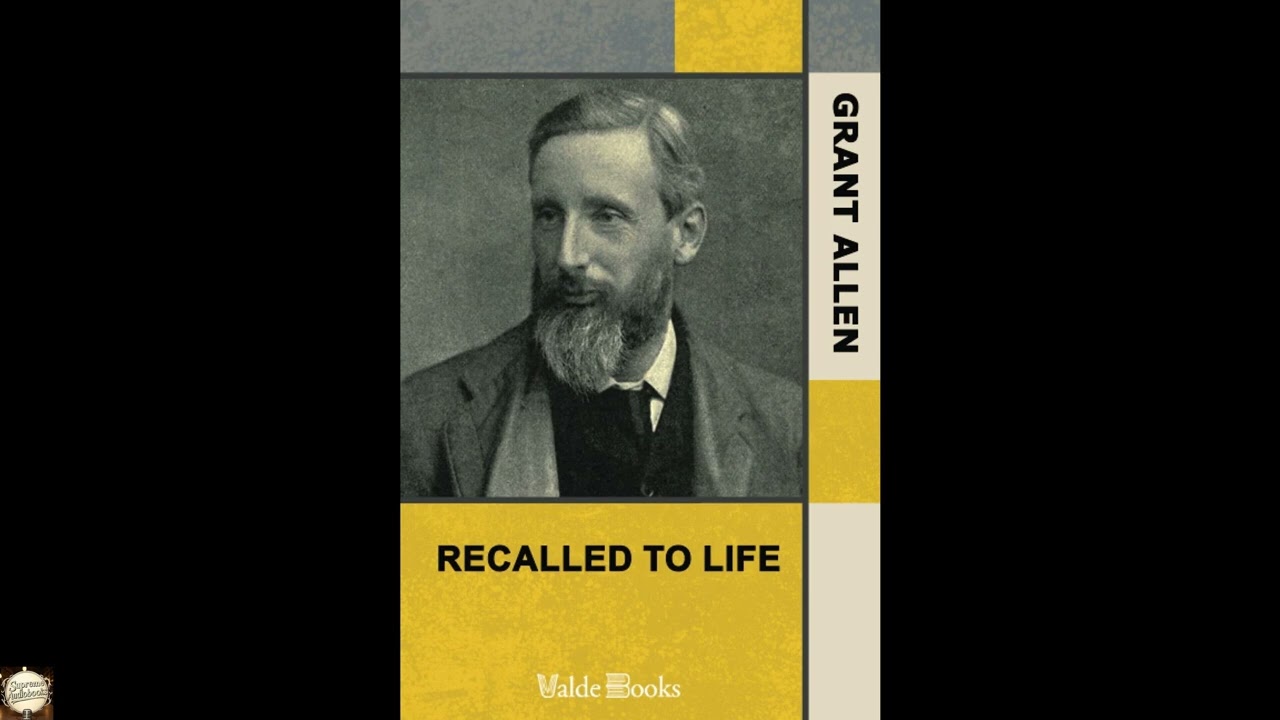
Imagine the shock, the confusion, and the profound unease when a loved one, long mourned and officially declared dead, suddenly walks back into your life, seemingly whole and undeniably present. This is the electrifying premise at the heart of Grant Allen’s Recalled to Life, a Victorian mystery that probes the fragile boundaries of identity, memory, and the insistent specter of the past. More than a simple whodunit, this story forces its characters, and by extension its listeners, to grapple with questions of belief and perception that resonate powerfully even today. When the very foundations of what you know to be true are shaken, how do you rebuild your understanding of the world, and indeed, of yourself? The narrative unfolds in the refined, yet often rigid, social landscape of late nineteenth-century England. We are introduced to the respectable household of the Eustace family, a family still bearing the scars of a tragedy that occurred years prior: the sudden and violent death of Agatha Eustace, a young woman whose demise was attributed to a fall from a cliff. Her fiancé, a man named Alan, was implicated in her death, though ultimately acquitted for lack of definitive proof. The shadow of this unresolved mystery has lingered over their lives, a perpetual cloud on their otherwise orderly existence. The central conflict ignites with the astonishing return of a woman claiming to be Agatha. She bears the striking resemblance, the familiar mannerisms, and possesses details of their shared history that could only belong to Agatha. Yet, years have passed, and time leaves its indelible marks. Is she truly the long-lost Agatha, resurrected from the grave or merely an elaborate imposter, a cruel trick designed to stir up old wounds and reopen a chilling cold case? This central question drives the story forward, plunging the characters into a labyrinth of suspicion, hope, and dread as they seek to verify the identity of the woman who has so dramatically returned from the brink. The unfolding drama forces the Eustace family, Alan, and their wider social circle to confront not only the possibility of a miraculous return, but also the darker implications of a past crime that may now finally be brought to light. Grant Allen, born in Alwington, Ontario, Canada, in 1848, became a prominent figure in late Victorian letters, known for his prolific output across scientific writing and popular fiction. Educated at Merton College, Oxford, he initially pursued a career in academia, serving as a professor in Jamaica before dedicating himself entirely to writing. Allen possessed a remarkably eclectic mind, deeply interested in evolutionary theory, biology, and geology, subjects he skillfully popularized through his non-fiction works. He was a keen popularizer of scientific thought, often presenting complex ideas in an accessible and engaging manner for a broad readership. His literary career saw him experiment with various genres, from science fiction and early detective stories to social novels that often challenged the conventions of his time. Among his most well-known and, for its era, controversial works is The Woman Who Did (1895), a novel that fiercely advocated for individual freedom and openly critiqued Victorian marital norms and sexual hypocrisy. While Recalled to Life belongs more squarely in the sensation novel tradition, Allen’s background in scientific observation and his willingness to question established norms frequently infused his fiction with a unique blend of intellectual curiosity and popular appeal. He was a writer who bridged the gap between academic discourse and mass entertainment, leaving a distinctive mark on the literary landscape of the 1890s. Recalled to Life adeptly enacts several enduring themes, foremost among them the elusive nature of identity. The returning woman’s claim is met with a spectrum of reactions – from fervent belief to skeptical dismissal – forcing the text to question what truly constitutes a person’s identity. Is it memory, physical resemblance, or the recognition of others? When the character of Alan grapples with the woman’s presence, his internal conflict highlights the terrifying possibility that the person you thought you knew might be fundamentally altered, or worse, entirely fabricated. The narrative uses this central dilemma to examine how easily perception can be swayed and how profoundly personal recognition is tied to collective memory. Another significant theme is the persistent demand for truth and justice. The unresolved mystery surrounding Agatha’s original death casts a long shadow, and her reappearance acts as a catalyst, reigniting the pursuit for clarity about the past. The characters find themselves not only trying to identify the woman but also compelled to revisit the circumstances of the original tragedy, meticulously sifting through old evidence and testimonies. This pursuit demonstrates how the human desire for a definitive account of events, particularly those involving wrongdoing, is a powerful force that can ripple across years, refusing to allow secrets to remain buried forever. The novel also subtly touches on the societal anxieties of the period, particularly the Victorian fascination with crime, disguise, and the boundaries of scientific explanation. This gripping narrative emerged from a period of profound change and burgeoning modernity—the late Victorian era, often referred to as the fin de siècle. The 1890s were a time of rapid scientific advancement, social upheaval, and intellectual ferment. Charles Darwin’s theories of evolution had permeated public consciousness, prompting new questions about human nature and identity. Simultaneously, technological innovations were transforming daily life, and the burgeoning field of psychology was beginning to challenge traditional understandings of the mind and memory. In the literary world, it was the golden age of the sensation novel, which specialized in thrilling plots involving crime, mystery, and often, questions of identity and inheritance. Authors like Wilkie Collins and Mary Elizabeth Braddon had paved the way for stories that shocked and entertained by exposing the dark undercurrents beneath respectable society. Furthermore, the decade saw the meteoric rise of detective fiction, epitomized by Arthur Conan Doyle’s Sherlock Holmes. Recalled to Life thus fits perfectly within this cultural milieu, capitalizing on a public appetite for intricate mysteries that probed both external events and internal psychological states, offering readers a thrilling escape while subtly engaging with contemporary intellectual currents about what it means to be human in a rapidly changing world. To experience Recalled to Life as an audiobook is to allow a skilled narrator to guide you directly into the heart of its Victorian mystery. The sustained atmosphere of uncertainty and mounting suspense gains an added dimension through spoken performance, particularly in conveying the subtle inflections of doubt, hope, and fear in the characters’ voices. A good narrator can expertly manage the unfolding revelations, building the tension with deliberate pacing, ensuring that each twist and turn is delivered with maximum impact. The dialogue, steeped in the formal yet expressive language of the era, comes alive, allowing the listener to fully appreciate the nuanced interactions and the underlying currents of suspicion and intrigue. For several hours, you are transported directly into the Eustace family’s drawing-rooms and the shadowed lanes of their past, making for an immersive listening experience perfectly suited to unraveling the enigma of a life, once lost, now astonishingly reclaimed.
Enjoyed Recalled to Life? A few ways to support us
Audible & Amazon links are affiliate; we may earn a small commission at no extra cost.
About this production
Human narration by a volunteer reader from LibriVox.org, the public-domain audiobook project. LibriVox volunteers record literary works whose copyright has expired in the United States, releasing the resulting recordings into the public domain.
Recalled to Life by Grant Allen. The underlying text is in the U.S. public domain. We do not republish any modern copyrighted edition, translation, or commentary.
The 4K cinematic visuals accompanying this audiobook are generated by an AI image model from prompts derived from the source text. No copyrighted photos, paintings, or stock footage are used. AI generation is disclosed on every video on our YouTube channel as required by YouTube's altered/synthetic content policy.
English subtitles are transcribed from the LibriVox recording with OpenAI Whisper. Translations into the 11 other supported languages are produced by Meta's NLLB-200 neural translation model. No human translator's copyrighted translation is used.
Questions about sourcing or rights? See our DMCA & Sourcing policy or contact us.
Enjoyed this audiobook?
If you'd like to own a copy of Recalled to Life or hear a professionally produced edition, the links below help support free audiobook production at no extra cost to you.
As an Amazon Associate we earn from qualifying purchases. Audible / print links are affiliate.