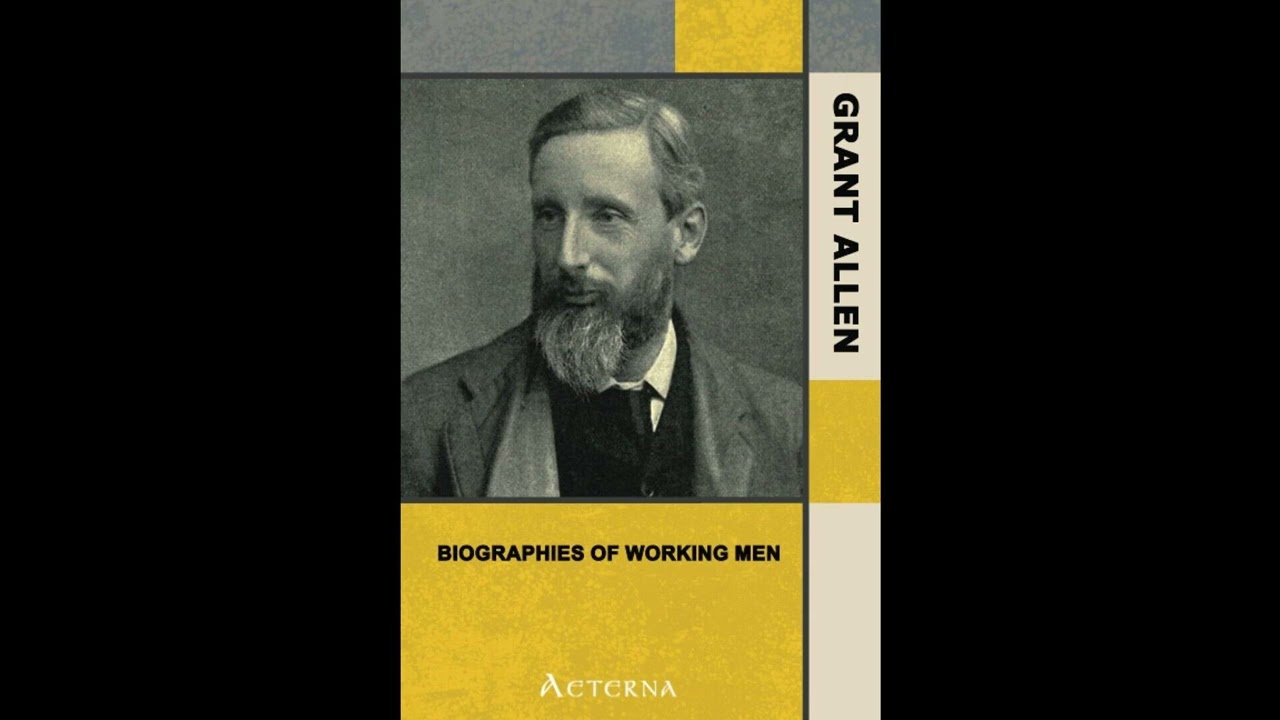
Biographies of Working Men
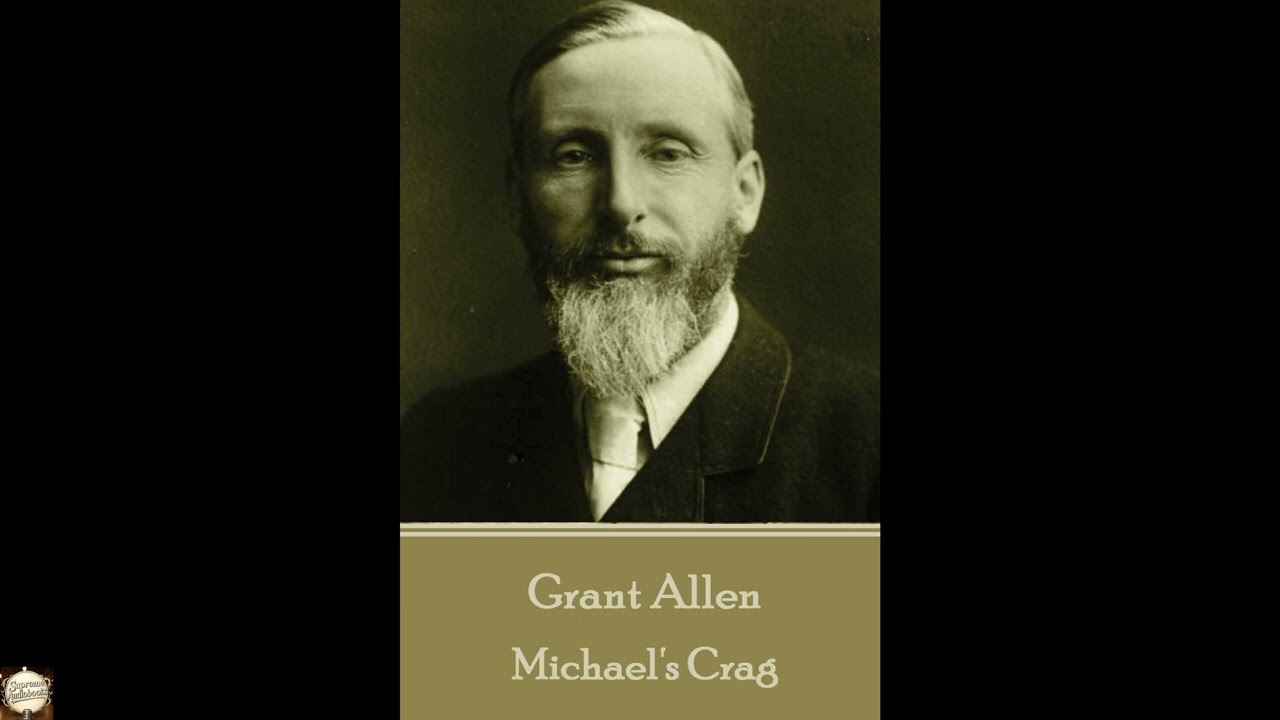
Biographies of Working Men offers a rare and illuminating glimpse into the lives of individuals often overlooked by traditional historical narratives. This collection, authored by the prolific Victorian polymath Grant Allen, serves as a testament to human perseverance and the quiet dignity of labor, presenting the stories of ordinary men who achieved extraordinary things through sheer will, ingenuity, and a tireless commitment to their craft or calling. In an era increasingly focused on the grand pronouncements of leaders and the exploits of the privileged, Allen chose instead to shine a light on the bedrock of society – those who toiled with their hands and minds, shaping the world from the ground up. Their struggles, innovations, and moral fortitude resonate powerfully today, reminding us that true impact often stems not from inherited status, but from individual effort and an unwavering spirit in the face of adversity. This is a collection that encourages reflection on the nature of ambition, the value of everyday work, and the enduring strength of the human spirit against the backdrop of societal challenges, making it as relevant now as it was at its conception. The book unfurls a series of distinct biographical sketches, each a narrative microcosm of struggle and achievement set against the sprawling backdrop of Victorian Britain and beyond. While specific names and trades vary across the collection, a consistent pattern emerges: individuals born into humble circumstances, often facing the limitations of poverty, lack of formal education, or rigid social stratification. Picture a self-taught inventor tinkering late into the night, fueled by an insatiable curiosity and the desire to improve a common tool, or a skilled artisan dedicating decades to perfecting a craft that would bring beauty or utility to countless others. The central conflict in each account is not a single dramatic confrontation, but rather the continuous, grinding battle against circumstance, against the physical demands of labor, and often against societal indifference or prejudice. Each man’s story begins with the mundane reality of his birth and immediate environment – the soot-stained streets of an industrial town, the quiet solitude of a rural workshop, or the unforgiving rhythm of a factory floor. From these constrained beginnings, the arc of each narrative typically follows a trajectory marked by incremental progress, moments of insight, and often, quiet triumph. Listeners will hear echoes of lives defined by hard-won skills, by the relentless pursuit of knowledge through self-study, or by the courage to challenge established norms in the workplace or community. These are not tales of meteoric rise to fame and fortune, but rather of integrity, resourcefulness, and the profound satisfaction found in meaningful work. Each biography functions as a miniature drama, where the protagonist's resourcefulness and strength of character are tested, eventually leading to a measure of success, respect, or enduring contribution, even if only within their local sphere. The collective effect is a rich panorama of lives lived with purpose, demonstrating the diverse ways individuals can leave their mark despite the limitations imposed by their era. Grant Allen, born Charles Grant Blairfindie Allen in Kingston, Ontario, in 1848, was a remarkable figure in late Victorian letters. Though he began his career as a schoolteacher and later a government college professor in Jamaica, he soon found his true calling as a professional writer, moving to England in 1876. Allen was a polymath who wrote extensively across a vast range of subjects, including botany, zoology, philosophy, and social commentary. His early reputation was built on popular science writing, where he excelled at making complex scientific ideas accessible to a wide audience. He was deeply influenced by the evolutionary theories of Charles Darwin and Herbert Spencer, and this scientific naturalism informed much of his worldview and his literary output. Beyond popular science, Allen was also a highly successful and often controversial novelist. His fiction frequently tackled pressing social issues of his time, particularly those concerning women's rights and evolving moral codes. Works like The Woman Who Did (1895), a novel advocating for women's independence and free love, caused a sensation and cemented his reputation as a progressive, albeit provocative, voice. Other notable novels include Babylon (1885) and The Devil's Die (1888), which showcased his ability to craft engaging narratives with a philosophical edge. Grant Allen’s place in the literary canon is that of a key transitional figure, blending scientific rationalism with a keen eye for social observation, often challenging Victorian orthodoxies and anticipating many of the intellectual currents of the twentieth century. He was a man who believed in progress and the power of individual thought, convictions that clearly shaped his decision to chronicle the lives found in Biographies of Working Men. Allen died in Surrey, England, in 1899, leaving behind a prodigious body of work that continues to fascinate and provoke. One of the central themes woven through these biographies is the dignity of labor. Allen consistently portrays the various professions – be it craftsman, inventor, or manual laborer – not as mere means to an end, but as avenues for personal expression, meticulous skill, and profound contribution. For example, a detailed account of a stonemason's artistry reveals the years of practice and inherent understanding of materials required to shape stone into enduring structures, elevating his work from brute force to a testament of human ingenuity and patience. This focus underscores the idea that all honest work possesses inherent value, regardless of its social standing. Parallel to this is the theme of resilience and self-improvement. Each man faces obstacles, from economic hardship to a lack of formal education, yet they consistently demonstrate an unyielding spirit. The story of a factory worker who taught himself to read and write in stolen moments, eventually becoming a respected local historian, perfectly illustrates this indomitable drive for knowledge and betterment against formidable odds. The book also powerfully enacts the theme of social mobility through merit, though often on a localized or personal scale rather than a grand one. While society might have been rigidly stratified, Allen highlights how exceptional talent, perseverance, and ethical conduct could slowly but surely earn respect and opportunities that transcended the circumstances of birth. A blacksmith who developed a more efficient agricultural implement, for instance, might not have joined the landed gentry, but his innovation brought him local renown, economic stability, and the esteem of his community, fundamentally altering his life and the lives of those who benefited from his invention. Finally, the value of practical knowledge emerges as a critical theme. Many of these men were not theorists but practitioners, whose wisdom stemmed directly from hands-on experience and a deep understanding of their materials and tools. Allen celebrates this empirical knowledge, showing how it often surpassed abstract academic learning in its direct utility and capacity for problem-solving. This collection emerged during the late nineteenth century, a period of immense social and economic upheaval in Britain. The Industrial Revolution had radically transformed the landscape, creating unprecedented wealth alongside widespread poverty and stark class divisions. Cities swelled with factory workers, and debates raged about social welfare, education for the working classes, and the nascent labor movement advocating for better conditions and rights. Culturally, there was a growing interest in documenting the lives of "ordinary" people, moving beyond traditional histories of kings and generals. This era also saw the rise of popular science and self-help literature, reflecting a societal belief in progress and individual improvement. Grant Allen, with his background in science and his progressive social views, was perfectly positioned to write a book like Biographies of Working Men. It served as both a social commentary, highlighting the often-unseen struggles and triumphs of the working class, and an inspirational text, encouraging self-reliance and demonstrating the profound potential within every individual, irrespective of their starting point. The work resonated with a Victorian desire to understand the engine of their society and to celebrate the virtues of diligence and ingenuity that underpinned national progress. Listening to Biographies of Working Men as an audiobook offers a unique and intimate way to connect with these historically significant accounts. The narration breathes life into Allen’s considered prose, giving voice to the quiet dignity and earnest endeavors of these individuals. A skilled narrator can capture the nuanced tone – respectful, admiring, yet clear-eyed – that Allen employs when detailing the challenges and successes of his subjects. The run length, measured in several hours, makes it an ideal companion for extended periods of focused listening, whether during commutes, while engaged in household tasks, or during quiet moments of contemplation. Listen for the subtle shifts in pacing as the narrator moves from describing the arduous routines of daily labor to recounting moments of innovative breakthrough or personal triumph. The clarity of the voice and the measured cadence can emphasize the painstaking detail Allen provides, allowing listeners to visualize the workshops, fields, and homes where these stories unfolded. It transforms what could be a purely academic read into a more personal and reflective experience, allowing the inherent humanity of each biography to shine through, creating a truly atmospheric and engaging encounter with the past.
Enjoyed Biographies of Working Men? A few ways to support us
Audible & Amazon links are affiliate; we may earn a small commission at no extra cost.
About this production
Human narration by a volunteer reader from LibriVox.org, the public-domain audiobook project. LibriVox volunteers record literary works whose copyright has expired in the United States, releasing the resulting recordings into the public domain.
Biographies of Working Men by Grant Allen. The underlying text is in the U.S. public domain. We do not republish any modern copyrighted edition, translation, or commentary.
The 4K cinematic visuals accompanying this audiobook are generated by an AI image model from prompts derived from the source text. No copyrighted photos, paintings, or stock footage are used. AI generation is disclosed on every video on our YouTube channel as required by YouTube's altered/synthetic content policy.
English subtitles are transcribed from the LibriVox recording with OpenAI Whisper. Translations into the 11 other supported languages are produced by Meta's NLLB-200 neural translation model. No human translator's copyrighted translation is used.
Questions about sourcing or rights? See our DMCA & Sourcing policy or contact us.
View 10 famous quotes from this book →
Enjoyed this audiobook?
If you'd like to own a copy of Biographies of Working Men or hear a professionally produced edition, the links below help support free audiobook production at no extra cost to you.
As an Amazon Associate we earn from qualifying purchases. Audible / print links are affiliate.