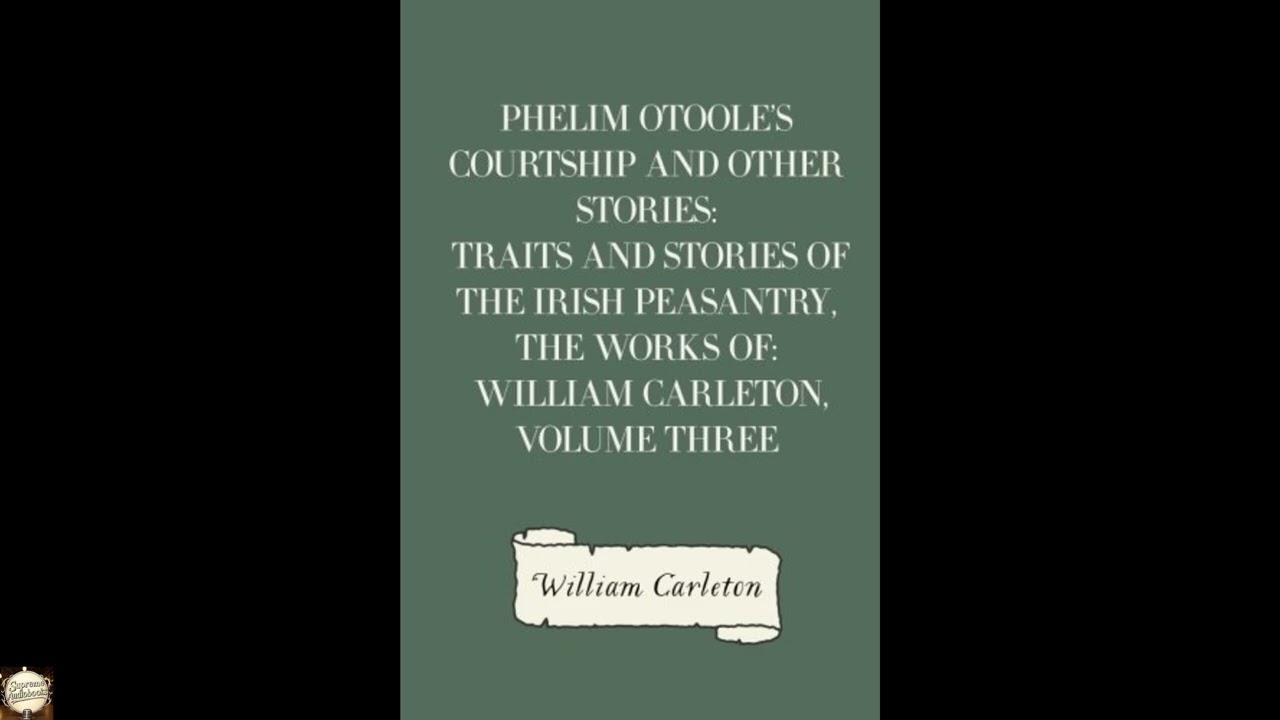
Phelim Otoole's Courtship and Other Stories: Traits And Stories Of The Irish Peasan
Step into a lost world, one teeming with the humor, hardship, and indomitable spirit of the Irish countryside. This collection, "Phelim Otoole's Courtship and Other Stories: Traits And Stories Of The Irish Peasant," offers an unvarnished window into the lives of ordinary people in nineteenth-century rural Ireland. Far from being a mere historical document, these tales pulse with universal human truths, presenting characters whose foibles, loves, and struggles resonate with us even today. Here, you will find both laughter and poignant insight, a vivid portrait of a community grappling with the rhythms of daily life, where tradition holds sway and human connection shapes every experience. It is a chance to connect with a specific place and time, yes, but also with the enduring heart of humanity. The collection centers on the experiences of the Irish peasantry, detailing their lives with a keen eye for character and custom. While the titular story, "Phelim Otoole's Courtship," provides a focal point, introducing us to the charmingly earnest, if sometimes misguided, Phelim and his pursuit of love, the book expands beyond his personal endeavors to encompass a broader spectrum of rural existence. We are transported to a landscape of small cottages, bustling market days, communal gatherings, and quiet fields, where the fabric of life is woven from agricultural seasons, local gossip, and deep-seated traditions. Each story introduces us to a new set of personalities, from the shrewd matchmaker to the stoic farmer, the village beauty to the eccentric local character, all navigating the social and economic intricacies of their world. The central conflicts across these narratives often arise from the everyday challenges of life: the arduous task of making a living from the land, the delicate dance of social standing, the quest for a suitable marriage, or the resolution of local disputes. In "Phelim Otoole's Courtship," for instance, Phelim's romantic aspirations are complicated by his reputation, his limited means, and the expectations of his community, requiring him to employ all his wit and charm to overcome obstacles. Other stories paint pictures of neighborly generosity, petty rivalries, superstitious beliefs, and moments of quiet despair and jubilant celebration. What unites them is an authentic depiction of a community where individual lives are inextricably linked to the collective, and where personal destinies are often shaped by the shared heritage and values of the village. The collection sketches a world where the stakes may seem small on the surface, but for the characters involved, they represent the entirety of their existence, played out against the backdrop of a distinct and deeply traditional culture. Since the author of this collection is listed as "Unknown," and its year of creation similarly unrecorded, the work itself stands as a testament to an important literary tradition rather than a specific author's biography. These "Traits and Stories of the Irish Peasant" likely emerged from a period when documenting the customs, dialects, and social structures of specific regional cultures became a compelling project. Such collections served not only as entertainment but also as valuable ethnographic records, preserving aspects of life that were either disappearing or changing rapidly. They represent a collective voice, possibly compiled or written down by an anonymous observer deeply familiar with the communities depicted, someone who felt an urgent need to capture the nuances of rural Irish life for posterity. This genre often drew from oral traditions, local anecdotes, and keen social observation, embodying a spirit of realism that sought to portray common people with dignity and accuracy, moving away from caricatures. It is probable that the stories circulated within communities before finding their way into print, or were penned by someone immersed in the daily lives of those they wrote about—perhaps a local schoolmaster, a traveling cleric, or a landowner. Regardless of its specific origin, the compilation speaks to a broader movement in literature to represent the everyday struggles and triumphs of ordinary folk, granting them a place in the literary canon and ensuring their experiences would not be lost to time. It acts as a bridge, allowing subsequent generations to understand the texture of life in a specific place and period, shaped by its unique challenges and enduring spirit. The themes resonating throughout "Phelim Otoole's Courtship and Other Stories" are deeply human and culturally specific, yet universally accessible. One prominent theme is the resilience of the human spirit in the face of hardship. Characters frequently encounter economic struggle, social judgment, or personal loss, yet they often meet these challenges with an unwavering resolve, a sharp wit, or a profound sense of community. For example, in many of the tales, despite the scarcity of resources, neighbors extend generosity and support to one another, showcasing a collective strength that transcends individual adversity. Another significant theme is the power of tradition and community. The stories illustrate how deeply ingrained customs, social rituals, and the opinions of one's neighbors shape individual decisions and destinies. A courtship, for instance, is rarely a private affair, but rather a public performance subject to the scrutiny and often the direct intervention of the entire village. Consider Phelim's own romantic endeavors, which are consistently influenced by the advice, gossip, and expectations of those around him, demonstrating how personal aspirations are often weighed against the collective memory and established norms of the community. A third theme is the vivid interplay of humor and pathos; laughter often coexists with moments of profound sorrow or gentle melancholy, reflecting a nuanced understanding of life's complexities. Characters frequently use irony, banter, and storytelling to cope with difficulties, highlighting the cultural significance of wit as both a defense mechanism and a form of social cohesion. To fully appreciate these tales, we must consider the historical context of nineteenth-century Ireland. This was a period marked by significant social and political upheaval, characterized by widespread poverty, land disputes, and the pervasive influence of British rule. Before the devastating Great Famine, Irish society was largely agrarian, with a distinct social hierarchy and a deep connection to the land. The cultural identity of the Irish people, particularly the rural peasantry, was expressed through their language, folklore, music, and resilient community structures, often in defiance of external pressures. Literarily, this era saw an increasing interest in realism and regionalism, a desire to portray specific places and people authentically. There was a burgeoning sense of Irish national identity, which often manifested in efforts to document and celebrate distinct Irish culture before it might be irrevocably altered by emigration or assimilation. Works like "Traits And Stories Of The Irish Peasant" emerged from this desire to preserve and present the authentic voice and experiences of ordinary Irish people, often with an underlying intent to educate, entertain, and perhaps even to foster sympathy or understanding among a wider readership. The collection serves as a valuable cultural artifact from a specific historical moment, capturing a way of life on the cusp of significant change. Listening to "Phelim Otoole's Courtship and Other Stories" as an audiobook offers a truly immersive and enriching experience. The very essence of these tales—their reliance on dialogue, their distinct rhythms, and their often conversational tone—lends itself perfectly to audio narration. A skilled narrator can bring the diverse array of characters to life, from the earnest Phelim to the various village elders and gossips, each with their own unique voice and cadence. The nuanced Irish accents and regional inflections, which are integral to the authenticity and charm of the stories, can be beautifully conveyed through performance, allowing listeners to hear the tales as they might have been told around a hearth fire generations ago. The "several hours" run length makes it an ideal companion for long drives, quiet evenings, or while tending to daily tasks, allowing the listener to settle into the pace of rural life. Pay close attention to the expressive dialogue and the subtle shifts in atmosphere, as the narrator guides you through moments of robust humor, quiet contemplation, and genuine human drama.
Enjoyed Phelim Otoole's Courtship and Other Stories: Traits And Stories Of The Irish Peasan? A few ways to support us
Audible & Amazon links are affiliate; we may earn a small commission at no extra cost.
About this production
Human narration by a volunteer reader from LibriVox.org, the public-domain audiobook project. LibriVox volunteers record literary works whose copyright has expired in the United States, releasing the resulting recordings into the public domain.
Phelim Otoole's Courtship and Other Stories: Traits And Stories Of The Irish Peasan by William Carleton. The underlying text is in the U.S. public domain. We do not republish any modern copyrighted edition, translation, or commentary.
The 4K cinematic visuals accompanying this audiobook are generated by an AI image model from prompts derived from the source text. No copyrighted photos, paintings, or stock footage are used. AI generation is disclosed on every video on our YouTube channel as required by YouTube's altered/synthetic content policy.
English subtitles are transcribed from the LibriVox recording with OpenAI Whisper. Translations into the 11 other supported languages are produced by Meta's NLLB-200 neural translation model. No human translator's copyrighted translation is used.
Questions about sourcing or rights? See our DMCA & Sourcing policy or contact us.
Enjoyed this audiobook?
If you'd like to own a copy of Phelim Otoole's Courtship and Other Stories: Traits And Stories Of The Irish Peasan or hear a professionally produced edition, the links below help support free audiobook production at no extra cost to you.
As an Amazon Associate we earn from qualifying purchases. Audible / print links are affiliate.
More Audiobooks
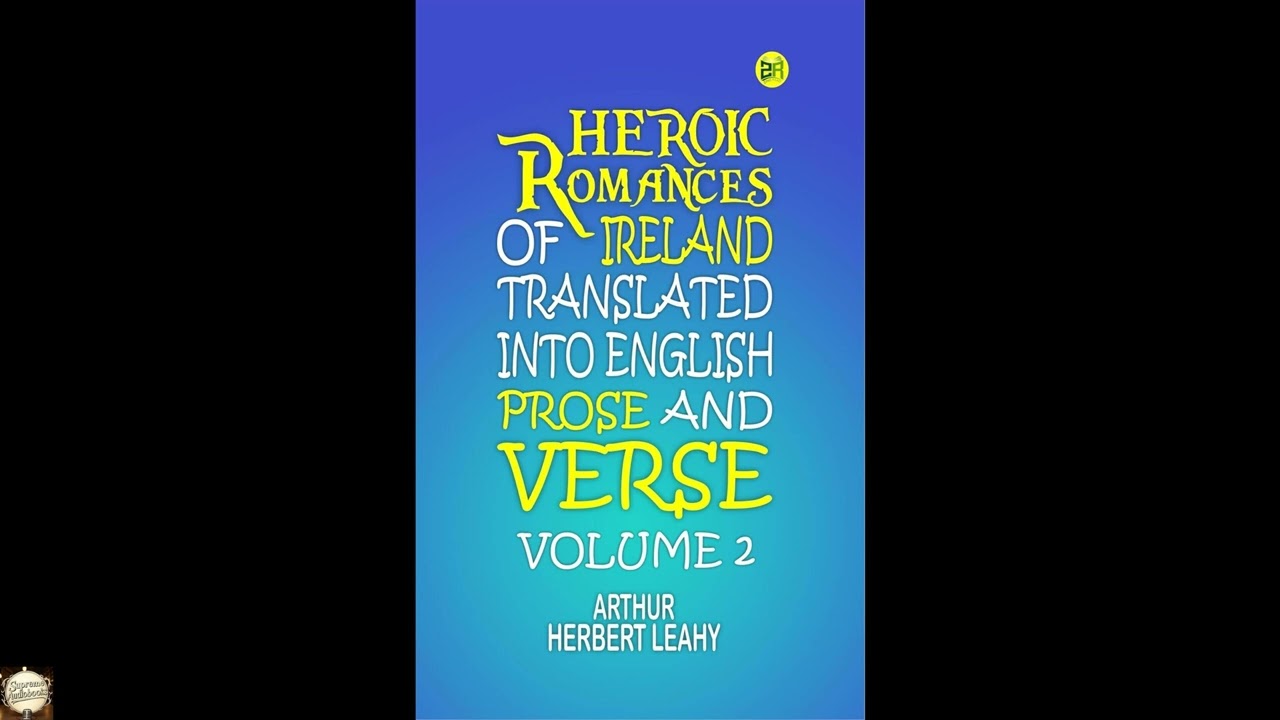
Heroic Romances of Ireland, Translated into English Prose and Verse Volume 2
Phil Purcel, The Pig-Driver; The Geography of an Irish Oath; The Lianhan Shee
Stories of Red Hanrahan - W. B. Yeats
My Lady of the Chimney Corner: A Story of Love and Poverty in Irish Peasant Lif- Full Audiobook