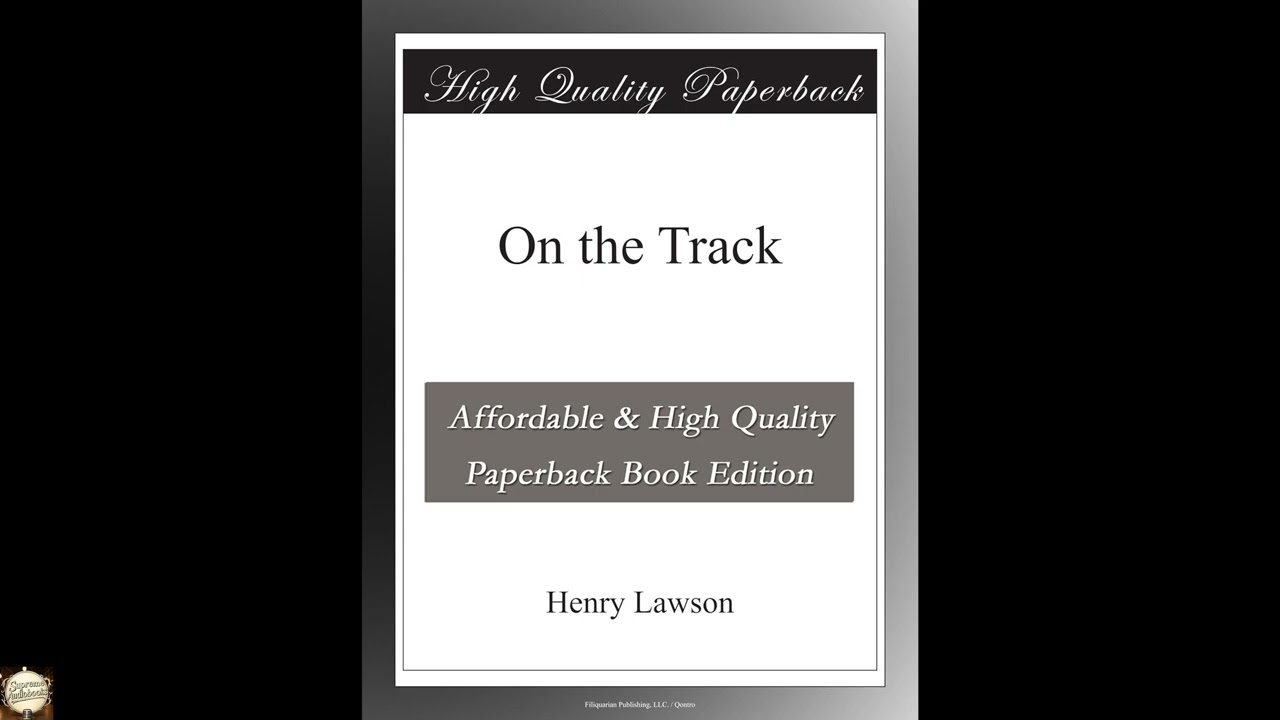
On the Track
Henry Lawson’s "On the Track" offers an unfiltered window into the heart of the Australian bush at a pivotal moment in the nation's history. Far from a collection of quaint anecdotes, these stories are sharp, poignant sketches of survival, camaraderie, and hardship, etched against the backdrop of an unforgiving landscape. To listen to these tales today is to connect with the very soul of a nascent nation, to understand the foundational experiences that shaped a unique character – one marked by laconic humor, deep loyalty, and an enduring resilience. This is literature that transcends its specific setting, speaking to the universal human condition of grappling with circumstance, finding connection in isolation, and the quiet dignity of ordinary lives. This audiobook brings together a significant portion of Lawson’s celebrated short fiction, presenting a panorama of life in the late 19th-century Australian outback. Listeners are introduced to a recurring cast of characters: the itinerant swagman trudging dusty roads, the stoic shearer battling the elements and arduous work, the isolated selector's wife enduring profound loneliness, and the pub philosopher offering wry observations on life’s absurdities. The setting is always front and center, whether it's the vast, sun-baked plains, the humble humpy by a creek, or the bustling, dusty shearing shed. Each story, though self-contained, contributes to a larger, immersive portrait of a world defined by its sparseness and the sheer effort required to simply exist. The central conflict isn't a single dramatic event, but the ongoing struggle of man and woman against a formidable natural environment, often compounded by poverty, distance, and a profound sense of cultural isolation from the more established coastal cities. There’s a quiet dignity in the characters’ endurance, a deep understanding of shared experience that binds them together even as the land pushes them apart. These narratives are not tales of grand adventure or dramatic heroism, but rather acutely observed vignettes that capture the everyday realities, the small triumphs, and the deep-seated sorrows of the people who shaped the interior of Australia. Listeners will find themselves immersed in incidents that reveal flashes of human nature: acts of unexpected kindness, moments of sharp wit, the crushing weight of despair, and the simple pleasures found in shared company or a hard-earned rest. The stories unfold with a natural rhythm, painting vivid pictures of the challenges faced by those "on the track," moving from one temporary job to the next, reliant on their own strength and the tenuous bonds of mateship to survive. Lawson renders these lives with unsentimental honesty, allowing the listener to draw their own conclusions about the resilience and sometimes the quiet tragedy inherent in this arduous existence. Henry Lawson (1867–1922) stands as one of Australia’s most revered literary figures, often considered the poet and storyteller of the Australian bush. Born near Grenfell, New South Wales, the son of a Norwegian sailor and a prominent Australian feminist and publisher, Louisa Lawson, Henry’s early life was marked by frequent moves and exposure to the very bush life he would later immortalize. A childhood ear infection left him profoundly deaf by his early teens, an affliction that contributed to his introspective nature and sharpened his powers of observation. Lawson began his writing career in the late 1880s, contributing poems and stories to publications like The Bulletin, a Sydney-based magazine that actively fostered Australian literary talent. He quickly distinguished himself with his authentic voice and unflinching portrayal of rural life. Lawson’s personal struggles—including bouts of depression, alcoholism, and periods of poverty—often informed the pathos found in his writing, lending it a profound sense of realism and empathy. His commitment to capturing the vernacular and the spirit of ordinary Australians set him apart. While he also published poetry, his short stories, collected in volumes such as "While the Billy Boils" and "Joe Wilson and His Mates," cemented his place in the literary canon. He is often contrasted with his contemporary, Banjo Paterson, whose romanticized view of the bush provided a different, yet equally influential, perspective. Lawson, however, championed a more grounded, realistic, and often melancholy depiction, making him a central figure in the Australian realist movement and a defining voice for the emerging national character. The stories in "On the Track" illuminate several enduring themes. Foremost among them is mateship, the deep bond of loyalty and solidarity between individuals facing shared hardships. This is frequently illustrated through instances where men, often strangers, offer unwavering support to one another in remote and challenging circumstances, whether it’s sharing the last of their water in a drought or providing companionship against overwhelming loneliness. Another powerful theme is the harshness and indifference of the Australian landscape. Lawson consistently depicts the bush not as a romantic backdrop, but as a formidable, often hostile force, demanding immense fortitude from those who attempt to live off it. Scenes of endless drought or unforgiving distances underscore humanity’s smallness against the vastness of nature. The collection also powerfully addresses isolation and loneliness, particularly the emotional toll on women living in remote settlements. Characters often grapple with profound solitude, a condition made more acute by the vast distances separating homesteads. This sense of desolation is frequently contrasted with moments of unexpected human connection, highlighting the preciousness of companionship. Finally, Lawson’s work is deeply concerned with the formation of a distinct Australian identity. His characters, with their laconic wit, stoicism, and cynicism born of experience, embody the emerging national character – practical, resilient, and deeply democratic in their outlook. Through these vivid portrayals, the book helps define what it meant to be Australian at the turn of the 20th century. These stories emerged during a period of intense nation-building in Australia. The late 19th century was a time of burgeoning national self-awareness, leading up to the Federation of the Australian colonies into a single Commonwealth in 1901. There was a strong cultural drive to define a uniquely Australian identity, distinct from its British colonial roots. The Bulletin magazine, where many of Lawson's stories first appeared, actively fostered this burgeoning nationalism, encouraging writers to depict Australian landscapes, characters, and experiences. Politically, the era saw the rise of a strong working-class movement, advocating for fair wages and conditions, and Lawson’s sympathetic portrayal of the struggling bush worker resonated deeply with these sentiments. His work provided a literary voice for the ordinary people who were literally building the nation, giving dignity and recognition to their often-overlooked lives and struggles. This was a direct response to a need for Australian narratives told by Australians, for Australians, capturing the harsh realities of settlement and survival on a vast and challenging continent. Listening to "On the Track" as an audiobook offers a singular opportunity to fully appreciate Lawson’s spare, direct prose and the natural cadences of his dialogue. The run length, several hours, allows the listener to become truly immersed in the episodic nature of the collection, letting each story settle before moving to the next. A skilled narrator brings out the understated humor, the deep-seated melancholy, and the unwavering spirit of the bush characters. The pacing allows for contemplation, echoing the slower rhythms of life on the track. Pay close attention to the voices, how the narrator embodies the different personalities—the quiet strength of a woman, the gruff but kind disposition of a swagman, the matter-of-fact observations of a shearer. The auditory experience truly enhances the atmosphere, conjuring the vast silences of the outback, the creak of leather, the distant sound of a stock whip, and the rich, authentic dialogue that captures the essence of a nation finding its voice.
Enjoyed On the Track? A few ways to support us
Audible & Amazon links are affiliate; we may earn a small commission at no extra cost.
About this production
Human narration by a volunteer reader from LibriVox.org, the public-domain audiobook project. LibriVox volunteers record literary works whose copyright has expired in the United States, releasing the resulting recordings into the public domain.
On the Track by Henry Lawson. The underlying text is in the U.S. public domain. We do not republish any modern copyrighted edition, translation, or commentary.
The 4K cinematic visuals accompanying this audiobook are generated by an AI image model from prompts derived from the source text. No copyrighted photos, paintings, or stock footage are used. AI generation is disclosed on every video on our YouTube channel as required by YouTube's altered/synthetic content policy.
English subtitles are transcribed from the LibriVox recording with OpenAI Whisper. Translations into the 11 other supported languages are produced by Meta's NLLB-200 neural translation model. No human translator's copyrighted translation is used.
Questions about sourcing or rights? See our DMCA & Sourcing policy or contact us.
Enjoyed this audiobook?
If you'd like to own a copy of On the Track or hear a professionally produced edition, the links below help support free audiobook production at no extra cost to you.
As an Amazon Associate we earn from qualifying purchases. Audible / print links are affiliate.