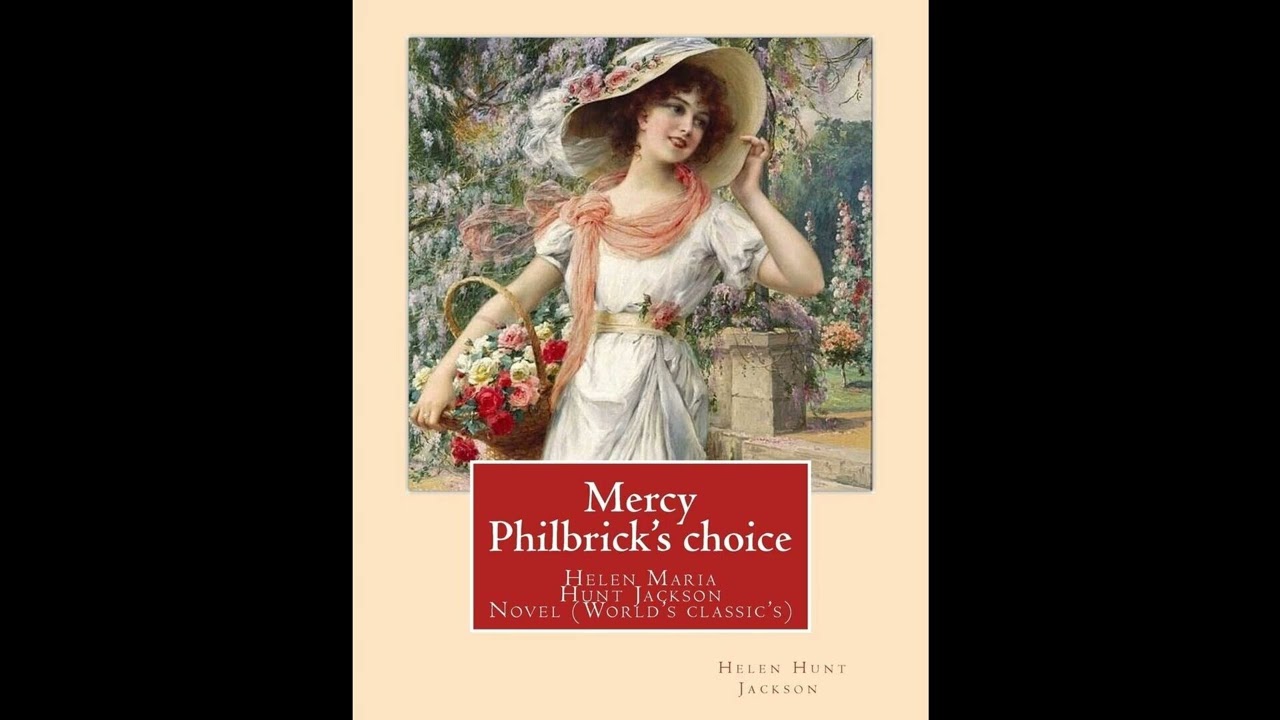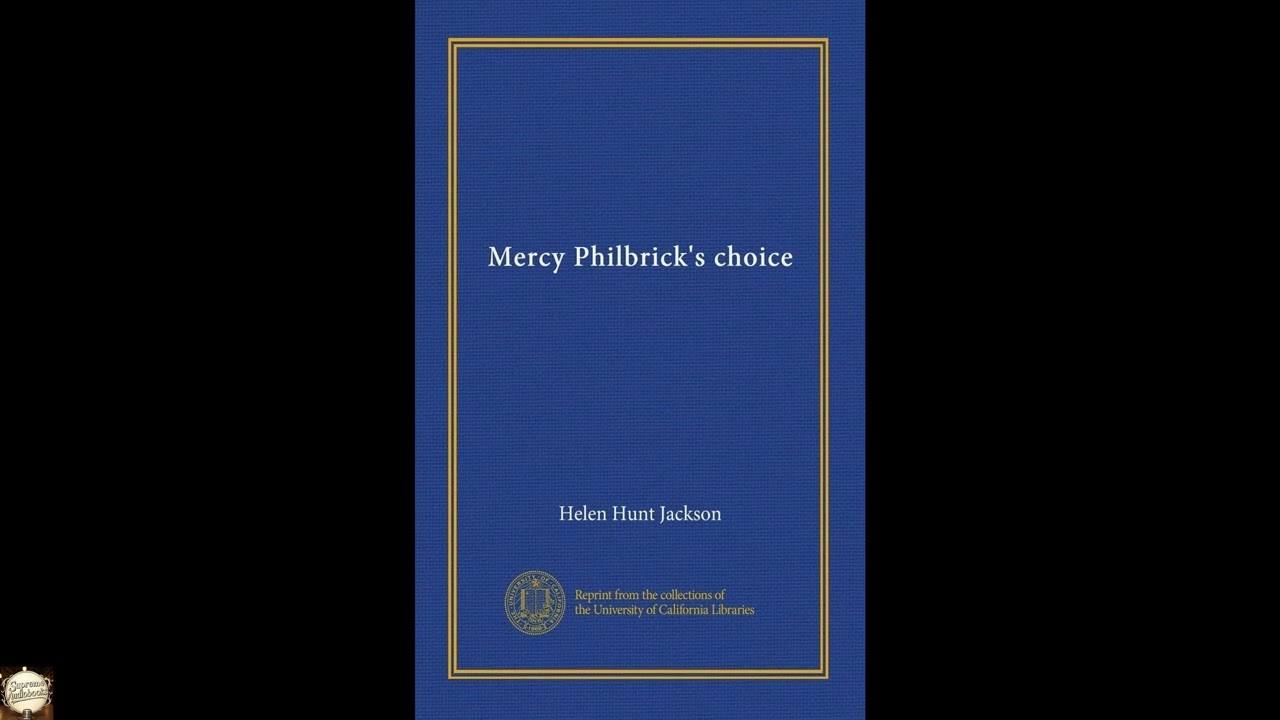
Mercy Philbrick's choice
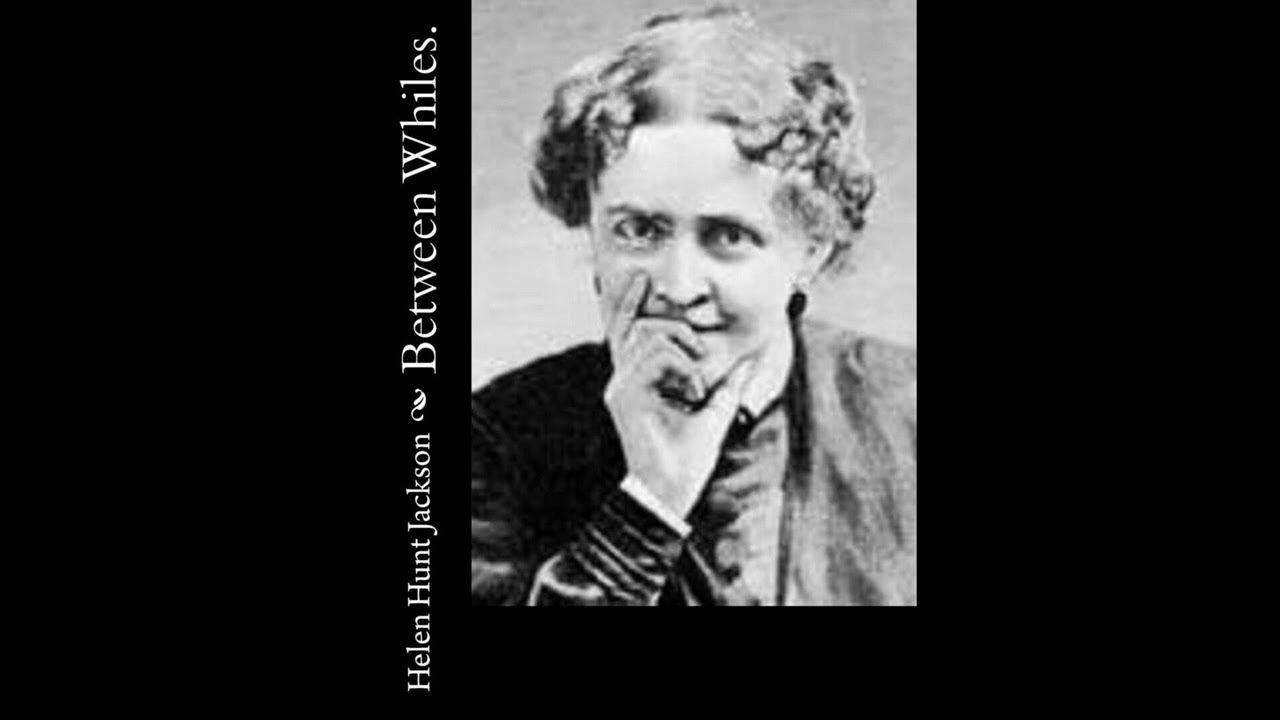
What happens when a woman’s deepest desires clash with the expectations of her world and the quiet dictates of her own conscience? Helen Hunt Jackson’s Mercy Philbrick's Choice, a classic from a pivotal era in American letters, asks this question with piercing honesty, offering a window into a singular heart and a reflection of dilemmas that remain profoundly resonant today. It is a story not of grand adventures, but of the intricate inner life of a woman grappling with the very definition of happiness, purpose, and selfhood in a society that often sought to define those things for her. This is a novel of quiet power, inviting listeners to consider the true cost of authenticity. The story unfolds in a meticulously rendered post-Civil War New England village, a setting that, while outwardly serene, harbors its own strictures and social currents. At its heart is Mercy Philbrick, a woman of profound sensitivity and intellectual depth, possessing a quiet but undeniable gift for poetry. She lives a life marked by a reserved grace, fulfilling her duties and navigating the expectations of her community. However, beneath this composed exterior lies a spirit yearning for more than mere domestic contentment, a soul keenly aware of the world's beauty and suffering, and a mind that expresses itself most purely through verse. Mercy's life takes a significant turn with the arrival of Stephen White, a man of intellect and charm who recognizes and admires her artistic talent. Their connection is immediate and deeply intellectual, promising a companionship that speaks directly to Mercy’s creative soul. Yet, her circumstances and the prevailing societal norms introduce other figures and pressures, particularly through the influence of her aunt, Mrs. Fraley, a pillar of conventional wisdom. Mercy finds herself torn between the possibilities of a life dedicated to artistic and intellectual pursuits, and the more traditional path of marriage and domesticity. The central conflict thus becomes Mercy’s internal struggle to reconcile these divergent paths, to choose not just a partner, but a destiny congruent with her truest self, all without knowing if any choice will bring ultimate peace or regret. The novel meticulously traces her journey of introspection and decision-making, leading to a crucial, yet deeply personal, choice. The author, Helen Hunt Jackson, born Helen Fiske in 1830, was a remarkable and influential figure in 19th-century American literature and social activism. A childhood friend of Emily Dickinson in Amherst, Massachusetts, Jackson's early life was marked by personal tragedy, including the loss of her first husband and two young sons. These profound experiences undoubtedly shaped her empathetic understanding of human suffering and resilience, infusing her later work with a distinctive emotional depth. She later moved to Colorado, where she remarried and became increasingly aware of the plight of Native Americans, dedicating much of her later life to advocating for their rights. Jackson's literary output was considerable, spanning poetry, travel essays, and novels. She first gained wide recognition as a poet and essayist under the pseudonym "H.H." Her most famous work, Ramona, published in 1884, was a passionate and widely read novel that dramatized the injustices suffered by Native Americans in California, with the explicit aim of rousing public conscience, much as Harriet Beecher Stowe's Uncle Tom's Cabin had done for abolition. Although Mercy Philbrick's Choice is a less overtly activist novel, it shares with Ramona a keen eye for social critique and a deep concern for individual moral integrity. Jackson’s place in the literary canon is that of a significant transitional figure, bridging the sentimentalism of earlier eras with the emerging realism that would come to define American literature. She was a voice for social justice and a keen observer of the complexities of the human heart, particularly within the constrained lives of women. She passed away in 1885, leaving behind a legacy of powerful writing and dedicated activism. Mercy Philbrick's Choice enacts several enduring themes with striking clarity. One significant theme is the tension between a woman's artistic calling and societal expectations for marriage and domesticity. Mercy's internal debates over her poetry, her desire to write and create, directly conflict with the conventional view that a woman’s ultimate fulfillment lies solely in her role as a wife and mother. Her struggles exemplify the sacrifices and compromises often demanded of women with intellectual or creative ambitions in that period. Another central theme is the nature of authentic love versus pragmatic security. The various suitors in Mercy’s life represent different forms of connection, forcing her to confront what she truly values in a partnership. Is it intellectual companionship and shared passion, or is it stability, comfort, and social approval? The novel carefully illustrates how Mercy's choice isn't simply about choosing a man, but about choosing a way of life that will either nourish or diminish her truest self. These themes are woven into the very fabric of her relationships, her quiet moments of contemplation, and her responses to the counsel, both good and ill, offered by those around her. The book also subtly questions the definition of "choice" itself, in a world where freedom is often curtailed by circumstance and convention. Published in 1876, Mercy Philbrick's Choice emerged during a fascinating and tumultuous period in American history. The nation was still grappling with the aftermath of the Civil War, undergoing rapid industrialization, and experiencing significant social and cultural shifts. For women, this era saw the nascent stirrings of the suffrage movement and a broader re-evaluation of women's roles outside the home, even as traditional domestic expectations remained firmly entrenched. Literature itself was transitioning, moving away from purely romantic ideals towards a greater emphasis on realism and psychological depth, focusing on the everyday lives and moral dilemmas of ordinary people. Helen Hunt Jackson's novel can be understood as a product of this evolving landscape. It reflects the concerns of a society slowly coming to terms with increased female education and the intellectual aspirations of women like Mercy. The book's nuanced portrayal of Mercy's inner life and her difficult decision speaks directly to the cultural debates of the time regarding female agency, self-expression, and the possibility—or impossibility—of reconciling personal ambition with social duty. It is a quiet novel, but one that subtly critiques and questions the limitations placed upon thoughtful, creative women in the late nineteenth century. Listening to Mercy Philbrick's Choice as an audiobook offers a uniquely intimate experience, allowing the listener to fully inhabit Mercy's perspective and the rich, descriptive atmosphere of her New England world. The run length of several hours makes it an ideal companion for extended periods of focused listening, whether during commutes, quiet evenings, or while engaged in domestic tasks. A skilled narrator's voice can beautifully convey the subtle shifts in Mercy's internal monologue, the quiet desperation beneath her composed exterior, and the nuanced emotional weight of her dialogues with other characters. Pay close attention to the narrator's pacing, as it can highlight the thoughtful pauses and carefully weighed words that characterize Mercy's decision-making process. The spoken word brings a palpable sense of immediacy to Mercy’s struggle, drawing listeners deep into the delicate fabric of her perceptions and her eventual, profound choice.
Enjoyed Mercy Philbrick's choice? A few ways to support us
Audible & Amazon links are affiliate; we may earn a small commission at no extra cost.
About this production
Human narration by a volunteer reader from LibriVox.org, the public-domain audiobook project. LibriVox volunteers record literary works whose copyright has expired in the United States, releasing the resulting recordings into the public domain.
Mercy Philbrick's choice by Helen Hunt Jackson. The underlying text is in the U.S. public domain. We do not republish any modern copyrighted edition, translation, or commentary.
The 4K cinematic visuals accompanying this audiobook are generated by an AI image model from prompts derived from the source text. No copyrighted photos, paintings, or stock footage are used. AI generation is disclosed on every video on our YouTube channel as required by YouTube's altered/synthetic content policy.
English subtitles are transcribed from the LibriVox recording with OpenAI Whisper. Translations into the 11 other supported languages are produced by Meta's NLLB-200 neural translation model. No human translator's copyrighted translation is used.
Questions about sourcing or rights? See our DMCA & Sourcing policy or contact us.
Enjoyed this audiobook?
If you'd like to own a copy of Mercy Philbrick's choice or hear a professionally produced edition, the links below help support free audiobook production at no extra cost to you.
As an Amazon Associate we earn from qualifying purchases. Audible / print links are affiliate.