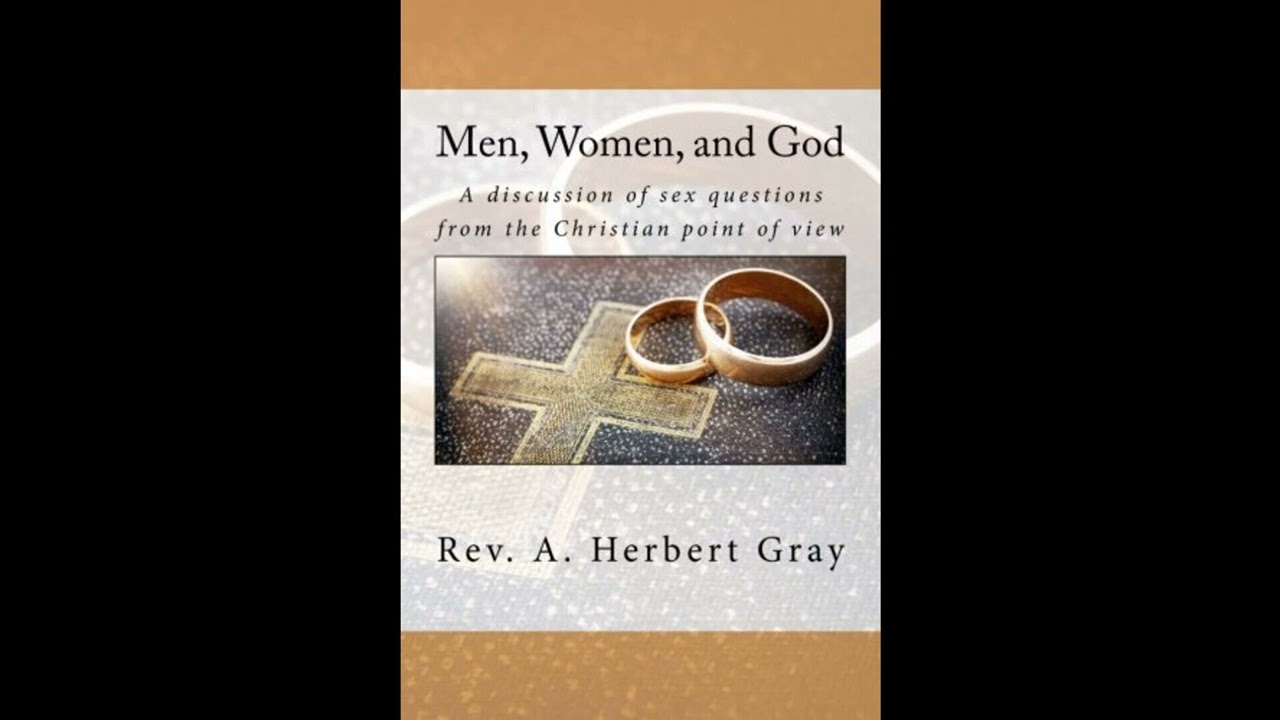
Men, Women, and God: A discussion of sex questions from the Christian point of view
The title alone, "Men, Women, and God: A discussion of sex questions from the Christian point of view," points to the profound yet often fraught intersection of human intimacy and divine command. This anonymously authored classic text offers a thoughtful examination of topics that remain as pertinent now as they were in its original era—relationships, desire, morality, and faith. It functions not merely as a historical document but as an enduring invitation to consider the foundational principles guiding human conduct in the most personal spheres of life. For anyone seeking to understand the historical framework of Christian ethical thought on gender and sexuality, or simply to gain perspective on how such fundamental issues have been grappled with across generations, this audiobook presents an illuminating listen. It bridges past wisdom and present dilemmas, reminding us that while societies change, the core human questions of love, purpose, and spiritual integrity persist. This book unfolds as a meticulously structured discourse, moving from broad theological premises to the specific, often delicate, practicalities of human relationships. The discussion commences by establishing the divine origin and sacred nature of humanity and its capacity for connection, laying groundwork on concepts such as the created order, the purpose of marriage, and the inherent differences between men and women as understood through a particular Christian lens. The text acknowledges natural instincts and desires, seeking to place them within a framework of spiritual rectitude. The arc of the text is a progressive unveiling of Christian moral philosophy applied directly to human sexuality, building from foundational tenets concerning creation and human nature, through an examination of specific relational dynamics. As the argument progresses, the focus narrows to a series of specific "sex questions." These are presented as earnest inquiries into real-world ethical quandaries, addressing the challenges of maintaining purity, the responsibilities inherent in marital vows, and the spiritual implications of both thought and action concerning intimacy. It considers the roles and duties assigned to husbands and wives, the dynamics of courtship, and societal expectations within a faith community. The author demonstrates a clear intent to provide guidance, offering reasoned arguments and scriptural interpretations designed to lead the listener toward a particular understanding of godly living, always grounding recommendations in theological reasoning and an earnest desire for spiritual flourishing. The fact that "Men, Women, and God" is presented without an attributed author lends it a unique character, positioning it not as the singular pronouncement of an individual but perhaps as the distillation of collective wisdom or a voice speaking from within a specific theological tradition. Anonymous authorship in such ethical and religious texts is not uncommon, especially in periods where the message’s authority derived more from its inherent truth or scriptural backing than from the personal prestige of its writer. This anonymity might have served several purposes: a demonstration of humility, an attempt to bypass individual scrutiny, or a pragmatic choice to discuss sensitive topics without personal identification in a more conservative social climate. This work stands within a long-standing tradition of Christian ethical treatises—guides for living that have emerged from the practical needs of individuals wrestling with how to live out their faith. From the early Church Fathers through medieval scholastics and reformers, the church has consistently sought to articulate principles for human behavior, particularly in matters of marriage, family, and sexuality. "Men, Women, and God" thus finds its place within this rich intellectual lineage, reflecting an era’s particular concerns and interpretive frameworks while participating in an ongoing conversation about the human condition, the nature of God, and the sacredness of relationships. One central theme running through the discussion is the profound connection between Sexuality and Spirituality. The book consistently frames sexual relationships not merely as biological or social constructs, but as having deep spiritual implications. For example, it outlines how marital intimacy is presented as a reflection of divine union or purpose, emphasizing its sacredness when conducted according to specific precepts. Conversely, the text addresses behaviors perceived as contrary to Christian teaching, describing their potential for spiritual detriment and estrangement from God, reinforcing the idea that one’s intimate life is inextricably linked to one’s spiritual standing. Another significant theme is the articulation of distinct Gender Roles and Responsibilities within a Christian framework. The text often details what it perceives as the unique duties and virtues expected of men and women, particularly within marriage and family structures. It might, for instance, describe the husband’s role as provider and spiritual head, and the wife’s as nurturer and helper, framing these roles as complementary and divinely ordained. This delineation is consistently supported by scriptural references and theological arguments, aiming to show how these roles contribute to the harmony and order of both the domestic sphere and the wider community of faith. This kind of ethical treatise likely emerged during a period of significant social and intellectual ferment, possibly the late 19th or early 20th century, though its "Classic Literature" designation suggests it might even predate that. This was a time when traditional societal structures and religious authority faced increasing scrutiny. Rapid industrialization, evolving scientific understanding—including nascent psychology—and the burgeoning women’s suffrage movement all contributed to a re-evaluation of long-held beliefs about gender, marriage, and personal morality. As societal norms shifted, often away from strict Victorian-era decorum, there would have been a pressing need within religious communities for clear, authoritative guidance on how to navigate these changes while upholding spiritual principles. The book’s focus on "sex questions" suggests it was a response to a perceived challenge to conventional Christian ethics, perhaps addressing concerns about rising divorce rates, changing attitudes towards premarital relations, or early discussions around birth control. Works like "Men, Women, and God" likely served as anchors in a turbulent sea of change, seeking to reinforce what was understood as immutable divine truth amidst a world that seemed increasingly relativistic. It aimed to equip believers with a coherent framework for understanding and practicing Christian sexual ethics, ensuring personal conduct remained aligned with faith in a rapidly modernizing world. Listening to "Men, Women, and God" in audio format offers a unique pathway into its historical arguments and spiritual counsel. The narrator’s thoughtful delivery helps illuminate the nuances of its theological discussions, allowing the listener to absorb complex arguments without the visual distraction of the printed page. Over its several hours of listening time, the pacing invites a measured reflection on each concept and scriptural interpretation, transforming what might otherwise be an academic exercise into a more meditative and personally engaging experience. Pay attention to the clarity of the voice, which often highlights the earnestness with which these foundational questions are posed and answered. The spoken word allows the original author’s intended persuasive tone, reminiscent of a sermon or scholarly lecture, to come through, bringing a historical discussion right into the present moment for a new generation of listeners.
Enjoyed Men, Women, and God: A discussion of sex questions from the Christian point of view? A few ways to support us
Audible & Amazon links are affiliate; we may earn a small commission at no extra cost.
About this production
Human narration by a volunteer reader from LibriVox.org, the public-domain audiobook project. LibriVox volunteers record literary works whose copyright has expired in the United States, releasing the resulting recordings into the public domain.
Men, Women, and God: A discussion of sex questions from the Christian point of view. The underlying text is in the U.S. public domain. We do not republish any modern copyrighted edition, translation, or commentary.
The 4K cinematic visuals accompanying this audiobook are generated by an AI image model from prompts derived from the source text. No copyrighted photos, paintings, or stock footage are used. AI generation is disclosed on every video on our YouTube channel as required by YouTube's altered/synthetic content policy.
English subtitles are transcribed from the LibriVox recording with OpenAI Whisper. Translations into the 11 other supported languages are produced by Meta's NLLB-200 neural translation model. No human translator's copyrighted translation is used.
Questions about sourcing or rights? See our DMCA & Sourcing policy or contact us.
Enjoyed this audiobook?
If you'd like to own a copy of Men, Women, and God: A discussion of sex questions from the Christian point of view or hear a professionally produced edition, the links below help support free audiobook production at no extra cost to you.
As an Amazon Associate we earn from qualifying purchases. Audible / print links are affiliate.