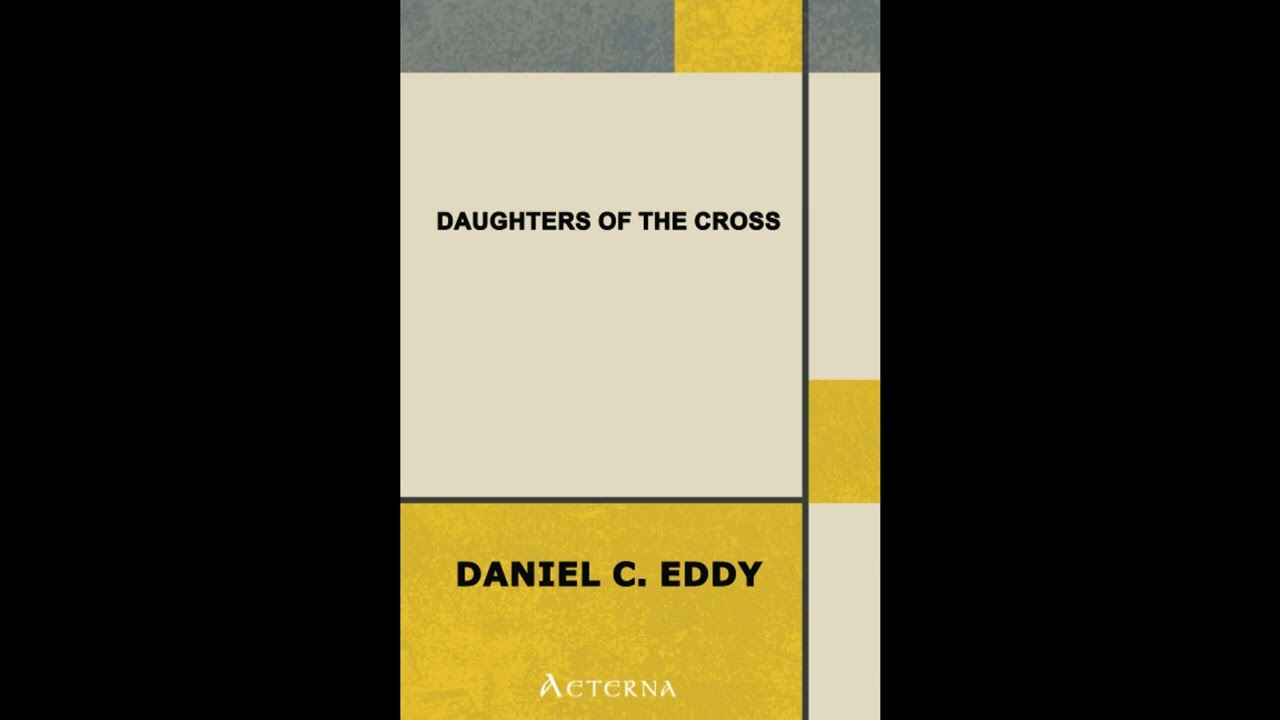
Daughters of the Cross: or Woman's Mission
In a world grappling with ever-shifting expectations for women, where the very definitions of duty, strength, and purpose are constantly debated, a voice from the past offers a surprisingly potent reflection. Daniel C. Eddy's Daughters of the Cross: or Woman's Mission stands as a cultural artifact, a literary mirror held up to a specific historical moment, yet its central questions echo in our present day: What defines a woman's true mission? How does faith intersect with the trials of daily life? And what enduring virtues sustain the spirit through hardship? This isn't just an old book; it’s a portal to understanding the foundations of many contemporary conversations about gender roles, personal sacrifice, and the enduring power of conviction. Through a series of compelling narratives and reflective essays, Daughters of the Cross unfolds a vision of ideal womanhood rooted in Christian principles and domestic virtues. The work introduces listeners to a spectrum of female characters, each facing unique struggles and triumphs within the confines of their homes and communities. We meet young women navigating the complexities of courtship and marriage, making choices that will define their future spiritual and social standing. We encounter mothers striving to instill piety and moral fortitude in their children, often in the face of societal temptations or personal sorrow. There are also portrayals of single women, widows, and those confronting illness or poverty, all demonstrating resilience and unwavering faith in their assigned roles. Eddy's characters, whether fictionalized or drawn from observation, embody the prevailing societal expectations of their era, yet they are not without agency. Their internal struggles involve reconciling personal desires with perceived divine or societal mandates. A young woman might wrestle with the choice between a seemingly advantageous marriage and one that promises greater spiritual compatibility. A wife might endure a husband's hardships with grace and fortitude, finding her "mission" in quiet support and unwavering devotion. The overarching arc of the narratives centers on the gradual realization and acceptance of one's sacred duty, typically expressed through self-denial, acts of charity, and the cultivation of a deeply spiritual inner life, ultimately leading to a profound sense of purpose and divine blessing. Daniel C. Eddy, born in Lowell, Massachusetts, in 1823, was a prominent American Baptist minister, prolific author, and editor during the nineteenth century. After graduating from Brown University, Eddy dedicated his life to the church, serving as pastor in several significant congregations across Philadelphia, Boston, and Brooklyn. His influential sermons and writings made him a well-known figure in the religious circles of his time. Beyond his pastoral duties, Eddy held the esteemed position of editor for "The Youth's Penny Gazette," a popular periodical aimed at moral instruction for young readers. Eddy's literary output was extensive, primarily focusing on didactic works designed to guide individuals—particularly youth and women—in living a virtuous Christian life. He penned a popular children's series known as "The Percy Family" and authored numerous other books that blended moral instruction with engaging narratives, such as "Walter's Tour in the East" and "The Young Man's Friend." His work The Angel in the House, though sharing a title with Coventry Patmore's famous poem, pursued similar themes of idealized domestic womanhood from a distinctly American evangelical perspective. Eddy's contribution to the canon lies not in groundbreaking literary innovation, but rather in his powerful articulation of prevailing social and religious ideals for a wide, receptive audience. He represented a significant strain of popular Christian literature that shaped American moral thought in the mid-to-late 19th century. At its core, Daughters of the Cross enacts several foundational themes. Piety and faith stand paramount, illustrated through characters who find solace, strength, and direction in prayer and scriptural adherence amidst various trials. One narrative might feature a woman facing the loss of a child, her grief tempered and ultimately transcended by her unwavering trust in divine providence, offering a model of spiritual resilience. Another central theme is self-sacrifice and duty, often manifested in women prioritizing the needs of their families, communities, or the church above personal comfort or ambition. A scene might depict a young woman foregoing personal aspirations to care for ailing parents, demonstrating a quiet heroism born of love and obligation. Domesticity and motherhood also receive profound emphasis, positioning the home as the primary sphere of a woman's influence and the wellspring of moral instruction. The book celebrates the mother as the spiritual architect of the household, shaping the characters of future generations through gentle guidance and unwavering example. The virtue of resignation, or strength found in accepting one’s lot with grace and fortitude, is another recurring motif. Characters learn to embrace their circumstances—be it poverty, illness, or societal constraints—not as limitations, but as opportunities for spiritual growth and to manifest Christian virtues, proving that true strength often resides in quiet endurance rather than overt action. This work emerged during a fascinating and complex period in American history: the mid-to-late 19th century, roughly spanning the Antebellum era through Reconstruction. It was a time of immense social and political upheaval, including westward expansion, industrialization, and the Civil War, all of which challenged traditional ways of life. Culturally, the concept of "True Womanhood" or the "Cult of Domesticity" was ascendant, defining women's ideal roles as guardians of morality, piety, purity, and submissiveness within the private sphere of the home. This era also saw the rise of numerous women's benevolent societies and reform movements, often led by women who, paradoxically, extended their domestic virtues into public service. Daughters of the Cross served as both a reflection and a reinforcement of these societal norms, providing moral instruction and emotional validation for women seeking purpose within these defined boundaries, offering spiritual guidance in a rapidly changing world. Listening to Daughters of the Cross as an audiobook offers a singular opportunity to immerse oneself in the rhythms and sensibilities of a bygone era. The several hours of narration provide ample space for the listener to absorb the period language and the gentle, reflective tone that characterizes Eddy’s writing. A skilled narrator can bring out the quiet dignity and steadfast resolve of these "daughters," allowing their virtues and struggles to resonate with clarity. Listen for the subtle inflections in dialogue that convey deep conviction or moments of quiet pathos. The pacing, often deliberate, encourages contemplation, inviting you to reflect on the moral lessons woven into each narrative and essay. It’s an experience that transcends mere historical curiosity, offering a chance to hear the very atmosphere of 19th-century spiritual guidance and social expectation, transforming the act of listening into an act of historical empathy.
Enjoyed Daughters of the Cross: or Woman's Mission? A few ways to support us
Audible & Amazon links are affiliate; we may earn a small commission at no extra cost.
About this production
Human narration by a volunteer reader from LibriVox.org, the public-domain audiobook project. LibriVox volunteers record literary works whose copyright has expired in the United States, releasing the resulting recordings into the public domain.
Daughters of the Cross: or Woman's Mission by Daniel C. Eddy. The underlying text is in the U.S. public domain. We do not republish any modern copyrighted edition, translation, or commentary.
The 4K cinematic visuals accompanying this audiobook are generated by an AI image model from prompts derived from the source text. No copyrighted photos, paintings, or stock footage are used. AI generation is disclosed on every video on our YouTube channel as required by YouTube's altered/synthetic content policy.
English subtitles are transcribed from the LibriVox recording with OpenAI Whisper. Translations into the 11 other supported languages are produced by Meta's NLLB-200 neural translation model. No human translator's copyrighted translation is used.
Questions about sourcing or rights? See our DMCA & Sourcing policy or contact us.
Enjoyed this audiobook?
If you'd like to own a copy of Daughters of the Cross: or Woman's Mission or hear a professionally produced edition, the links below help support free audiobook production at no extra cost to you.
As an Amazon Associate we earn from qualifying purchases. Audible / print links are affiliate.