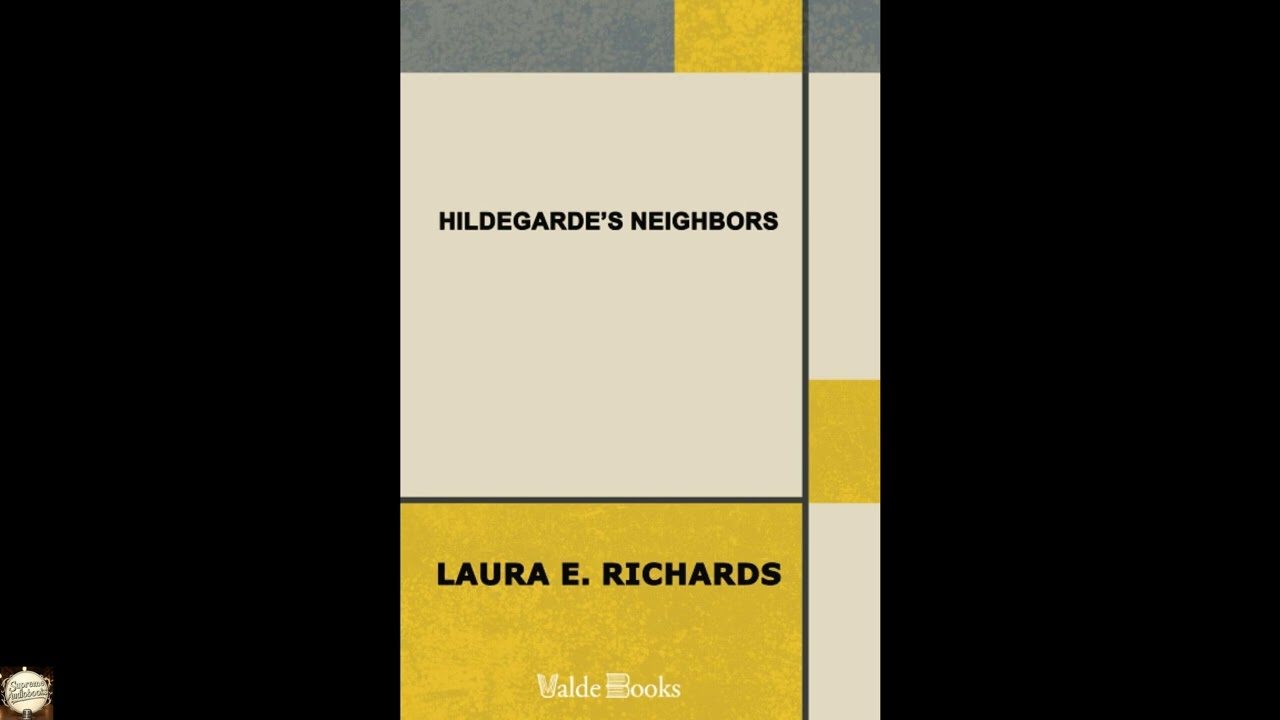
Hildegarde's Neighbors
Step into a world of gentle charm and enduring values with Laura Elizabeth Richards' Hildegarde's Neighbors, a beloved classic that offers a comforting respite from the complexities of modern life. This audiobook invites listeners to rediscover the simple yet profound lessons of human connection, kindness, and community through the eyes of a spirited young woman. At its heart, the book is a testament to the quiet strength found in everyday interactions and the transformative power of a compassionate spirit. It's a reminder that even in seemingly ordinary lives, there is extraordinary potential for growth, understanding, and the building of lasting bonds, making it a soothing and uplifting listen for anyone seeking solace and reflection today. The story introduces us once more to Hildegarde Grahame, a character cherished by generations of readers, as she navigates the rhythms of life in her quiet New England home. Having matured somewhat since her earlier adventures, Hildegarde now finds herself increasingly aware of the world beyond her immediate family, particularly the individuals who make up her small, close-knit community. The narrative unfolds as a series of encounters and observations, detailing Hildegarde's interactions with various new arrivals and long-standing residents in her picturesque surroundings. These neighbors, each with their own quirks, challenges, and hidden virtues, present Hildegarde with opportunities to practice empathy, patience, and true neighborliness. The central narrative arc follows Hildegarde as she learns to look beyond superficial appearances and initial impressions, discovering the genuine hearts and compelling backstories of those around her. From the seemingly gruff individual who harbors a secret tenderness, to the shy newcomer struggling to find her place, Hildegarde’s journey is one of quiet revelation. She becomes a bridge between different personalities, sometimes mediating minor misunderstandings, other times simply offering a kind word or a helping hand. The story culminates not in dramatic conflict, but in the subtle yet significant strengthening of community ties, demonstrating how individual acts of goodwill can weave together to create a supportive and harmonious environment, ultimately enriching Hildegarde's own understanding of the world and her place within it. Laura Elizabeth Richards, born in Boston in 1850, was a remarkable literary figure whose life was steeped in intellectual and philanthropic endeavors. She was the daughter of two iconic Americans: Julia Ward Howe, who penned "The Battle Hymn of the Republic," and Samuel Gridley Howe, a distinguished physician, educator, and abolitionist. Growing up in this vibrant household, surrounded by luminaries like Charles Dickens and Ralph Waldo Emerson, undoubtedly shaped Richards' literary sensibilities and her deep commitment to moral clarity and social uplift. After her marriage to Henry Richards, she moved to Gardiner, Maine, a place that would become the setting and inspiration for much of her prolific output. Richards was an astonishingly productive author, writing over ninety books throughout her career, which spanned from the 1870s until her death in 1943. While widely acclaimed for her children's fiction, including the Hildegarde series, the Captain January series, and The Merryweathers, she also distinguished herself as a biographer and poet. Her literary style was characterized by its warmth, humor, and gentle didacticism, often weaving lessons of character, kindness, and perseverance into engaging narratives. Her place in the American literary canon is primarily within the realm of children's and domestic literature of the late nineteenth and early twentieth centuries, where her stories served as wholesome yet entertaining guides for young readers navigating the complexities of their own moral development. At its core, Hildegarde's Neighbors enacts several significant themes that resonate deeply even today. One prominent theme is the importance of community and connection, shown through Hildegarde’s active engagement with the people living near her. Instead of retreating into her own world, she consistently reaches out, whether through simple visits, shared meals, or acts of practical assistance, demonstrating that a true community is built not just on proximity but on mutual support and genuine interest in one another's well-being. Another key theme is empathy and understanding, as Hildegarde often encounters individuals who might initially seem peculiar or difficult. For instance, a new neighbor who appears aloof eventually reveals a shy nature and a hidden talent, which Hildegarde helps bring to light, thus teaching both herself and the reader the value of looking beyond surface impressions. The book also subtly emphasizes personal growth through service and the quiet power of kindness. Hildegarde, though already a good-hearted young woman, matures further by consistently choosing to engage with her neighbors' needs and challenges. Whether she is comforting a lonely elder or helping a family through a minor crisis, her actions illustrate how thoughtful consideration and small acts of generosity can create ripples of positive change, not only for those receiving help but for the giver as well. Through these interactions, the narrative reinforces the idea that true contentment and a sense of purpose are often found in contributing positively to the lives of others, fostering a sense of shared humanity that transcends individual differences. The late nineteenth and early twentieth centuries, the period when Laura Elizabeth Richards was most active, was a time of significant cultural shifts in America. Following the Civil War, the nation experienced rapid industrialization, urbanization, and the rise of a distinct middle class. This era also saw a boom in children's literature, driven by a growing recognition of childhood as a distinct developmental stage and a desire for literature that would both entertain and morally instruct young readers. Many authors, like Richards, aimed to provide stories that reinforced traditional virtues, celebrated rural life as an antidote to urban anxieties, and emphasized the importance of character formation, familial bonds, and community responsibility. Hildegarde's Neighbors emerged from this cultural landscape, serving as a wholesome counterpoint to the era's rapid changes, offering a vision of enduring values and stable social structures in a world that was becoming increasingly complex. Listening to Hildegarde's Neighbors as an audiobook offers a particularly immersive and soothing experience. The "several hours" run time makes it ideal for sustained listening during commutes, quiet evenings at home, or long walks through nature. A skilled narrator breathes life into Hildegarde and her diverse neighbors, giving distinct voices to each character, from the wise and elderly to the vivacious and youthful. Listen for the gentle pacing, which mirrors the unhurried flow of life in the story's setting, allowing the listener to truly savor the carefully crafted dialogue and the nuanced emotional landscape. The atmospheric descriptions, when read aloud, transport you directly into Hildegarde’s world, creating a comforting sense of presence that underscores the book's timeless message about the enduring warmth of human connection.
Enjoyed Hildegarde's Neighbors? A few ways to support us
Audible & Amazon links are affiliate; we may earn a small commission at no extra cost.
About this production
Human narration by a volunteer reader from LibriVox.org, the public-domain audiobook project. LibriVox volunteers record literary works whose copyright has expired in the United States, releasing the resulting recordings into the public domain.
Hildegarde's Neighbors by Laura Elizabeth Richards. The underlying text is in the U.S. public domain. We do not republish any modern copyrighted edition, translation, or commentary.
The 4K cinematic visuals accompanying this audiobook are generated by an AI image model from prompts derived from the source text. No copyrighted photos, paintings, or stock footage are used. AI generation is disclosed on every video on our YouTube channel as required by YouTube's altered/synthetic content policy.
English subtitles are transcribed from the LibriVox recording with OpenAI Whisper. Translations into the 11 other supported languages are produced by Meta's NLLB-200 neural translation model. No human translator's copyrighted translation is used.
Questions about sourcing or rights? See our DMCA & Sourcing policy or contact us.
Enjoyed this audiobook?
If you'd like to own a copy of Hildegarde's Neighbors or hear a professionally produced edition, the links below help support free audiobook production at no extra cost to you.
As an Amazon Associate we earn from qualifying purchases. Audible / print links are affiliate.