Harlequin and Columbine
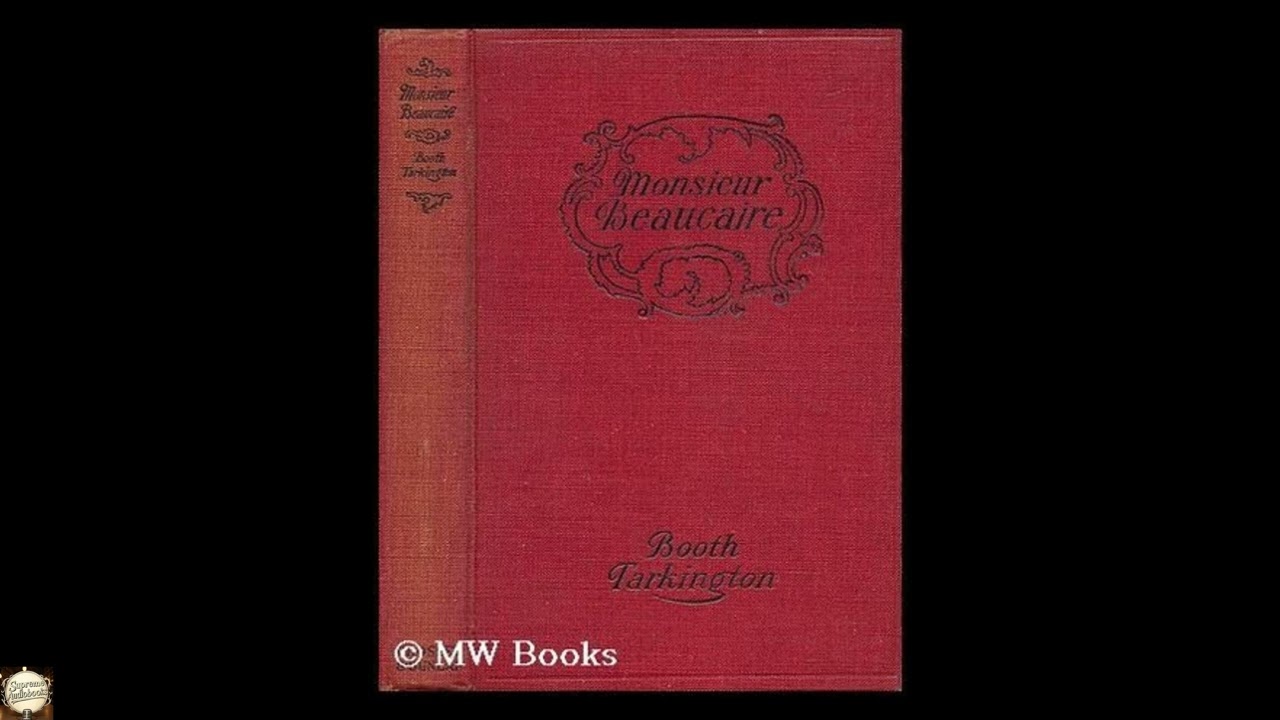
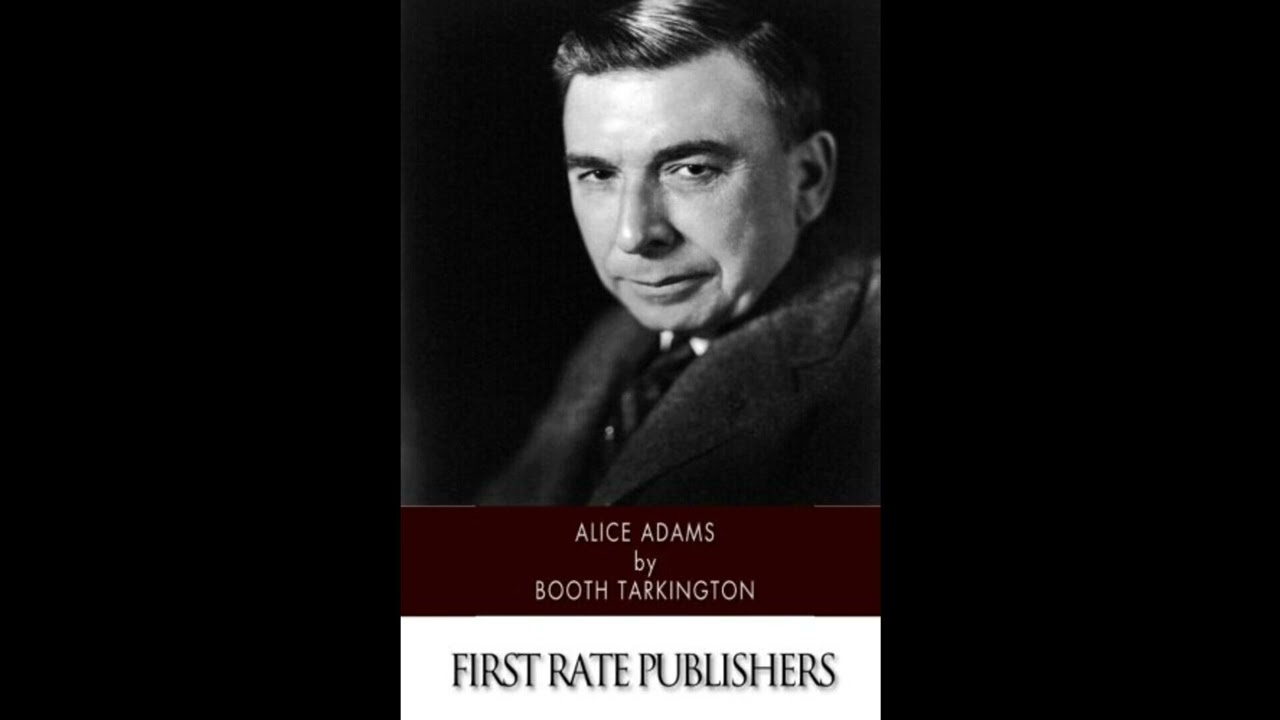
Step into a world where the spotlight never quite fades, even in the quiet moments of life, with Booth Tarkington's Harlequin and Columbine. This elegant novella offers a poignant and often humorous examination of love, identity, and the roles we play—both for ourselves and for others. In an era fascinated by appearances and the elusive nature of authenticity, Tarkington’s story resonates with a peculiar freshness, inviting us to consider whether true affection can truly blossom when one’s very being is a performance. It’s a delicate dance between façade and genuine feeling, reminding us that even the most whimsical masks can conceal deeply human hearts. The story introduces us to a world where two individuals, a young man and a young woman, find themselves drawn to each other not merely through personal magnetism, but through an almost theatrical understanding of their connection. He is the charming, often mischievous Harlequin, and she, the graceful, sometimes ethereal Columbine. Their romance unfolds against a backdrop that feels both quaintly specific to early twentieth-century America and broadly universal in its depiction of nascent love. They meet in circumstances that seem to invite a certain degree of play-acting, a shared delight in wit and flirtation that elevates their interactions beyond the mundane. Yet, as their affection deepens, the question inevitably arises: are they truly in love with each other, or with the delightful roles they have adopted? The central conflict arises when the demands of real life begin to press against the boundaries of their idyllic, performed romance. Friends and family, with their conventional expectations and often brutally honest observations, serve as a kind of audience, challenging the pair to step off the stage and confront the less dramatic, more complex realities of a lasting relationship. The charm and whimsicality that initially drew Harlequin and Columbine together must either adapt to the unvarnished light of everyday existence or shatter under its scrutiny. As their story progresses, the characters are forced to choose between the comfortable artifice they’ve created and the uncertain, perhaps less glamorous, path of genuine intimacy. The narrative cleverly builds tension around whether their love can transcend the very theatricality that defines its beginnings, leading listeners through moments of tender realization and awkward self-discovery, all without revealing the ultimate resolution of their romantic dilemma. Booth Tarkington, born in Indianapolis, Indiana, in 1869, became one of America's most beloved and commercially successful authors of the early twentieth century. Educated at Purdue University and Princeton, Tarkington found his voice portraying the changing landscape of American life, particularly the Midwestern experience. He began his writing career amidst the Gilded Age, but his most significant works emerged as America transitioned into modernity, navigating the social and economic shifts of the Progressive Era and the Roaring Twenties. His acute observations of character, often laced with a gentle irony and deep empathy, earned him widespread acclaim. Tarkington was a prolific writer, known for novels like The Gentleman from Indiana and Monsieur Beaucaire, but he achieved lasting literary prominence with his "Growth" trilogy: The Magnificent Ambersons, Alice Adams, and The Midlander. The Magnificent Ambersons, a poignant chronicle of an aristocratic family's decline in the face of industrialization, won him a Pulitzer Prize in 1919. He earned a second Pulitzer in 1922 for Alice Adams, a perceptive study of a young woman struggling against the social constraints of her small town. Beyond his serious fiction, he also charmed generations with his humorous tales of boyhood, such as Penrod and Seventeen. Tarkington's unique position in the American literary canon stems from his ability to bridge the gap between late-Victorian sentimentality and emerging realism, capturing the nuances of an America grappling with progress, often with a wistful look at what was being lost. He passed away in 1946, leaving behind a body of work that continues to illuminate the American character. Harlequin and Columbine enacts several enduring themes, most prominently the interplay between illusion and reality. From the moment the characters adopt their evocative names, they create an idealized version of their romance, a world of wit and elegance that serves as a beautiful but ultimately fragile shield against the mundane. We witness this tension, for example, in early scenes where their conversations are not simply exchanges of information but carefully constructed dialogues, designed to charm and impress, mirroring a stage performance. Another powerful theme is the nature of identity and performance; the story questions whether our true selves can ever be fully known or if we are always, to some degree, playing a role. This is vividly portrayed as one of the characters occasionally tries to shed their "stage persona" only to find the other, or indeed themselves, more comfortable with the established act, highlighting the difficulty of maintaining authenticity when a delightful fiction has taken root. The novella also subtly addresses the pressure of societal expectations and conventions. The world outside the lovers' personal theatre—represented by their friends and family—offers a stark contrast to their romanticized bubble. These secondary characters often voice more pragmatic, conventional views on love and marriage, challenging the Harlequin and Columbine figures to reconcile their theatrical romance with the demands of respectable society. This creates moments where the characters must decide if their unique bond can withstand the scrutiny of conventional wisdom or if they will succumb to the desire for acceptance. Finally, the narrative thoughtfully explores the very definition of love itself. Is a love built on shared fantasy and mutual performance less real than one grounded in ordinary affection? Tarkington’s skillful prose offers no easy answers, instead inviting contemplation on the many forms and facets that human connection can take. This particular work emerged during a fascinating period in American history, generally aligning with the early decades of the twentieth century—a time of immense cultural and social transformation. The era saw the waning of Victorian sensibilities and the rise of a more modern, individualistic outlook. America was rapidly industrializing and urbanizing, leading to shifts in social hierarchies and gender roles. Women were increasingly seeking independence, and the traditional structures of courtship and marriage were being re-examined. Tarkington’s stories often reflected these changes, capturing the anxieties and aspirations of a society in flux. Simultaneously, the literary world was experiencing its own revolution, with realism and naturalism gaining ground against earlier romantic traditions. Tarkington, while rooted in a more traditional narrative style, nevertheless observed and commented on these modern shifts with keen insight, offering readers a bridge between the comforting familiarity of the past and the exhilarating, sometimes bewildering, possibilities of the future. His work allowed for an exploration of individual lives against the backdrop of an evolving nation, making this story a quiet commentary on the personal impact of broader societal change. Listening to Harlequin and Columbine as an audiobook offers a unique opportunity to appreciate Tarkington’s nuanced writing and the delicate balance he strikes between humor and pathos. The run length, several hours, makes it perfect for extended listening sessions, perhaps while commuting, working on a quiet project, or simply relaxing at home. A skilled narrator brings the distinct personalities of Harlequin and Columbine to life, emphasizing the subtle shifts in their voices as they move between their public personas and moments of private vulnerability. Listen for the pacing in the dialogue—the quick, witty exchanges that define their early romance contrasting with slower, more reflective moments when reality intrudes. A good narration highlights the atmospheric descriptions and the emotional undertones, allowing listeners to fully immerse themselves in the bittersweet charm of their story. The interplay of voices will underscore the inherent theatricality of the characters’ relationship, making their struggles with identity and authenticity even more resonant through the power of sound.
Enjoyed Harlequin and Columbine? A few ways to support us
Audible & Amazon links are affiliate; we may earn a small commission at no extra cost.
About this production
Human narration by a volunteer reader from LibriVox.org, the public-domain audiobook project. LibriVox volunteers record literary works whose copyright has expired in the United States, releasing the resulting recordings into the public domain.
Harlequin and Columbine by Booth Tarkington. The underlying text is in the U.S. public domain. We do not republish any modern copyrighted edition, translation, or commentary.
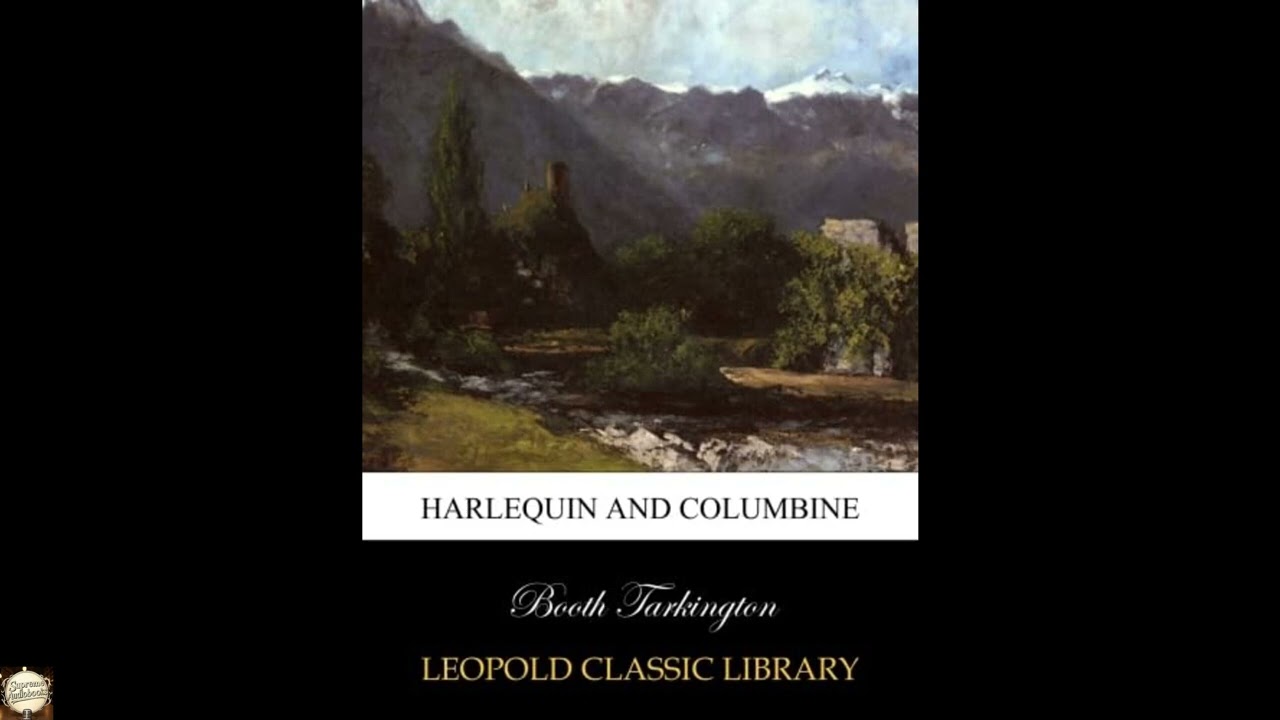
The 4K cinematic visuals accompanying this audiobook are generated by an AI image model from prompts derived from the source text. No copyrighted photos, paintings, or stock footage are used. AI generation is disclosed on every video on our YouTube channel as required by YouTube's altered/synthetic content policy.
English subtitles are transcribed from the LibriVox recording with OpenAI Whisper. Translations into the 11 other supported languages are produced by Meta's NLLB-200 neural translation model. No human translator's copyrighted translation is used.
Questions about sourcing or rights? See our DMCA & Sourcing policy or contact us.
Enjoyed this audiobook?
If you'd like to own a copy of Harlequin and Columbine or hear a professionally produced edition, the links below help support free audiobook production at no extra cost to you.
As an Amazon Associate we earn from qualifying purchases. Audible / print links are affiliate.