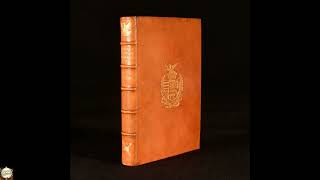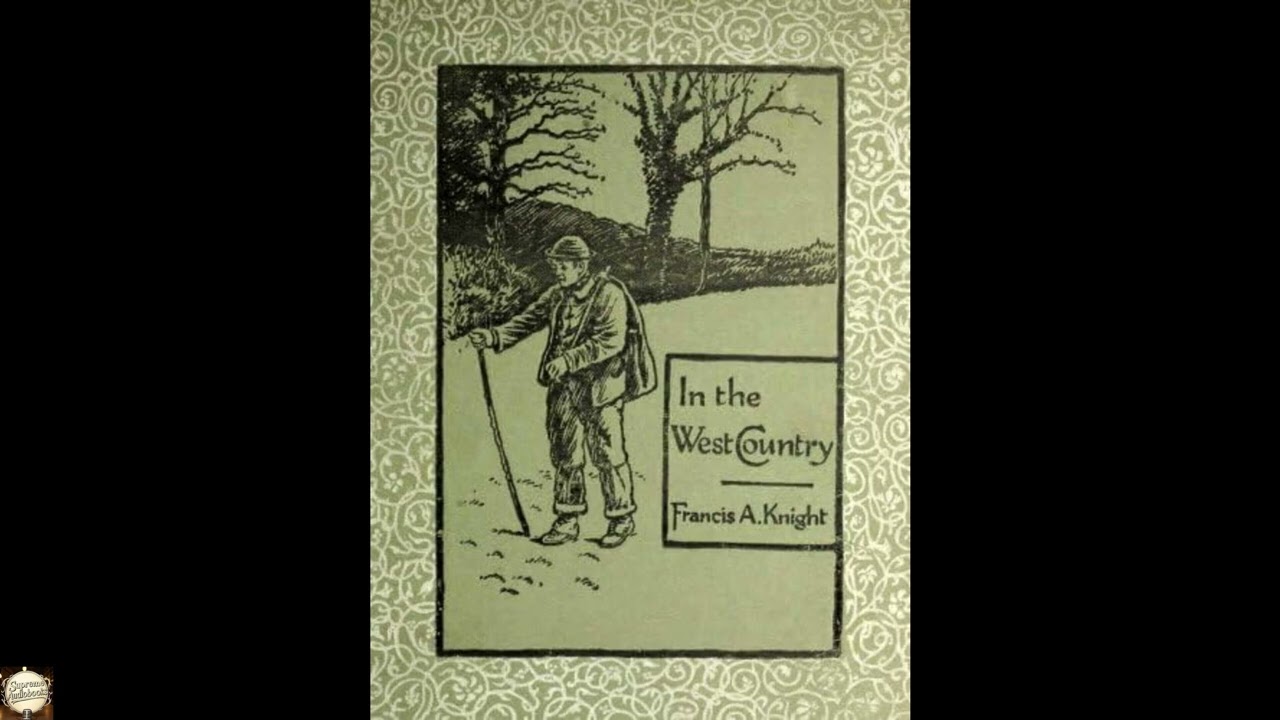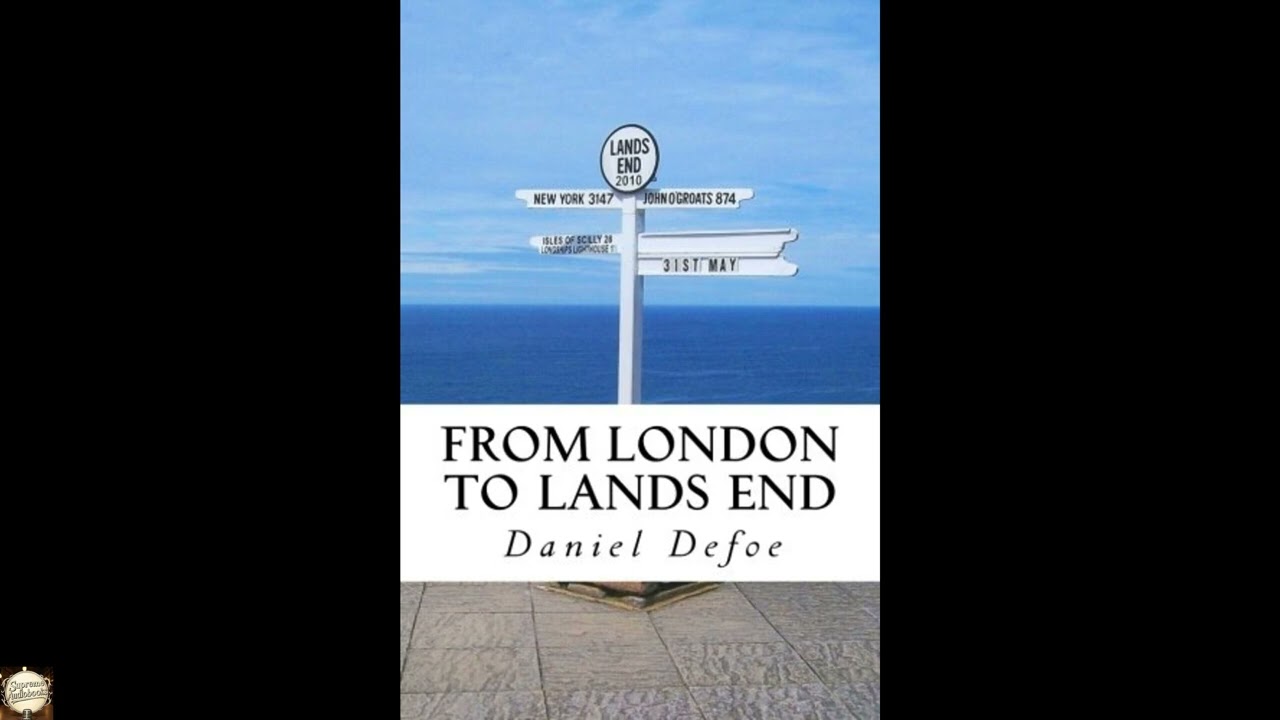
From London to Lands End: and two Letters from the Journey through England
From London to Lands End: and two Letters from the Journey through England offers listeners a singular window into an England both familiar and wonderfully remote. It is more than a simple chronicle of distances covered; it is an intimate and often profound meditation on place, character, and the very act of observation. Why should we care about a seemingly straightforward account of travel from the nation's bustling capital to its wild southwestern tip, penned in an era far removed from our own? Because the human experience of encountering the unknown, of finding beauty in the overlooked, and of reflecting on one's own changing perspective amidst the constant shift of scenery, remains profoundly resonant. This audiobook invites us to slow down, to notice the details, and to consider what it means to truly see a country — and oneself — through fresh eyes. The narrative commences, as one might expect, in the throbbing heart of London, a city then, as now, a nexus of commerce, culture, and countless human stories. Our narrator, whose personal motivations for this extended excursion are gradually revealed through their observations, sets out not with a predetermined itinerary rigid in its demands, but with an open spirit, eager to absorb the shifting panoramas of the English countryside. The early stages of the account are colored by the bustling towns and cultivated fields of the Home Counties, often seen from the window of a stagecoach or from a gentle rise overlooking a river valley. There are fleeting encounters with innkeepers, fellow travelers, and rural laborers, each interaction adding a brushstroke to the emerging portrait of England beyond the metropolis. As the narrative progresses westward, the landscape itself becomes a central character. The flat plains give way to the rolling hills of Wiltshire, the ancient stones of Salisbury Plain, and eventually the more rugged, often windswept expanses of Devon and Cornwall. The narrator details the subtle changes in dialect, architecture, and local custom, painting a vivid picture of regional identities that were perhaps more distinct in that period. The core of the story is not a dramatic external conflict, but an internal one: the continuous process of understanding, of contrasting expectation with reality, and of finding personal meaning in the varied vistas. The two interspersed letters, penned at critical junctures, serve as deeply personal digressions, offering unfiltered thoughts and emotions that illuminate the narrator's inner world even further. While the precise identity of "a Gen," the author behind this evocative account, remains a subject of literary consideration, the work itself stands firmly within a cherished tradition of English travel writing. In an era when domestic tourism was gaining traction among those with leisure and means, and before the widespread advent of modern transportation made such extensive trips commonplace, writers often turned their gaze inward, toward their own country. These authors sought to catalogue, to understand, and often to celebrate the unique character of their homeland. This particular narrative shares a spirit with the detailed observations of naturalists and local historians, yet it is infused with a more personal, reflective tone that elevates it beyond mere reportage. The anonymous nature of the author allows the text to speak with a universal voice, inviting listeners to project themselves into the experience of discovery. It reminds us of a time when the character of a place was often gleaned from direct experience, from the sound of its birds, the smell of its soil, and the cadence of its local speech, rather than from pre-packaged guides. The author's place in the broader literary canon is secured not by a personal biography, but by the enduring quality of their prose and the insights offered into a moment in time and a geographical space that continues to hold fascination. The meticulous detail and contemplative style confirm its status as a significant contribution to the literature of place. At its heart, From London to Lands End enacts several profound themes. One prominent thread is the observation of nature and landscape, not merely as static backdrops, but as dynamic forces shaping human experience and national identity. The narrator's meticulous descriptions of the changing coastline as they near Cornwall, for instance, capture the raw power of the ocean and the tenacity of life clinging to the cliffs, illustrating how geographical features instill a distinct character in the people and settlements nestled within them. Another compelling theme is the contemplation of solitude and human connection. The solitary moments of reflection while traversing a lonely moor are balanced by the fleeting but often insightful interactions at coaching inns or wayside cottages. A scene describing a chance conversation with a fisherman in a Cornish village, sharing stories over a simple meal, beautifully demonstrates the human need for connection even amidst personal introspection. A third significant theme is the evolution of England and the preservation of tradition. As the narrator moves from the industrializing centers toward the more agrarian and remote west, they often muse on the encroachment of modernity versus the enduring customs of rural life. One poignant example might be the contrast drawn between the bustling, technologically advancing docks of Plymouth and the ancient, unchanging rhythms of farming life observed in a sleepy village further west, prompting reflection on what is gained and lost with progress. Furthermore, the very structure of the narrative, interspersed with personal letters, highlights the theme of intimacy and self-disclosure. These letters serve not just as updates to an unseen correspondent, but as unfiltered dispatches from the narrator’s inner world, offering glimpses of vulnerability, doubt, and moments of profound joy that might otherwise remain unarticulated in the more formal travelogue passages. This work emerged during a fascinating period in English history, likely the nineteenth century, when the country was undergoing significant transformation. The Napoleonic Wars were a recent memory, and Britain was solidifying its global influence through industrial expansion and colonial ambition. Domestically, the expansion of the turnpike road system and the nascent railway network were beginning to reshape how people moved and perceived distances within the island. This era also saw a burgeoning interest in British identity, with a growing romanticization of the natural landscape and a scholarly appreciation for local customs and folklore, often viewed through the lens of national pride. From London to Lands End slots perfectly into this cultural moment, reflecting both the practicalities of travel in a pre-automobile age and the intellectual curiosity driving educated individuals to document their surroundings. It represents a desire to understand the whole of England, from its urban engines of progress to its pastoral heartlands and ancient fringes, at a time when rapid change made such documentation all the more urgent. The book serves as a valuable primary source, offering not only geographical descriptions but also sociological observations of a society in flux, recorded with a keen eye and a thoughtful spirit. Listening to From London to Lands End: and two Letters from the Journey through England as an audiobook offers a unique and highly immersive experience. The narrator’s voice becomes your companion on this leisurely expedition, bringing to life the meticulously observed details of the English landscape, the subtle nuances of period dialogue, and the quiet rhythm of the narrator’s personal reflections. The "several hours" run length is perfectly suited for extended listening sessions, whether you are on your own walks, during commutes, or simply seeking a meditative escape into another time and place. Pay attention to the nuanced pacing, which mirrors the unhurried progress of the journey itself, allowing you to absorb the descriptions of ancient inns, wild moors, and bustling market towns. The atmospheric reading will transport you directly to the side of the road, hearing the clip-clop of hooves, the rustle of leaves, and the murmur of distant conversations, making the passage through England a truly felt experience.
Enjoyed From London to Lands End: and two Letters from the Journey through England? A few ways to support us
Audible & Amazon links are affiliate; we may earn a small commission at no extra cost.
About this production
Human narration by a volunteer reader from LibriVox.org, the public-domain audiobook project. LibriVox volunteers record literary works whose copyright has expired in the United States, releasing the resulting recordings into the public domain.
From London to Lands End: and two Letters from the Journey through England by a Gen. The underlying text is in the U.S. public domain. We do not republish any modern copyrighted edition, translation, or commentary.
The 4K cinematic visuals accompanying this audiobook are generated by an AI image model from prompts derived from the source text. No copyrighted photos, paintings, or stock footage are used. AI generation is disclosed on every video on our YouTube channel as required by YouTube's altered/synthetic content policy.
English subtitles are transcribed from the LibriVox recording with OpenAI Whisper. Translations into the 11 other supported languages are produced by Meta's NLLB-200 neural translation model. No human translator's copyrighted translation is used.
Questions about sourcing or rights? See our DMCA & Sourcing policy or contact us.
Enjoyed this audiobook?
If you'd like to own a copy of From London to Lands End: and two Letters from the Journey through England or hear a professionally produced edition, the links below help support free audiobook production at no extra cost to you.
As an Amazon Associate we earn from qualifying purchases. Audible / print links are affiliate.