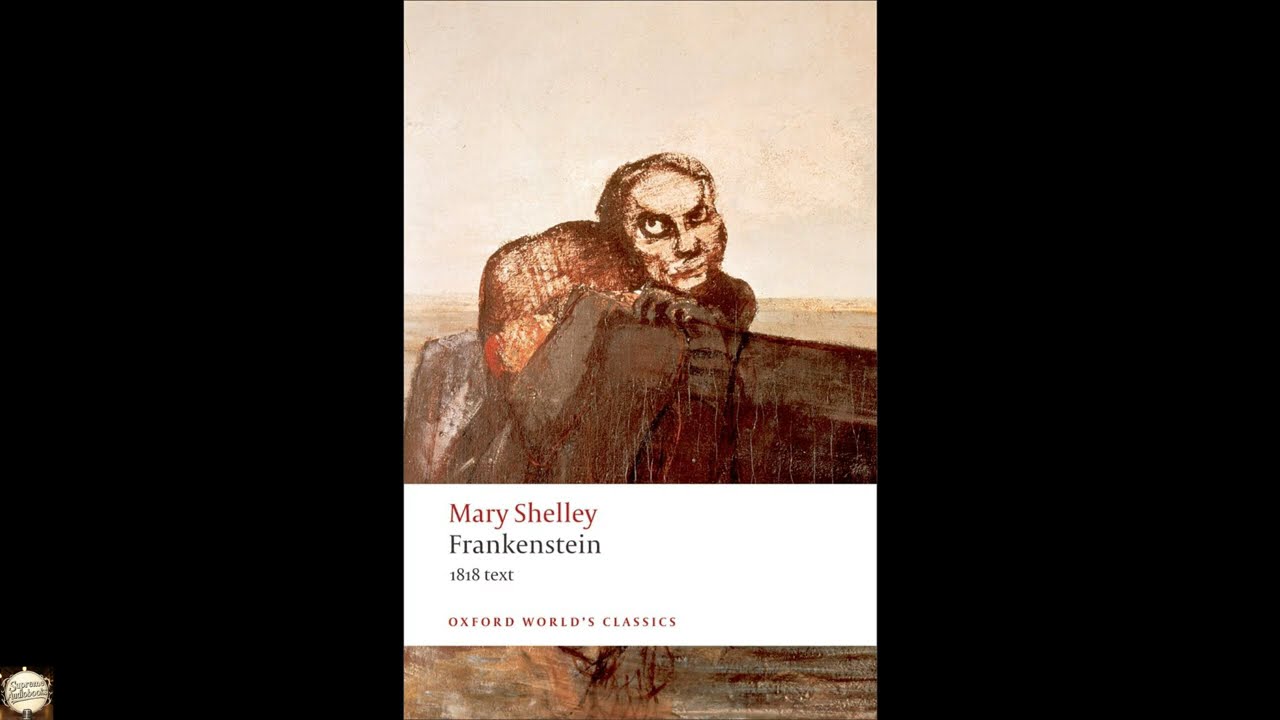
Frankenstein or The Modern Prometheus: The 1818 Text
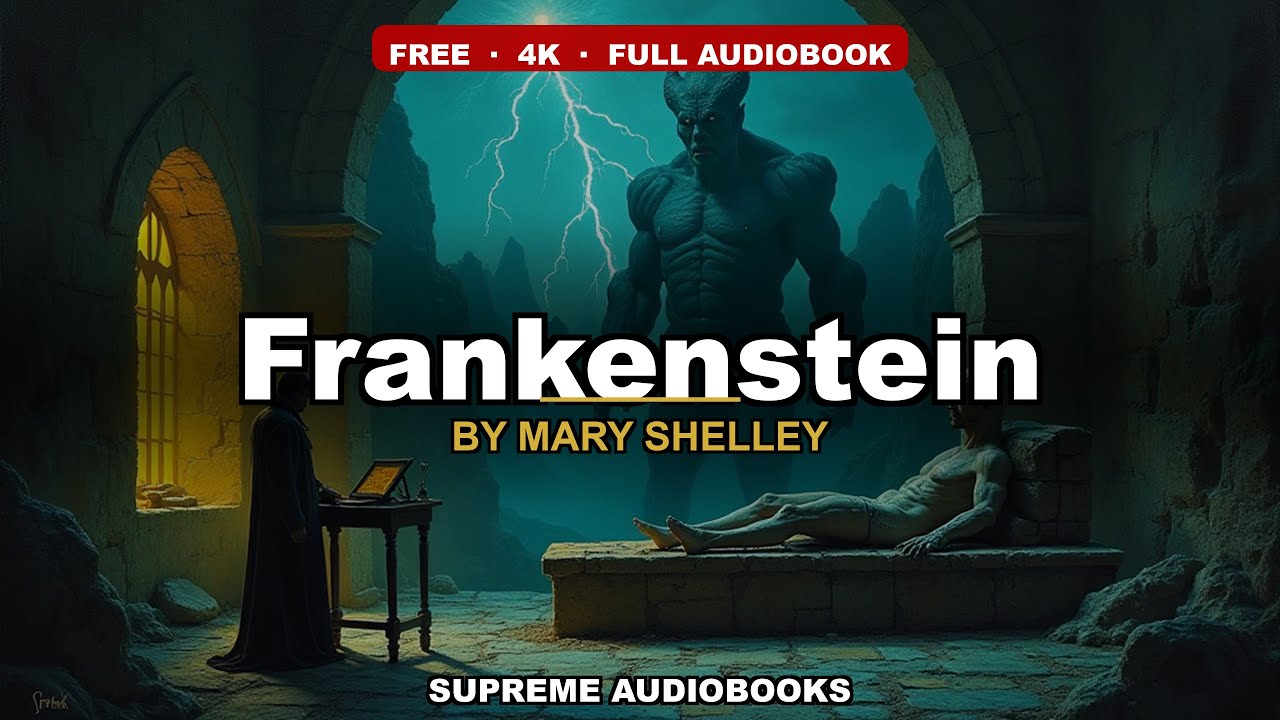
From the chilling solitude of an Arctic ship to the bustling intellectual hubs of European universities, Frankenstein or The Modern Prometheus casts a long shadow over the human imagination, a profound and unsettling narrative that continues to resonate with startling clarity even two centuries after its first appearance. This is more than a horror story; it is a probing examination of ambition, creation, and the profound responsibilities that accompany the quest for knowledge. Long before modern debates about artificial intelligence or genetic engineering, this seminal work dared to ask what happens when humanity oversteps its boundaries, when scientific fervor eclipses ethical consideration, and what it means to be truly human, or truly monstrous. Listening to the 1818 text, in its raw, unadulterated form, offers a direct channel to these urgent questions, inviting us to confront the very foundations of our technological and moral landscape. The story unfolds through a series of nested narratives, beginning with Captain Robert Walton, an ambitious explorer whose ship is trapped in the unforgiving ice of the polar regions. Walton's letters to his sister establish a tone of grand endeavor and isolation, themes that will echo throughout the tale. His ship soon rescues a emaciated and half-frozen man, Victor Frankenstein, who begins to recount a harrowing tale of scientific pursuit and personal catastrophe. Victor, a brilliant student of natural philosophy, becomes obsessed with the secret of life itself. Driven by an insatiable intellectual hunger and a desire to conquer death, he toils in secret, piecing together a being from disparate parts, imbuing it with life through an unknown, scientific means. The moment of creation, however, brings not triumph but immediate revulsion. Victor recoils from his colossal, grotesque creation, abandoning it to a world it neither understands nor is understood by. The creature, a sentient being with a child's innocence and an immense capacity for learning, is left to fend for itself, enduring constant rejection and violence from humanity simply because of its appearance. Through its own poignant narrative, the creature reveals its lonely struggle for survival, its self-education by observing a peasant family, and its dawning comprehension of human kindness—and cruelty. Driven to despair by incessant prejudice and a burning desire for companionship, the creature eventually seeks out its creator, demanding an explanation for its existence and a mate to alleviate its profound solitude, setting in motion a tragic pursuit across continents. The specific 1818 text of Frankenstein or The Modern Prometheus was initially published anonymously, a common practice in the early 19th century, particularly for works that challenged social norms or posed complex philosophical questions. This choice allowed the work to stand on its own merits, fostering immediate public debate about its themes and origin without the preconceptions that an author's identity might bring. The immediate impact of this anonymous publication underscores the potent and universal appeal of the story itself, allowing it to take on an almost mythic quality from its inception. It emerged from an era bubbling with intellectual ferment, where new ideas about science, society, and the individual were constantly being formed and challenged. The work found its footing within the broad currents of Romanticism, a movement that valued intense emotion, the sublime in nature, and the power of individual imagination, often pushing against the rational strictures of the Enlightenment. The anonymous release allowed the novel to be interpreted widely, its profound resonance confirming its significant place in literary history even before its creator's identity became widely known in later editions. At its core, Frankenstein dissects the perilous nature of unchecked ambition and the profound responsibility that creators owe to their creations. Victor Frankenstein's scientific fervor blinds him to the ethical implications of his actions; he builds his being, but utterly fails to parent it, leading directly to tragedy. His abandonment of the creature—a being desperate for connection and understanding—illustrates the chilling consequences of scientific progress devoid of compassion. Another central theme is the devastating impact of prejudice and alienation. The creature, intelligent and sensitive, is repeatedly met with horror and violence purely because of its appearance. Its experiences demonstrate how constant rejection can corrupt innocence, transforming a naturally benevolent being into one driven by vengeance, forcing listeners to question who truly embodies monstrosity. Furthermore, the novel powerfully examines the dynamic between nature and nurture, showing how the creature's environment and the treatment it receives shape its character, fostering both its capacity for tenderness and its eventual descent into violent rage. The narrative also explores the duality of humanity itself, blurring the lines between creator and creation, hero and villain, prompting reflection on the potential for both sublime beauty and terrible darkness within all individuals. This groundbreaking novel emerged from a period of dramatic cultural and scientific upheaval in the late 18th and early 19th centuries. The Industrial Revolution was rapidly transforming society, fostering an optimistic but sometimes reckless belief in human dominion over nature. Scientific breakthroughs, particularly in electricity and anatomy, sparked widespread fascination and speculation about the very nature of life and death—ideas like galvanism, where electric currents were used to stimulate muscle contractions in corpses, fueled public imagination about reanimating the dead. Simultaneously, the rise of Gothic literature, with its focus on the sublime, the supernatural, and the psychological terrors lurking beneath civilized facades, provided a fertile ground for such a story to take root. Politically, the aftermath of the French Revolution had led to intense debates about human rights, justice, and the consequences of radical societal change, all themes that subtly inform the creature's pleas for dignity and retribution. Frankenstein captures the anxieties and excitements of an age grappling with the unforeseen consequences of human ingenuity and societal transformation. Listening to Frankenstein or The Modern Prometheus: The 1818 Text as an audiobook offers a unique and immersive experience, inviting you to fully absorb the story's dense atmosphere and philosophical weight. The "several hours" runtime allows ample space for the narrator to build tension and inhabit the distinct voices of Walton, Victor, and the creature, each possessing their own motivations and perspectives. Pay close attention to the pacing, which can shift from the rapid desperation of a chase to the thoughtful, melancholic reflections on human nature. The carefully chosen voice for each character brings their inner turmoil and their eloquent—or desperate—dialogue to life, particularly the creature's surprisingly articulate expressions of sorrow and injustice. This spoken rendition enhances the gothic atmosphere, allowing the listener to be fully enveloped in the isolation of the frozen north, the dread of Victor's laboratory, and the pervasive sense of a world grappling with the unintended consequences of its own ambition.
Enjoyed Frankenstein or The Modern Prometheus: The 1818 Text? A few ways to support us
Audible & Amazon links are affiliate; we may earn a small commission at no extra cost.
About this production
Human narration by a volunteer reader from LibriVox.org, the public-domain audiobook project. LibriVox volunteers record literary works whose copyright has expired in the United States, releasing the resulting recordings into the public domain.
Frankenstein or The Modern Prometheus: The 1818 Text by Mary Shelley. The underlying text is in the U.S. public domain. We do not republish any modern copyrighted edition, translation, or commentary.
The 4K cinematic visuals accompanying this audiobook are generated by an AI image model from prompts derived from the source text. No copyrighted photos, paintings, or stock footage are used. AI generation is disclosed on every video on our YouTube channel as required by YouTube's altered/synthetic content policy.
English subtitles are transcribed from the LibriVox recording with OpenAI Whisper. Translations into the 11 other supported languages are produced by Meta's NLLB-200 neural translation model. No human translator's copyrighted translation is used.
Questions about sourcing or rights? See our DMCA & Sourcing policy or contact us.
Enjoyed this audiobook?
If you'd like to own a copy of Frankenstein or The Modern Prometheus: The 1818 Text or hear a professionally produced edition, the links below help support free audiobook production at no extra cost to you.
As an Amazon Associate we earn from qualifying purchases. Audible / print links are affiliate.