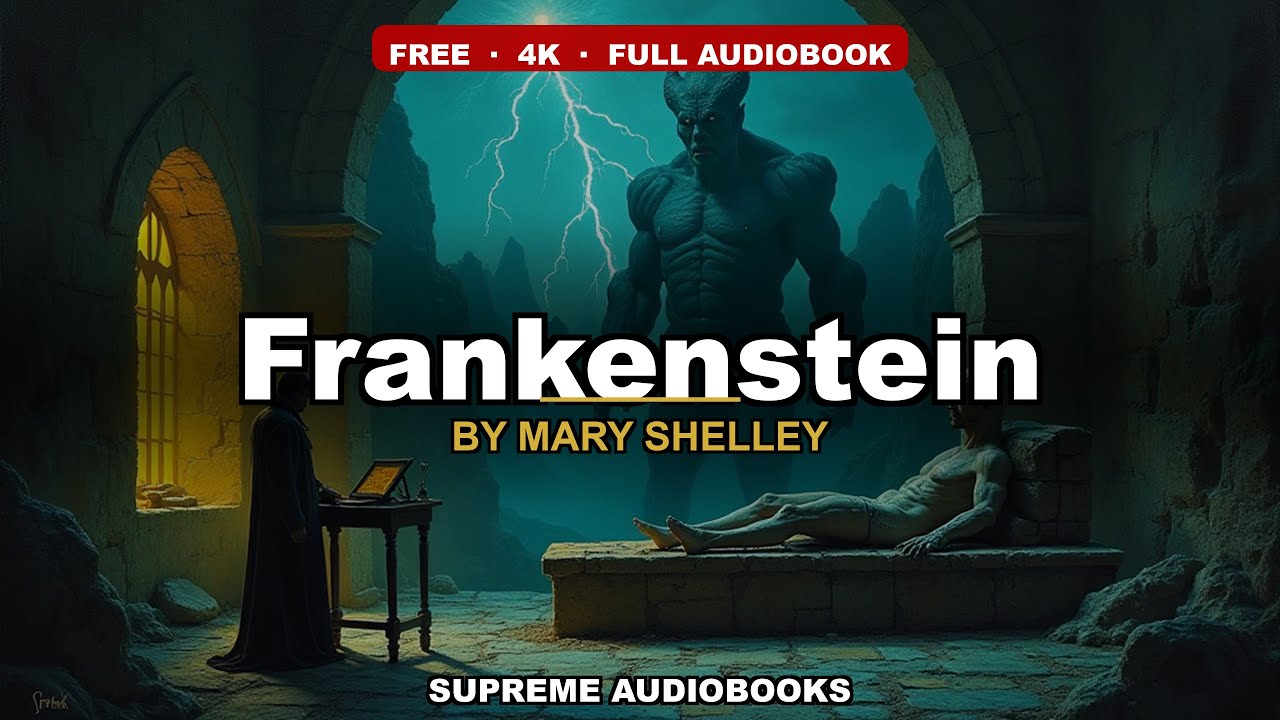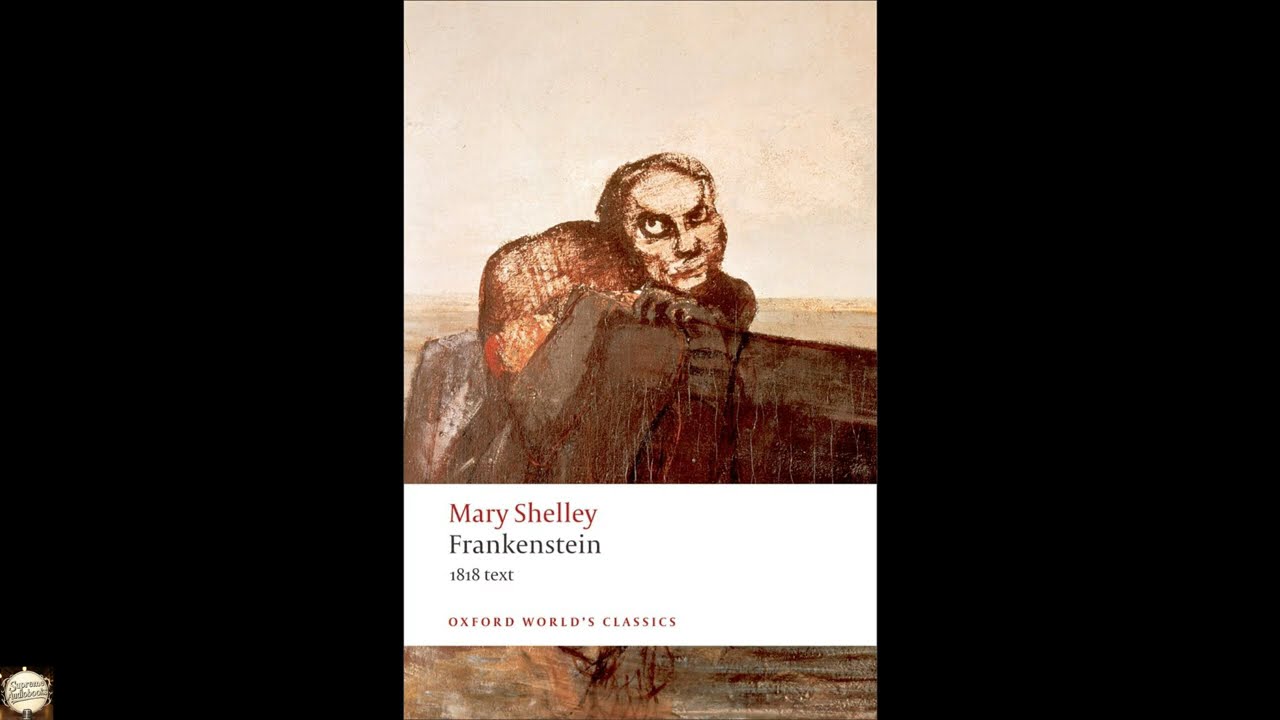
Frankenstein ou le Prometheus moderne: le texte de 1818
De la solitude effrayante d'un navire arctique aux centres intellectuels animés des universités européennes, Frankenstein ou The Modern Prometheus jette une longue ombre sur l'imagination humaine, un récit profond et troublant qui continue de résonner avec une clarté stupéfiante, même deux siècles après sa première apparition. Ce n'est pas seulement une histoire d'horreur, mais une exploration de l'ambition, de la création et des responsabilités profondes qui accompagnent la recherche du savoir. Bien avant les débats modernes sur l'intelligence artificielle ou l'ingénierie génétique, cette œuvre de référence a osé se demander ce qui se passe lorsque l'humanité dépasse ses limites, lorsque le ferveur scientifique éclipsera la considération éthique, et ce que signifie être vraiment humain, ou vraiment monstrueux. Écouter le texte de 1818, sous sa forme brute et pure, offre un canal direct vers ces questions urgentes, nous invitant à nous attaquer aux fondements mêmes de notre paysage technologique et moral.
Enjoyed Frankenstein ou le Prometheus moderne: le texte de 1818? A few ways to support us
Audible & Amazon links are affiliate; we may earn a small commission at no extra cost.
About this production
Human narration by a volunteer reader from LibriVox.org, the public-domain audiobook project. LibriVox volunteers record literary works whose copyright has expired in the United States, releasing the resulting recordings into the public domain.
Frankenstein ou le Prometheus moderne: le texte de 1818 by Mary Shelley. The underlying text is in the U.S. public domain. We do not republish any modern copyrighted edition, translation, or commentary.
The 4K cinematic visuals accompanying this audiobook are generated by an AI image model from prompts derived from the source text. No copyrighted photos, paintings, or stock footage are used. AI generation is disclosed on every video on our YouTube channel as required by YouTube's altered/synthetic content policy.
English subtitles are transcribed from the LibriVox recording with OpenAI Whisper. Translations into the 11 other supported languages are produced by Meta's NLLB-200 neural translation model. No human translator's copyrighted translation is used.
Questions about sourcing or rights? See our DMCA & Sourcing policy or contact us.
Enjoyed this audiobook?
If you'd like to own a copy of Frankenstein ou le Prometheus moderne: le texte de 1818 or hear a professionally produced edition, the links below help support free audiobook production at no extra cost to you.
As an Amazon Associate we earn from qualifying purchases. Audible / print links are affiliate.