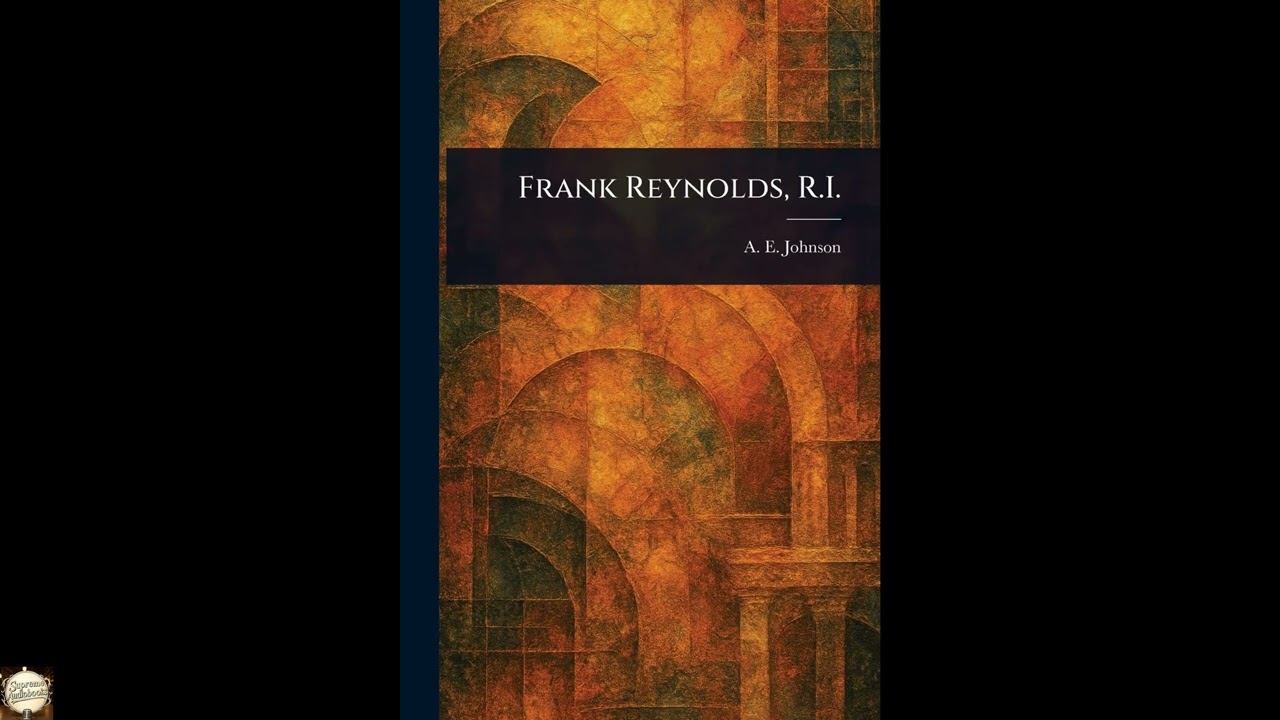
Frank Reynolds, R.I
Step into the bustling world of early twentieth-century British art, a period defined by shifting tastes, innovative print media, and the emergence of illustrators who captured the public imagination with wit and insight. Frank Reynolds, R.I. by A. E. Johnson offers a rare and intimate glimpse into the life and creative process of one such influential figure: Frank Reynolds. More than just a biographical sketch, this volume serves as an essential record of an artist whose clever lines and keen observations helped shape the visual humor of an era, while simultaneously shedding light on the broader artistic currents that influenced his peers. For listeners today, it provides not only an appreciation of a remarkable talent but also a window into how visual commentary reflected and shaped the social fabric of its time. A. E. Johnson’s account introduces us to Frank Reynolds (1866–1935) as a young artist finding his footing in a competitive London scene. We follow his progression from diligent student to acclaimed professional, a trajectory marked by persistent effort and a unique artistic vision. The narrative traces Reynolds’s early experiences and his burgeoning reputation, particularly within the world of magazine illustration, a realm that was rapidly gaining cultural prominence. His early work for publications like The Sketch and The Illustrated London News laid the groundwork for the distinctive style that would soon make him a household name. The central narrative arc follows Reynolds’s growing association with Punch magazine, the venerable British humor publication, where he eventually succeeded Linley Sambourne as its chief cartoonist. Johnson details how Reynolds honed his ability to distill complex social observations into compelling, often hilarious, single-panel drawings. The author describes the artist’s characteristic humor—gentle yet pointed—and his remarkable skill in depicting the foibles and peculiarities of everyday life. This chronicle isn’t merely a list of accomplishments; it’s an examination of an artist’s sustained effort to communicate through his chosen medium, showing how he developed his visual language and adapted to the ever-changing demands of popular media, all while maintaining a singular voice. Alfred Edwin Johnson (1881–1961) was a notable art critic and biographer whose work consistently focused on chronicling the lives and techniques of contemporary artists. Born in Hull, England, Johnson demonstrated an early passion for art and literature, which he cultivated into a prolific career as a writer and editor. He became known for his series of artist biographies, often published in the “Brush, Pen and Pencil Series,” which aimed to make art appreciation accessible to a wider audience. Through these volumes, Johnson established himself as a keen observer and an articulate interpreter of the artistic temperament, positioning himself as a significant chronicler of the British art scene during the early decades of the twentieth century. Johnson’s biographical output, including works on figures like W. Heath Robinson and Arthur Rackham, reveals his consistent interest in the illustrative arts and their place within the broader artistic canon. His writing style is characterized by clear prose, insightful analysis, and a genuine admiration for his subjects. Johnson often blended biographical detail with critical assessment, providing readers with both a personal context for the artist's output and an informed understanding of their stylistic innovations. His legacy rests in his commitment to documenting the working lives and artistic contributions of those who shaped the visual culture of his time, often bringing lesser-known yet influential figures into critical focus. The book sheds light on several enduring themes that permeate both Reynolds's art and Johnson's appraisal. One prominent theme is the role of humor as a tool for social commentary. Reynolds consistently used his illustrations to gently satirize societal norms, class distinctions, and the absurdities of daily existence. For instance, Johnson discusses Reynolds’s clever depictions of Edwardian anxieties and the nuances of British character, often showing how a simple drawing could encapsulate a broader cultural moment without resorting to harsh caricature. This is demonstrated in Reynolds’s recurring types – the earnest but befuddled suburbanite, the self-important clubman, or the fashionable lady – each rendered with an underlying sympathy that made his humor relatable rather than cruel. Another significant theme is the craft and discipline inherent in successful illustration. Johnson emphasizes Reynolds’s dedication to draughtsmanship and his meticulous attention to detail. He notes how Reynolds’s command of line and composition allowed him to create images that were both technically proficient and emotionally resonant. An example of this is the analysis of Reynolds's sequential art or his ability to convey a complete narrative arc within a single frame, making every gesture and expression count. Johnson’s text reveals not just what Reynolds drew, but how he drew it, offering insights into the creative decisions and artistic principles that underpinned his unique output, highlighting the often-underestimated artistry required for effective commercial illustration. The literary landscape at the turn of the twentieth century saw a significant evolution in both artistic production and public consumption. This was the era of the "Golden Age of Illustration," where technological advancements in printing made illustrated magazines and books widely accessible, transforming how visual art reached the masses. Publications like Punch were at the forefront of this revolution, serving as influential platforms for artists like Reynolds to disseminate their work and influence public opinion. The cultural context also involved a public increasingly engaged with visual narratives, looking to art, particularly humorous illustration, for reflections on current events, social trends, and national character. Reynolds’s emergence as a prominent figure occurred during a period marked by profound social and political shifts, including the burgeoning women’s suffrage movement, rapid industrialization, and the looming shadow of global conflict. His art, as documented by Johnson, often provided a lighthearted, yet perceptive, counterpoint to these weighty issues, offering relief and perspective through humor. The demand for illustrators who could capture the spirit of the age, provide witty commentary, and produce work consistently for weekly publications was immense. Johnson's book thus captures not only an individual artist’s story but also the broader cultural phenomenon of illustration’s ascendancy and its integral role in shaping the collective consciousness of Edwardian Britain. Listening to Frank Reynolds, R.I. as an audiobook brings A. E. Johnson’s critical appreciation and biographical insights to life with an immediacy that a printed page might not fully convey. The narration guides the listener through Reynolds's artistic development, allowing for a focused experience on the nuances of his style and Johnson's astute commentary. The reader's voice becomes a conduit for understanding how visual humor operates, describing specific illustrations and their impact, encouraging the imagination to visualize the artistry being discussed. With several hours of listening time, there’s ample opportunity to immerse oneself in this bygone era of British art, gaining a deeper appreciation for the meticulous craft and social astuteness of a visual storyteller whose work continues to resonate. The pacing of the narration can enhance the unfolding narrative of Reynolds's career, highlighting the critical assessments and historical context, allowing listeners to connect more intimately with the legacy of a truly skilled and beloved artist.
Enjoyed Frank Reynolds, R.I? A few ways to support us
Audible & Amazon links are affiliate; we may earn a small commission at no extra cost.
About this production
Human narration by a volunteer reader from LibriVox.org, the public-domain audiobook project. LibriVox volunteers record literary works whose copyright has expired in the United States, releasing the resulting recordings into the public domain.
Frank Reynolds, R.I by A E (Alfred Edwin) Johnson. The underlying text is in the U.S. public domain. We do not republish any modern copyrighted edition, translation, or commentary.
The 4K cinematic visuals accompanying this audiobook are generated by an AI image model from prompts derived from the source text. No copyrighted photos, paintings, or stock footage are used. AI generation is disclosed on every video on our YouTube channel as required by YouTube's altered/synthetic content policy.
English subtitles are transcribed from the LibriVox recording with OpenAI Whisper. Translations into the 11 other supported languages are produced by Meta's NLLB-200 neural translation model. No human translator's copyrighted translation is used.
Questions about sourcing or rights? See our DMCA & Sourcing policy or contact us.
Enjoyed this audiobook?
If you'd like to own a copy of Frank Reynolds, R.I or hear a professionally produced edition, the links below help support free audiobook production at no extra cost to you.
As an Amazon Associate we earn from qualifying purchases. Audible / print links are affiliate.