Dick Prescotts's Fourth Year at West Point: Ready to Drop the Gray for Shoulder Str
The hallowed grounds of West Point, where tradition and rigorous discipline forge the leaders of tomorrow, form the backdrop for Dick Prescott's Fourth Year at West Point: Ready to Drop the Gray for Shoulder Straps. This classic of juvenile literature invites listeners into a world of aspiration, camaraderie, and the relentless pursuit of excellence. It’s a story that transcends its original era, offering a poignant look at the universal struggles of young adulthood, the weight of responsibility, and the enduring quest for integrity, themes as resonant today for anyone facing a pivotal transition as they were for readers generations ago. The narrative captures a crucial moment in a young man’s life, when the choices made and lessons learned will define his path forward. Our story immerses us in the final, most demanding year of cadet life for Dick Prescott. Having navigated the challenges of his plebe, yearling, and first-class years, Dick is now a seasoned veteran among his peers, entrusted with significant responsibilities. The setting, the United States Military Academy at West Point, stands as more than just a school; it is a crucible designed to test character, intellect, and physical endurance. From the intricate drills on the Plain to the intense academic demands of the classroom, every aspect of a cadet's day is structured to cultivate leadership and unwavering dedication. Dick finds himself at the apex of the cadet hierarchy, a position that brings both prestige and immense pressure as he prepares to transition from student to commissioned officer. The central conflict for Dick and his fellow cadets is the unrelenting gauntlet of their final year, culminating in the highly anticipated graduation and the coveted "shoulder straps" signifying a commission. This period is fraught with academic hurdles, leadership tests, and the inevitable personal sacrifices demanded by such an institution. Dick must grapple with decisions that impact not only his own future but also the careers and reputations of those under his command. He encounters both loyal friends who stand by him through thick and thin, and a handful of rivals whose actions threaten to undermine his progress or challenge the very principles he holds dear. The narrative meticulously chronicles his struggles with the complexities of cadet honor, the intricacies of military protocol, and the personal cost of upholding his ideals in the face of adversity, all while keeping the suspense high regarding how Dick will ultimately fare in his final examinations and trials. While the specific author of Dick Prescott's Fourth Year at West Point remains uncredited, this work belongs to a popular and influential literary tradition of the late nineteenth and early twentieth centuries: the "school story" or "series book" written for young male readers. During this period, publishers often employed staff writers or freelancers to produce a steady stream of such tales, frequently under a collective pseudonym or, as in this case, anonymously. These books served a dual purpose: providing entertainment and acting as moral and civic instruction. They were designed to instill virtues like patriotism, honor, courage, discipline, and friendship, reflecting the cultural values deemed essential for the nation's youth. The "Dick Prescott" series, like similar works featuring characters like Tom Swift or Frank Merriwell, presented aspirational figures navigating challenges, usually culminating in a triumphant affirmation of these virtues. These series were widely distributed and helped shape the ideals of a generation of young Americans. They often featured clear moral distinctions, highlighting the rewards of diligence and integrity while showing the consequences of idleness or dishonesty. The emphasis on institutional loyalty and a sense of duty was particularly pronounced in stories set within military academies or other structured environments. Rather than focusing on a single biographical figure, the significance lies in the communal authorship and the cultural role these books played, reflecting a collective effort to guide and inspire young people through relatable narratives of growth and achievement. Thematically, Dick Prescott's Fourth Year powerfully enacts several key ideas. Firstly, duty and discipline stand paramount. Throughout the narrative, Dick is consistently tested on his adherence to regulations and his ability to exercise authority responsibly. For instance, in one scene, he must make a difficult decision concerning a subordinate's minor infraction, weighing strict adherence to the cadet code against a more lenient, personal approach, ultimately choosing the path that reinforces the institutional standard, even if it causes him discomfort. This choice exemplifies the core tenet of military life. Secondly, friendship and loyalty form the emotional backbone of the story. Dick's interactions with his closest friends—their shared triumphs and setbacks—highlight the bonds forged under intense pressure. During a particularly grueling field exercise, a moment of mutual support and encouragement between Dick and a struggling classmate demonstrates how these connections are vital for enduring the rigors of cadet life. A third major theme is maturation and leadership. As a senior cadet, Dick is not just a student but a leader of younger cadets, responsible for their training and conduct. We see his growth as he confronts ethical dilemmas and exercises command. One vivid example occurs when Dick must mediate a dispute between two junior cadets, requiring him to be impartial, firm, and wise—traits that mark his transition from a follower to a true leader. The novel subtly illustrates how the challenges of senior year refine his character, preparing him for the weighty responsibilities of a commissioned officer. This novel emerged during a pivotal era in American history, roughly spanning the late 19th and early 20th centuries. The United States was experiencing rapid industrialization, urbanization, and an expansion of its influence on the global stage. There was a strong cultural emphasis on nation-building, civic responsibility, and the cultivation of strong, moral character in young men. Institutions like West Point were held in high esteem, symbolizing national strength and the ideals of service. The widespread popularity of "boy's own" adventure stories and school narratives provided a literary outlet for these values, often presenting idealized versions of American youth striving for success through hard work and upright conduct. Such literature often aimed to counter perceived moral decay or instill a sense of purpose in a society undergoing dramatic change, positioning the military academy as a bastion of traditional values and disciplined advancement. Listening to Dick Prescott's Fourth Year at West Point as an audiobook offers a unique way to experience this classic. The run length, several hours, allows for an immersive engagement with Dick’s final year, perfect for long commutes, quiet evenings, or focused listening sessions. A skilled narrator can bring the formal yet often earnest dialogue of the cadets to life, capturing the blend of youthful ambition and military precision. Listen for the pacing—how it shifts from the brisk rhythm of drill commands to the more measured tones of academic study or moments of personal reflection. The narrator’s voice can convey the gravity of military decisions, the camaraderie among friends, and the underlying tension of striving for success, painting a vivid soundscape of West Point in a bygone era. It provides a direct connection to the values and aspirations that shaped an earlier generation, delivered with the intimacy and immediacy only an audiobook can provide.
Enjoyed Dick Prescotts's Fourth Year at West Point: Ready to Drop the Gray for Shoulder Str? A few ways to support us
Audible & Amazon links are affiliate; we may earn a small commission at no extra cost.
About this production
Human narration by a volunteer reader from LibriVox.org, the public-domain audiobook project. LibriVox volunteers record literary works whose copyright has expired in the United States, releasing the resulting recordings into the public domain.
Dick Prescotts's Fourth Year at West Point: Ready to Drop the Gray for Shoulder Str by H. Irving Hancock. The underlying text is in the U.S. public domain. We do not republish any modern copyrighted edition, translation, or commentary.
The 4K cinematic visuals accompanying this audiobook are generated by an AI image model from prompts derived from the source text. No copyrighted photos, paintings, or stock footage are used. AI generation is disclosed on every video on our YouTube channel as required by YouTube's altered/synthetic content policy.
English subtitles are transcribed from the LibriVox recording with OpenAI Whisper. Translations into the 11 other supported languages are produced by Meta's NLLB-200 neural translation model. No human translator's copyrighted translation is used.
Questions about sourcing or rights? See our DMCA & Sourcing policy or contact us.
Enjoyed this audiobook?
If you'd like to own a copy of Dick Prescotts's Fourth Year at West Point: Ready to Drop the Gray for Shoulder Str or hear a professionally produced edition, the links below help support free audiobook production at no extra cost to you.
As an Amazon Associate we earn from qualifying purchases. Audible / print links are affiliate.
More by H. Irving Hancock
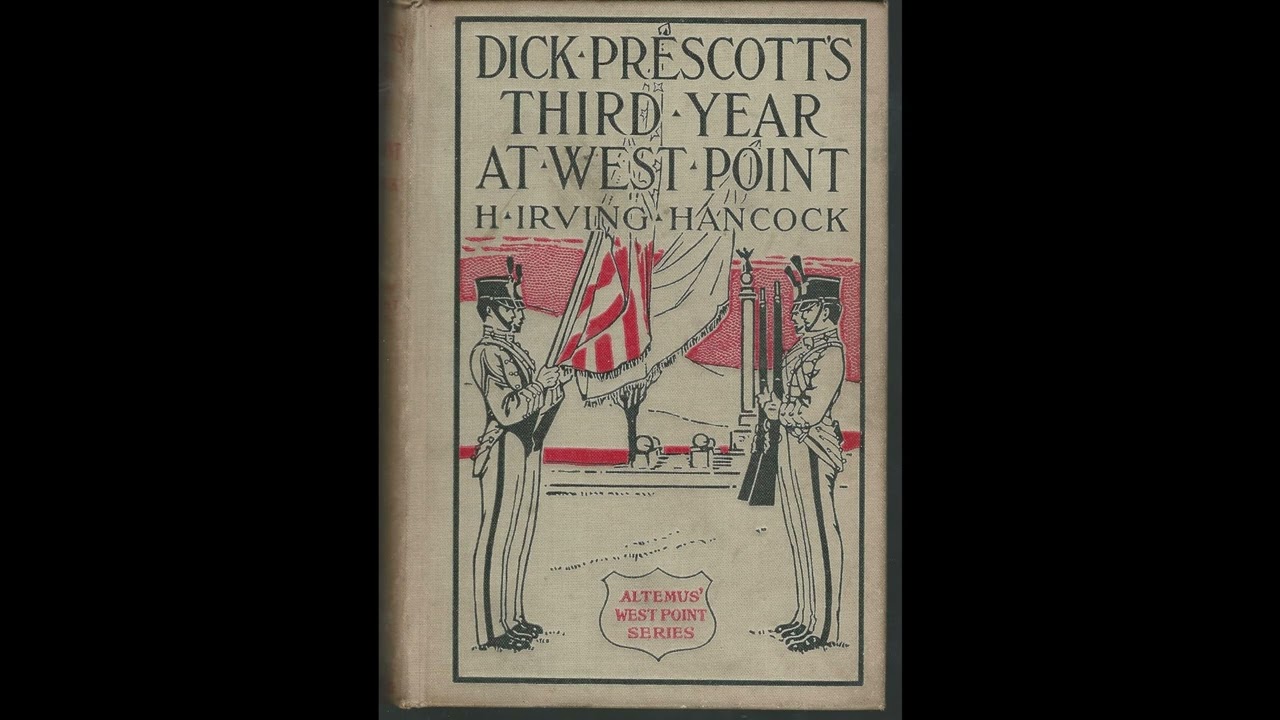
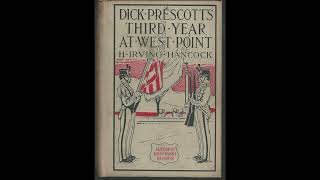
Dick Prescott's Third Year at West Point; or, Standing Firm for Flag and Honor (#3
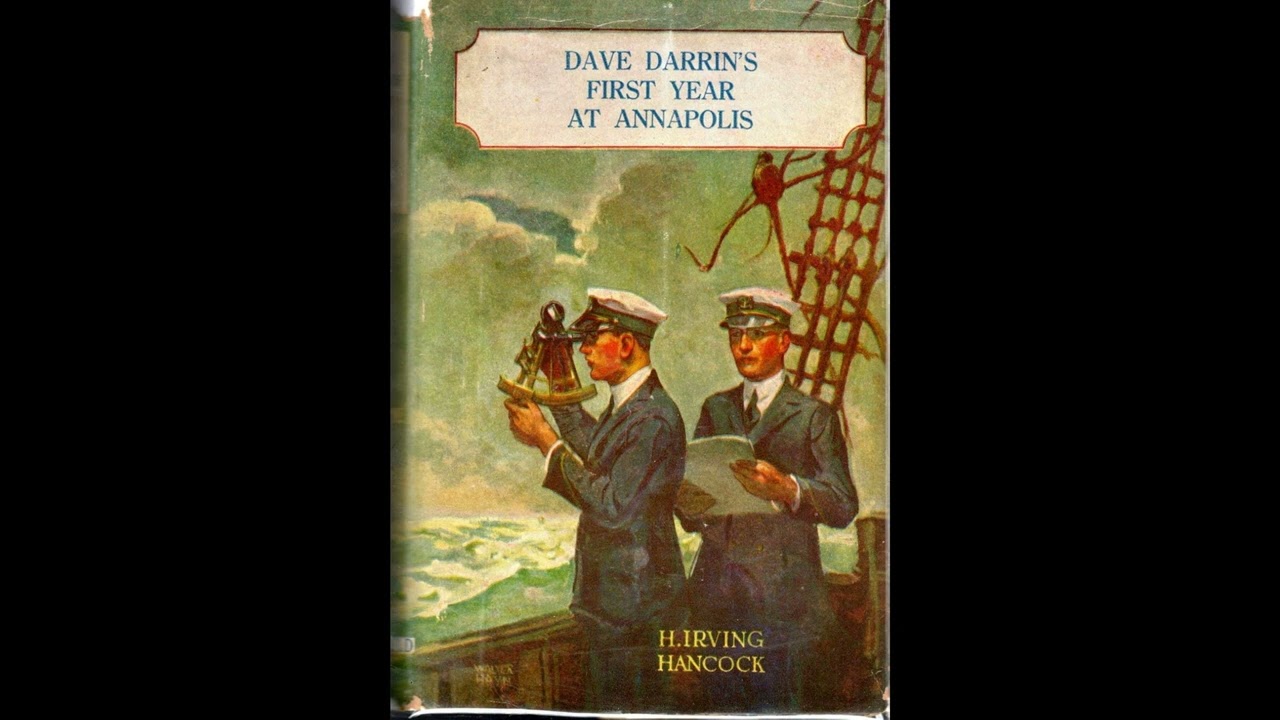
Dave Darrin's First Year at Annapolis Or Two Plebe Midshipmen at the United States N- Full Audiobook
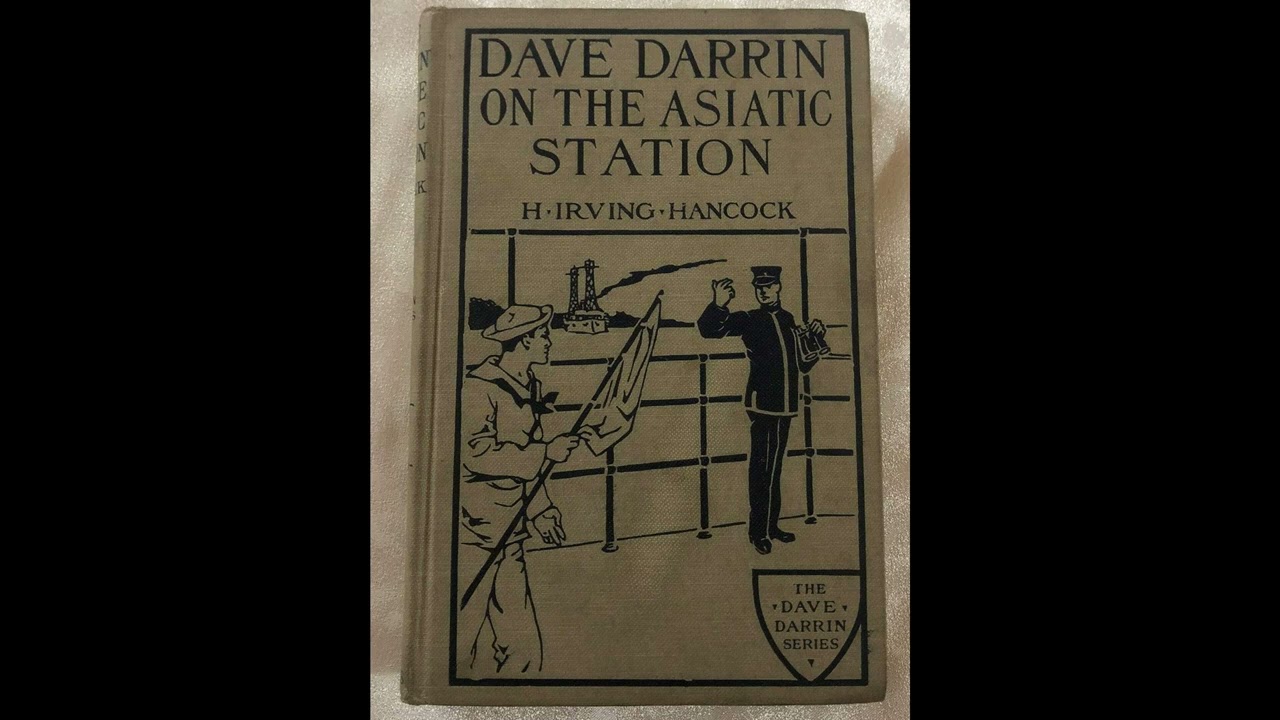
Dave Darrin on the Asiatic Station or Winning Lieutenants' Commissions on the Admira- Full Audiobook