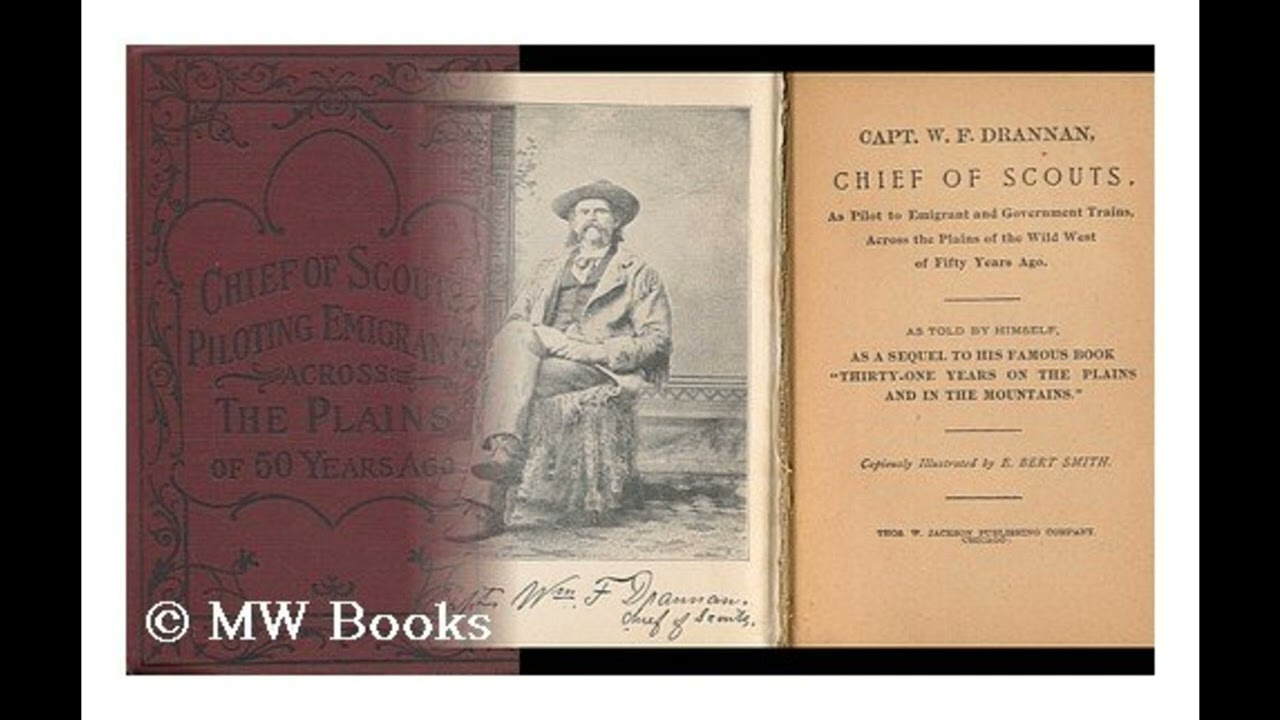
Chief of scouts, as Pilot to Emigrant and Government trains, Across the Plains of th- Full Audiobook
The American West, stretching beyond the Mississippi, was not merely a geographical expanse but a crucible where the nation’s character was forged. It represented both immense promise and unforgiving peril, a landscape that demanded ingenuity, courage, and almost superhuman endurance from those who dared to cross it. "Chief of Scouts, as Pilot to Emigrant and Government Trains, Across the Plains" plunges directly into this elemental struggle, offering an unvarnished account of what it meant to navigate the vast, unpredictable territories of a continent in transformation. This isn’t a romanticized tale from afar; it is a grounded, firsthand perspective of the daily grind, the looming dangers, and the relentless demands placed upon the men and women who guided and comprised the wagon trains heading into the unknown. For anyone seeking to understand the foundational experiences that shaped the American spirit, this document offers an invaluable, granular view of a period defined by audacious dreams and formidable challenges. The narrative unfolds against the sweeping backdrop of the American Plains in the mid-19th century, a time when the call of land, gold, and opportunity drew countless individuals westward. Our central figure is the unnamed Chief of Scouts, a seasoned frontiersman whose expertise and judgment are the very lifeline for the diverse groups under his charge. These groups range from hopeful emigrant families, their wagons laden with possessions, to organized government trains carrying supplies and dispatches. Each train, a microcosm of society, depends utterly on the scout's profound understanding of the land and its hazards. The story details the arduous progression from civilization’s fringes into the raw, untamed heart of the continent. The scout's primary conflict is a constant battle against the elements – blistering sun, sudden blizzards, torrential rains, and the ever-present threat of drought. Beyond nature’s capriciousness, there are geographical obstacles: treacherous river crossings, arid deserts, and rugged mountain passes. The trek is also a mental test of endurance, requiring constant vigilance against sickness, dwindling resources, and potential encounters with indigenous tribes, rightful inhabitants of lands being traversed. The account chronicles the daily realities of overland travel: early morning calls, the rhythmic creak of wagon wheels, dust, heat, and the desperate search for water. We witness the scout’s critical decisions – choosing optimal routes, identifying safe encampments, managing supplies, and offering reassurance in crisis. The narrative focuses on the cumulative weight of small victories and ongoing struggles, painting a vivid picture of the sheer perseverance required to traverse hundreds of miles. It is a testament to the methodical, grueling process of westward expansion, seen through the eyes of the person responsible for its success. Because the author of "Chief of Scouts" remains anonymous, the text itself serves as a collective voice, a powerful testament to the experiences of those who pioneered the trails. This work belongs to a significant tradition of frontier literature that often emerged not from professional authors, but from the diaries, letters, and spoken accounts of the men and women who lived these events. Such narratives were frequently compiled or transcribed by others, sometimes years after the fact, making precise authorship difficult to pinpoint. The very anonymity lends a certain universality to the scout's perspective, allowing readers to imagine themselves in the dust and sweat of the plains. Such texts bridge the gap between historical record and compelling narrative, capturing the raw, immediate impressions of a time and place. This particular account stands as a valuable piece of historical documentation, offering insights into the logistical challenges, environmental observations, and psychological demands of leading trains across vast, uncharted territories. It represents the accumulated wisdom and struggles of countless individuals, distilled into a coherent and immediate record, speaking for a whole class of individuals whose skills were indispensable. The central theme permeating "Chief of Scouts" is undoubtedly survival and resilience. The text constantly illustrates the relentless pressures on human fortitude. One scene might depict the methodical rationing of water as the train crosses an arid stretch, the scout making difficult decisions about sustaining people and animals. Another might show careful preparation for a sudden prairie storm, wagons circled and ropes secured, highlighting vulnerability to nature's brute force. This isn't just physical survival, but mental toughness—the capacity to endure monotony, fear, and uncertainty day after day. A second crucial theme is leadership and responsibility. The scout is not merely a guide; he is the ultimate decision-maker, carrying the lives and fortunes of hundreds. The narrative emphasizes his unwavering vigilance, deep knowledge of terrain and weather, and ability to inspire confidence. For instance, we observe the scout calming panicked individuals during a river crossing, or his quiet diplomacy in managing conflicts. His competence and resolve are depicted not as heroic flourishes, but as essential, practical qualities for preservation of life and mission success. This account emerged during a period of intense national focus on westward expansion in the United States, primarily from the 1840s through the 1870s. The mid-19th century saw massive demographic shifts driven by land speculation, the California Gold Rush, the Oregon Trail migration, and later, post-Civil War homesteading. The federal government encouraged settlement and worked to secure transportation routes, making the movement of families and supplies across the plains a crucial endeavor. Publications like this one served multiple purposes: practical guides, cautionary tales, or documentation of experiences. The literary world of the time also grappled with the idea of the frontier. While some authors romanticized the West, creating legends, other narratives, often derived from firsthand accounts like "Chief of Scouts," offered a more starkly realistic portrayal. These practical, experiential narratives provided a grounded understanding of the true cost and effort involved, forming part of a broader cultural dialogue about American identity and the practical challenges of nation-building. Experiencing "Chief of Scouts" as an audiobook transforms this historical document into an immediate, sensory experience. The sustained, measured narration lends itself perfectly to the rhythms of overland travel – long hours of steady progress punctuated by moments of acute tension or careful observation. A skilled narrator's voice evokes the vast silence of the plains, the creak of wagon wheels, the whisper of wind through dry grass, or the urgency in a shouted command. The "several hours" run length is ideal for settling into the story's pace, perfect for long road trips where the landscape might echo the vistas described. Listen for subtle shifts in tone that convey the scout's authority, the determination of the emigrants, and the sheer scale of the challenges faced, drawing you into an authentic encounter with a pivotal era.
Enjoyed Chief of scouts, as Pilot to Emigrant and Government trains, Across the Plains of th- Full Audiobook? A few ways to support us
Audible & Amazon links are affiliate; we may earn a small commission at no extra cost.
About this production
Human narration by a volunteer reader from LibriVox.org, the public-domain audiobook project. LibriVox volunteers record literary works whose copyright has expired in the United States, releasing the resulting recordings into the public domain.
Chief of scouts, as Pilot to Emigrant and Government trains, Across the Plains of th- Full Audiobook. The underlying text is in the U.S. public domain. We do not republish any modern copyrighted edition, translation, or commentary.
The 4K cinematic visuals accompanying this audiobook are generated by an AI image model from prompts derived from the source text. No copyrighted photos, paintings, or stock footage are used. AI generation is disclosed on every video on our YouTube channel as required by YouTube's altered/synthetic content policy.
English subtitles are transcribed from the LibriVox recording with OpenAI Whisper. Translations into the 11 other supported languages are produced by Meta's NLLB-200 neural translation model. No human translator's copyrighted translation is used.
Questions about sourcing or rights? See our DMCA & Sourcing policy or contact us.
Enjoyed this audiobook?
If you'd like to own a copy of Chief of scouts, as Pilot to Emigrant and Government trains, Across the Plains of th- Full Audiobook or hear a professionally produced edition, the links below help support free audiobook production at no extra cost to you.
As an Amazon Associate we earn from qualifying purchases. Audible / print links are affiliate.
More by Unknown

Delco Manuals: Radio Model 633, Delcotron Generator - Delco Radio Owner's Manual Mod- Full Audiobook

Not Guilty: A Defence of the Bottom Dog: Championing the Innocent: A Call for Socia

Secret Societies (A Discussion of Their Character and Claims)