Carnac's Folly, Complete
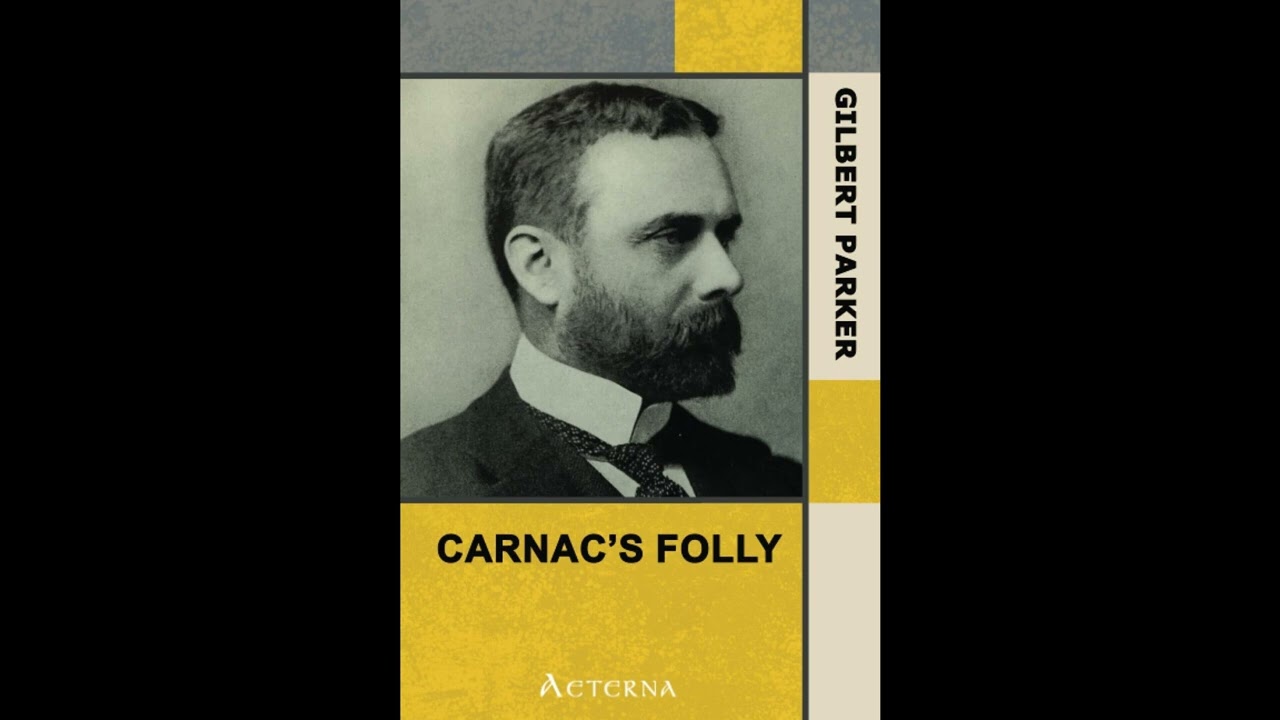
Gilbert Parker's "Carnac's Folly, Complete" stands as a monumental work of Canadian literature, a grand and sweeping tale that plunges into the heart of human ambition, moral compromise, and enduring love. This isn't merely a historical novel; it’s a profound examination of the choices that define a life, set against the breathtaking, often stark, landscape of Quebec. Even today, the struggles of its protagonist, Carnac, resonate powerfully. His yearning for influence, his navigation of personal and political loyalties, and the ultimate cost of his grand designs offer a mirror to our own desires for achievement and the sacrifices we might make along the way. It is a story about the complex interplay between public success and private integrity, asking universal questions about what truly constitutes a life well-lived. The narrative unfolds in the picturesque yet politically charged world of rural Quebec in the late nineteenth century, where the rhythms of simple village life stand in stark contrast to the cutthroat machinations of provincial politics. Our central figure is Carnac, a young man of considerable intellect and magnetic charisma, born into humble circumstances but possessed of an unyielding will to rise. From his earliest days, Carnac is marked by a unique drive, an almost poetic vision for his future that transcends the boundaries of his birthright. His ascent is not without its difficulties, however, as he grapples with the intricate web of family expectations, the burgeoning affections of a young woman who sees beyond his ambition, and the shadow of an earlier, perhaps misguided, commitment. As Carnac steps onto the broader stage of public life, his idealism faces a brutal test against the realities of political maneuvering and the relentless demands of power. He must contend with shrewd adversaries, forge uneasy alliances, and make decisions that stretch the very fabric of his moral code. The story traces his dramatic rise, from a promising local figure to a formidable force within the provincial government, charting the triumphs and heartbreaks that accompany such a trajectory. The "folly" alluded to in the title slowly reveals itself not as a single misstep, but as a recurring theme – the potential for hubris, the isolation that comes with single-minded pursuit, and the painful recognition that even the loftiest goals can demand too high a personal price. Gilbert Parker, born Horatio Gilbert Parker in Camden East, Ontario, in 1860, was a prolific and celebrated author whose career spanned the late Victorian and Edwardian eras. After an early life spent studying and teaching in Canada, he moved to Australia in 1886 to pursue a career in journalism, a move that broadened his horizons and sharpened his observational skills. His literary ambitions soon drew him to England in 1889, where he quickly gained recognition for his historical romances and stories set in exotic locales, particularly his native Canada. Parker’s most notable works include "The Seats of the Mighty," which chronicled the British conquest of Quebec, and "The Right of Way," a popular novel focusing on moral redemption in a small Canadian town. Parker's writing often showcased a deep fondness for Canada, particularly its French-Canadian culture and history, presenting a romanticized view of colonial life. Beyond his literary pursuits, he also served as a Conservative Member of Parliament in the British House of Commons from 1900 to 1918, a testament to his keen interest in public affairs. His service during the First World War, particularly in propaganda efforts, earned him a baronetcy in 1918. Parker passed away in 1932, leaving behind a substantial body of work that captured the spirit of an age, blending adventure, romance, and historical detail with accessible prose, earning him a significant place in the popular literature of his time and helping to define a distinctly Canadian voice in the global literary canon. "Carnac's Folly" powerfully enacts several enduring themes, most notably the compelling pull of ambition and its potential for corruption. Carnac's relentless drive to achieve political eminence, for instance, is depicted not merely as a desire for personal glory, but as a conviction that he can truly effect positive change for his people. Yet, as he maneuvers through the intricate landscape of power, the story shows how even the noblest intentions can be compromised by the demands of expediency, with small concessions gradually eroding his original ideals. This struggle is visible when he must choose between a politically advantageous alliance and an older, more heartfelt commitment, forcing him to weigh public gain against private integrity. Another prominent theme is the complex nature of love and sacrifice. The various relationships in Carnac's life – with his steadfast mother, his initial love interest, and later, the woman he marries – highlight the profound personal costs exacted by his public career. Parker illustrates how Carnac’s choices impact not only his own happiness but also the lives of those closest to him, demonstrating the sacrifices demanded by a singular focus on power. For instance, the quiet stoicism of a loved one, enduring Carnac's absences and difficult decisions, serves as a poignant counterpoint to his outward triumphs, underscoring the personal void his ambition creates. Listening to "Carnac's Folly, Complete" as an audiobook offers a singular opportunity to fully immerse oneself in Parker’s expansive narrative. The skilled narration will breathe life into the distinctive voices of French-Canadian characters and the varied cadences of political discourse, allowing the listener to truly inhabit the settings from bustling Quebec city chambers to tranquil rural homesteads. With its substantial run length, this audiobook is ideal for extended periods of engagement, perfect for long commutes, dedicated listening sessions at home, or accompanying leisurely walks. Pay close attention to the narrator’s subtle shifts in tone, which will underscore the dramatic tension in Carnac's pivotal decisions and the nuanced emotional landscape of his relationships, allowing the full atmosphere of Parker's vision to envelop the imagination.
Enjoyed Carnac's Folly, Complete? A few ways to support us
Audible & Amazon links are affiliate; we may earn a small commission at no extra cost.
About this production
Human narration by a volunteer reader from LibriVox.org, the public-domain audiobook project. LibriVox volunteers record literary works whose copyright has expired in the United States, releasing the resulting recordings into the public domain.
Carnac's Folly, Complete by Gilbert Parker. The underlying text is in the U.S. public domain. We do not republish any modern copyrighted edition, translation, or commentary.
The 4K cinematic visuals accompanying this audiobook are generated by an AI image model from prompts derived from the source text. No copyrighted photos, paintings, or stock footage are used. AI generation is disclosed on every video on our YouTube channel as required by YouTube's altered/synthetic content policy.
English subtitles are transcribed from the LibriVox recording with OpenAI Whisper. Translations into the 11 other supported languages are produced by Meta's NLLB-200 neural translation model. No human translator's copyrighted translation is used.
Questions about sourcing or rights? See our DMCA & Sourcing policy or contact us.
Enjoyed this audiobook?
If you'd like to own a copy of Carnac's Folly, Complete or hear a professionally produced edition, the links below help support free audiobook production at no extra cost to you.
As an Amazon Associate we earn from qualifying purchases. Audible / print links are affiliate.