A Daughter of Fife
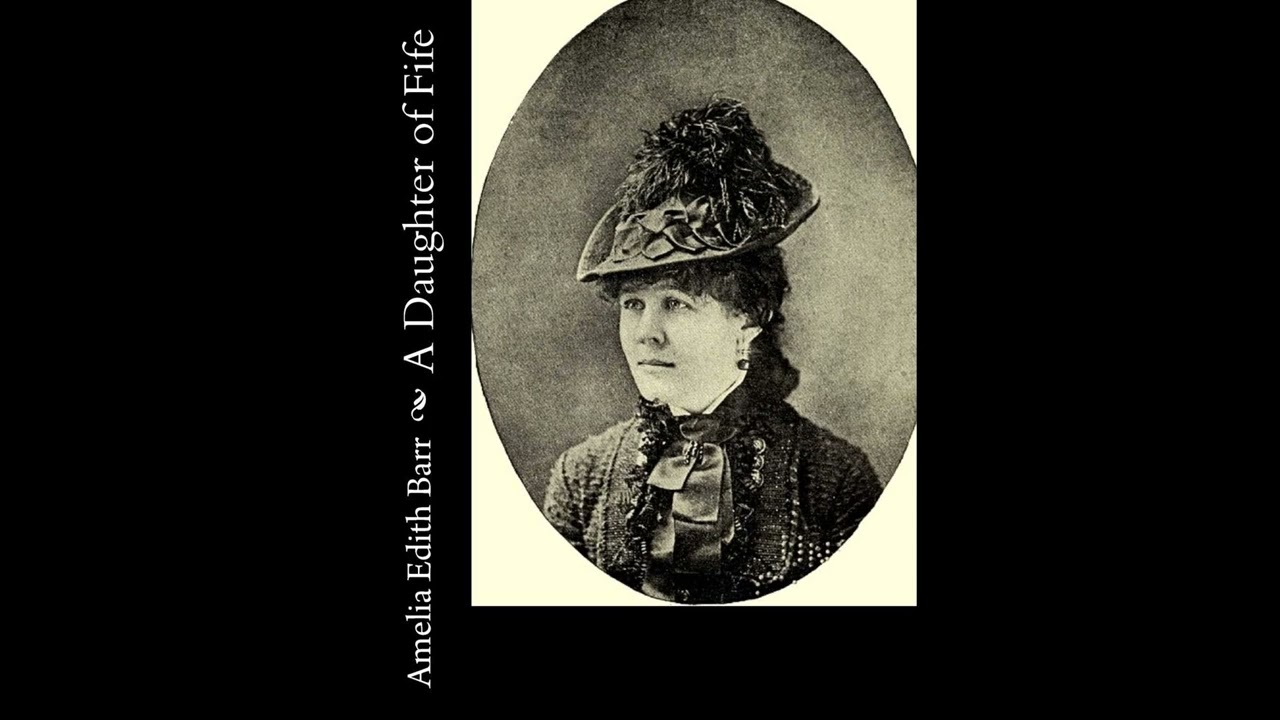
Step into the wild, windswept beauty of nineteenth-century Scotland, a land steeped in tradition and rugged charm, with Amelia Edith Barr's enduring novel, A Daughter of Fife. This isn't merely a historical romance; it's a nuanced portrait of a young woman navigating the complexities of duty, community, and personal desire against a vividly drawn backdrop. Barr's gentle yet keen observations of human nature and the societal expectations of her time make this story as resonant today as it was upon its original publication. Listeners will find themselves drawn into a world where faith, family, and the immutable landscape shape destiny, offering both escape and profound reflection on the choices that define a life. The story unfolds in the picturesque, close-knit fishing villages along the coast of Fife, Scotland. Here we meet Maisie Dunsmuir, a young woman known for her spirited nature and deep devotion to her family and community. Maisie lives a life dictated by the rhythms of the sea and the strong, unyielding customs of her Scottish heritage. Her father, a respected fisherman, holds firm beliefs about tradition and honor, which heavily influence Maisie's sense of self and her future prospects. Her world, though outwardly simple, is rich with the warmth of familial bonds and the steadfast support of her neighbors, yet it also presents its own set of rigid expectations and unspoken rules. The central conflict arises when Maisie's heart is pulled in directions that clash with the path laid out for her. An unexpected affection begins to bloom, challenging her deeply ingrained sense of obligation and calling into question the strictures of her inherited social standing. She finds herself wrestling with the tug between personal longing and the powerful forces of duty and loyalty to her family and kin. As events unfold, Maisie must confront difficult decisions that threaten to upend her life and test her courage, faith, and resilience in ways she never imagined. The narrative follows her journey of self-discovery as she grapples with these competing pressures, ultimately striving to forge a future that honors her true self while remaining true to the values instilled in her. Amelia Edith Barr was a prolific Anglo-American novelist whose life story is as compelling as many of her fictional tales. Born in Ulverston, Lancashire, England, in 1831, Barr immigrated to the United States in 1853 with her husband, Robert Barr, settling first in New York and later in Texas. Her early years were marked by significant personal hardship, including the loss of her husband and several of her children to yellow fever in 1867. These profound tragedies left her a widow with four daughters to support, compelling her to turn to writing as a means of livelihood. She began publishing short stories and poems, eventually finding her stride as a novelist in her late forties. Barr moved back to New York and her career blossomed. She wrote over seventy novels during her lifetime, establishing herself as a highly popular author of the late nineteenth and early twentieth centuries. Her works often explored themes of family, faith, duty, and romance, frequently set against meticulously researched historical backdrops, both in Scotland—her mother's homeland—and various regions of America. Books like Jan Vedder's Wife, The Bow of Orange Ribbon, and Friend Olivia showcase her talent for vivid characterization and engaging storytelling, earning her a dedicated readership and a respected place among the domestic novelists of her era. She was known for her moral earnestness and her ability to weave compelling human dramas into rich historical tapestries. A Daughter of Fife powerfully enacts several enduring themes. One prominent idea is the tension between individual desire and communal expectation. Maisie's burgeoning feelings stand in stark contrast to the established social hierarchy and the practical alliances her family might favor, creating a palpable internal and external struggle. Her personal inclinations are weighed against the deep-seated loyalties to her fishing community and the unwritten laws of her clan. Another significant theme is the resilience of the human spirit in the face of adversity. Maisie experiences setbacks and emotional trials that challenge her resolve, yet she consistently demonstrates an inner strength and determination to confront her circumstances with courage. The novel also illuminates the unwavering strength of faith and its role in guiding individuals through life's moral labyrinths. Barr, a devout woman, imbues her characters with a deep spiritual conviction that helps them navigate difficult choices and find solace amidst hardship. Furthermore, the story underscores the profound influence of place and heritage on identity. The rugged Scottish landscape, the traditions of the Fife coast, and the tight-knit social fabric of the fishing village are not merely settings; they are active forces that shape Maisie's character, her values, and her understanding of the world. Barr skillfully illustrates how our roots, both geographical and ancestral, play a vital part in who we become. When A Daughter of Fife was published in 1886, the literary landscape was undergoing significant shifts. The Victorian era was in its later stages, a period characterized by rapid industrialization, burgeoning social reforms, and a growing interest in realism within literature. While sensation novels and overt moralizing still held sway, there was an increasing demand for stories that offered more nuanced psychological insight and vivid depictions of regional life. Barr's work fit comfortably within this trend, offering readers detailed glimpses into specific cultural milieus, whether the Scottish fishing villages or early American settlements. Her popularity reflected a broader public appetite for narratives that combined romantic sensibility with a grounding in tangible, often historical, details. She wrote for a readership eager for stories that upheld moral virtues while still providing emotional depth and engaging plots, often featuring strong, principled female characters facing societal pressures. Listening to A Daughter of Fife as an audiobook offers a singular opportunity to fully immerse oneself in Barr's evocative prose. The narrator's voice becomes the conduit to Maisie's inner world, bringing the rhythms of Scottish life and the nuances of the characters' dialogue to vivid presence. Imagine the lilting cadence of a Scottish accent painting the scenes of the Fife coast, lending authenticity to the speech of its inhabitants and deepening the sense of place. The substantial run length allows for a genuine commitment to the story, unfolding at a pace that invites contemplation, much like the slow unfolding of life in a nineteenth-century village. Listen for the subtle shifts in vocal tone that betray a character's true feelings, the rich descriptions of the natural world, and the inherent musicality of Barr's language, all enhanced by a thoughtful reading that transforms the written word into a truly transporting experience.
Enjoyed A Daughter of Fife? A few ways to support us
Audible & Amazon links are affiliate; we may earn a small commission at no extra cost.
About this production
Human narration by a volunteer reader from LibriVox.org, the public-domain audiobook project. LibriVox volunteers record literary works whose copyright has expired in the United States, releasing the resulting recordings into the public domain.
A Daughter of Fife by Amelia Edith Barr. The underlying text is in the U.S. public domain. We do not republish any modern copyrighted edition, translation, or commentary.
The 4K cinematic visuals accompanying this audiobook are generated by an AI image model from prompts derived from the source text. No copyrighted photos, paintings, or stock footage are used. AI generation is disclosed on every video on our YouTube channel as required by YouTube's altered/synthetic content policy.
English subtitles are transcribed from the LibriVox recording with OpenAI Whisper. Translations into the 11 other supported languages are produced by Meta's NLLB-200 neural translation model. No human translator's copyrighted translation is used.
Questions about sourcing or rights? See our DMCA & Sourcing policy or contact us.
Enjoyed this audiobook?
If you'd like to own a copy of A Daughter of Fife or hear a professionally produced edition, the links below help support free audiobook production at no extra cost to you.
As an Amazon Associate we earn from qualifying purchases. Audible / print links are affiliate.