About Mary Roberts Rinehart
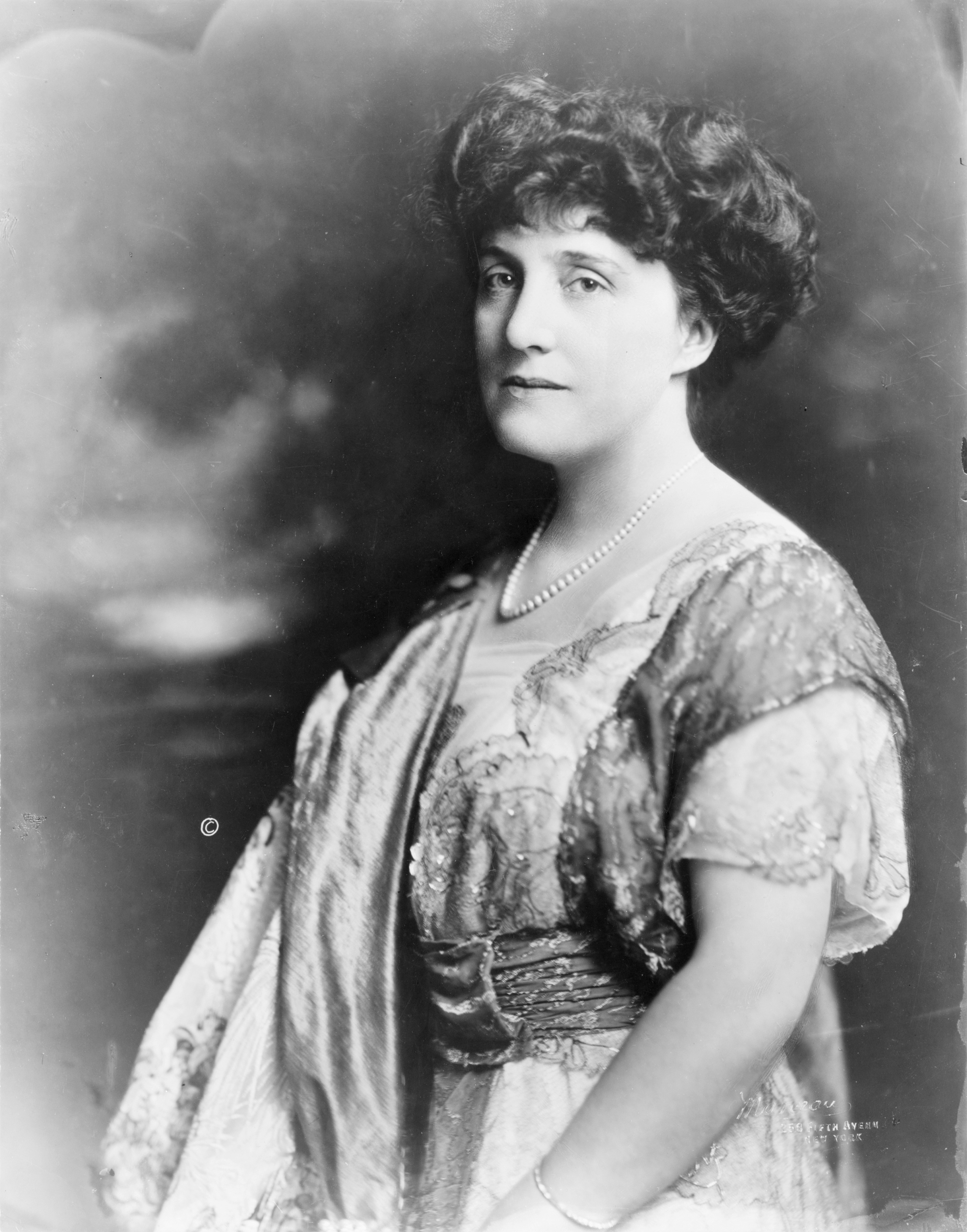
One of America’s most prolific and successful authors of the early 20th century, Mary Roberts Rinehart established herself as a titan of popular fiction, blending suspense, romance, and humor with keen observation. Born on August 12, 1876, in Allegheny City, Pennsylvania, which is now part of Pittsburgh, she spent her formative years in the burgeoning industrial city. She pursued an education at Pittsburgh High School and then trained as a nurse at the Pittsburgh Homeopathic Hospital, graduating in 1896. That same year, she married Dr. Stanley Marshall Rinehart and soon began raising three sons. It was a severe financial setback, the loss of family savings during the Panic of 1903, that propelled her towards writing as a means of support, a decision that would ultimately define her life’s work.
Rinehart's entry into the publishing world coincided with a booming demand for serialized fiction in popular magazines. She quickly found her stride, contributing stories to publications like Munsey's Magazine. Her breakthrough came with the serialization and subsequent book publication of *The Circular Staircase* in 1908. This novel introduced an amateur female sleuth caught in a web of mystery within a country estate, establishing a unique voice that resonated with a wide readership and set the stage for her influential career in mystery fiction.
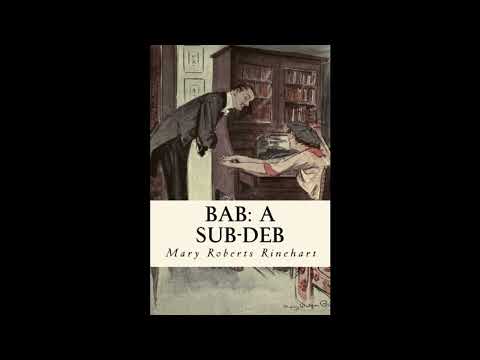
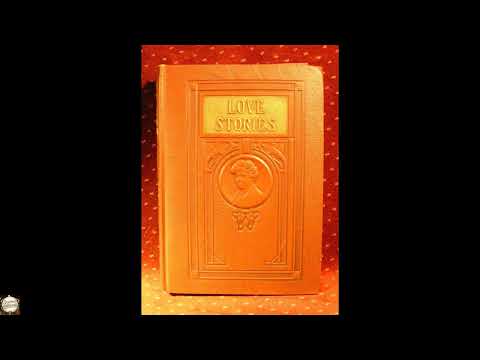
Throughout her long and productive career, Rinehart penned an impressive array of novels, short stories, plays, and even war correspondence. Readers recognized her knack for combining suspense with relatable characters and often humorous situations. Notable among her works are *K*, a romantic mystery centered on a dedicated nurse and a mysterious doctor hiding his past; *Kings, Queens, and Pawns: An American Woman at the Front*, her compelling dispatches from the European war zones during World War I; *Bab: A Sub-Deb*, a delightful and witty coming-of-age story chronicling the adventures of a spirited young woman; and *Love Stories*, a collection of short tales showcasing her command of romantic narrative. Her early successes also include *The Man in Lower Ten*, a classic railway mystery.
Rinehart’s distinctive writing style became synonymous with what critics termed the "Had-I-But-Known" school of mystery. This approach often features a narrator, typically an amateur female detective, who foreshadows impending danger or regrets past decisions, building suspense through their anxieties and observations. For instance, in *The Circular Staircase*, the elderly protagonist Miss Rachel Innes frequently muses on what she should have done or known, drawing the reader deeper into the unfolding peril. Her themes often included the changing roles of women, domestic life, the psychological impact of crime, and the subtle dynamics of social class, all presented with a blend of dry wit and genuine suspense.
Often referred to as the “American Agatha Christie,” Rinehart not only popularized the mystery novel in the United States but also significantly influenced generations of writers who followed. She pioneered the use of domestic settings for complex crime plots and helped solidify the amateur detective trope, particularly the intelligent and observant female sleuth. Her ability to craft compelling narratives that blended mystery with social commentary and character development made her a literary phenomenon. She provided a template for mystery writers who sought to entertain while also subtly questioning societal norms, continuing her prolific output until her death in New York City on September 22, 1958.
To listen to Mary Roberts Rinehart’s stories today is to engage directly with a foundational voice in American popular fiction, whose wit, suspense, and enduring characters continue to delight and intrigue.
More on Wikipedia →