About Gustave Flaubert
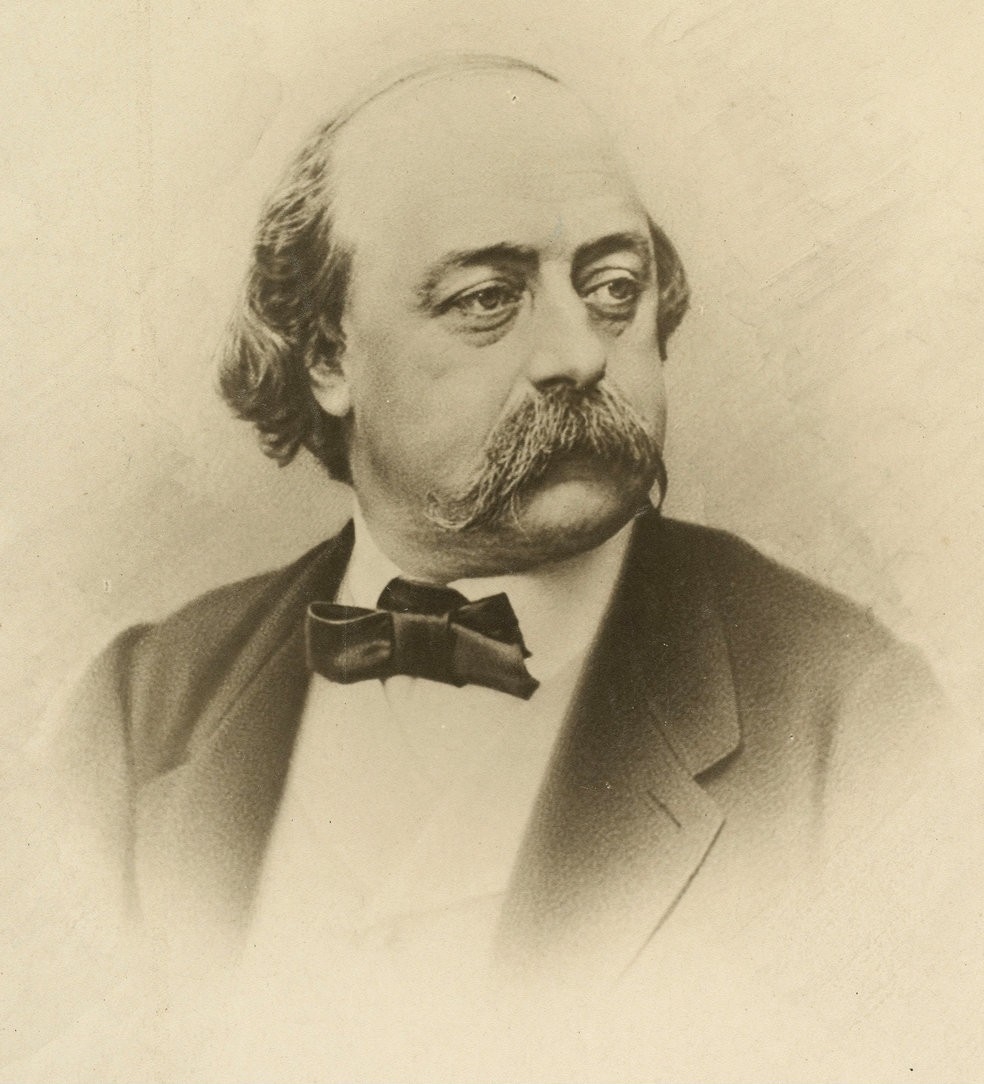
A foundational voice in nineteenth-century French literature, Gustave Flaubert came into the world in Rouen, France, on December 12, 1821, and departed from it in Croisset, France, on May 8, 1880. His family’s home adjoined the hospital where his father served as chief surgeon, a proximity that gave the young Flaubert early exposure to the stark realities of human existence, a theme that would later permeate his prose.
Flaubert’s early life unfolded largely in provincial Normandy. He attended the Collège Royal de Rouen before briefly studying law in Paris. However, a profound disinterest in legal studies, coupled with health issues, led him to abandon this path. He retreated to his family estate at Croisset, dedicating his life fully to the solitary pursuit of writing. This secluded existence allowed him to cultivate an almost monastic discipline toward his craft.
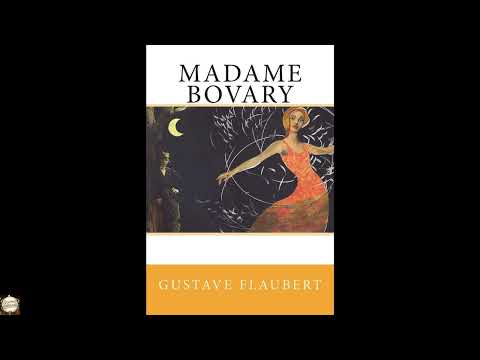
Flaubert developed an exacting standard for literary expression, striving for what he termed *le mot juste*—the precisely right word. He entered a literary landscape shifting away from Romantic excesses towards a more objective portrayal of life, a movement he would help define. After years of meticulous composition and revision, he introduced his first significant novel, *Madame Bovary*, in 1856. Its serialized publication immediately sparked controversy and an obscenity trial, from which Flaubert was ultimately acquitted, solidifying his reputation and drawing public attention to his revolutionary style.
Across his body of work, Flaubert presented compelling narratives that scrutinize human nature and societal structures. *Madame Bovary* depicts a doctor's wife who dreams of luxury and romance but finds only disillusionment and ruin. *Salammbô* transports readers to ancient Carthage during a brutal mercenary revolt. *A Sentimental Education* follows the romantic and political development of a young man against the backdrop of mid-19th century Paris. In *Three Tales*, which includes "A Simple Soul," "Saint Julian the Hospitalier," and "Herodias," he crafted novellas notable for their varied historical and emotional landscapes. Even his travelogue, *Over Strand and Field: A Record of Travel Through Brittany*, offers his characteristic attention to detail and observation.
Flaubert’s writing consistently features a rigorous objectivity and a detached narrative voice, allowing events and characters to unfold without overt authorial judgment. His prose is marked by precise observation, detailed descriptions, and a subtle use of irony. Recurring themes include the conflict between romantic ideals and mundane reality, the pervasive ennui of bourgeois life, and the limitations society places upon individual aspirations. For example, the painstaking descriptions of Emma Bovary's aspirations for grandeur contrasted with her provincial existence vividly demonstrate the futility of escaping societal constraints and personal mediocrity through illusion.
Flaubert stands as a pivotal figure in literary history, often considered one of the fathers of the modern novel and a central force behind realism and naturalism. His uncompromising commitment to stylistic perfection and his pioneering use of objective narration profoundly influenced generations of writers, including Guy de Maupassant, Henry James, and Marcel Proust, shaping the direction of fiction for decades to come. His works remain essential studies for anyone seeking to understand the development of novelistic form.
Listeners today can still experience the power and precision of Flaubert’s prose, engaging with these enduring stories as free audiobooks.
More on Wikipedia →