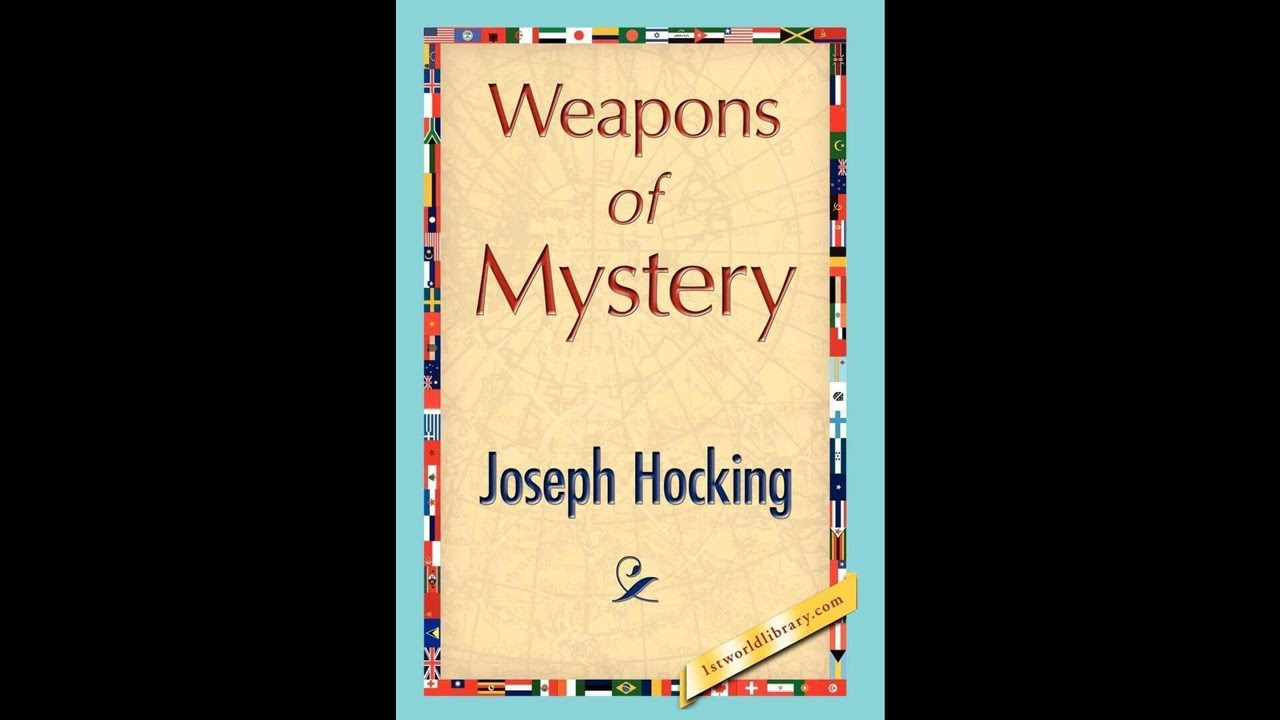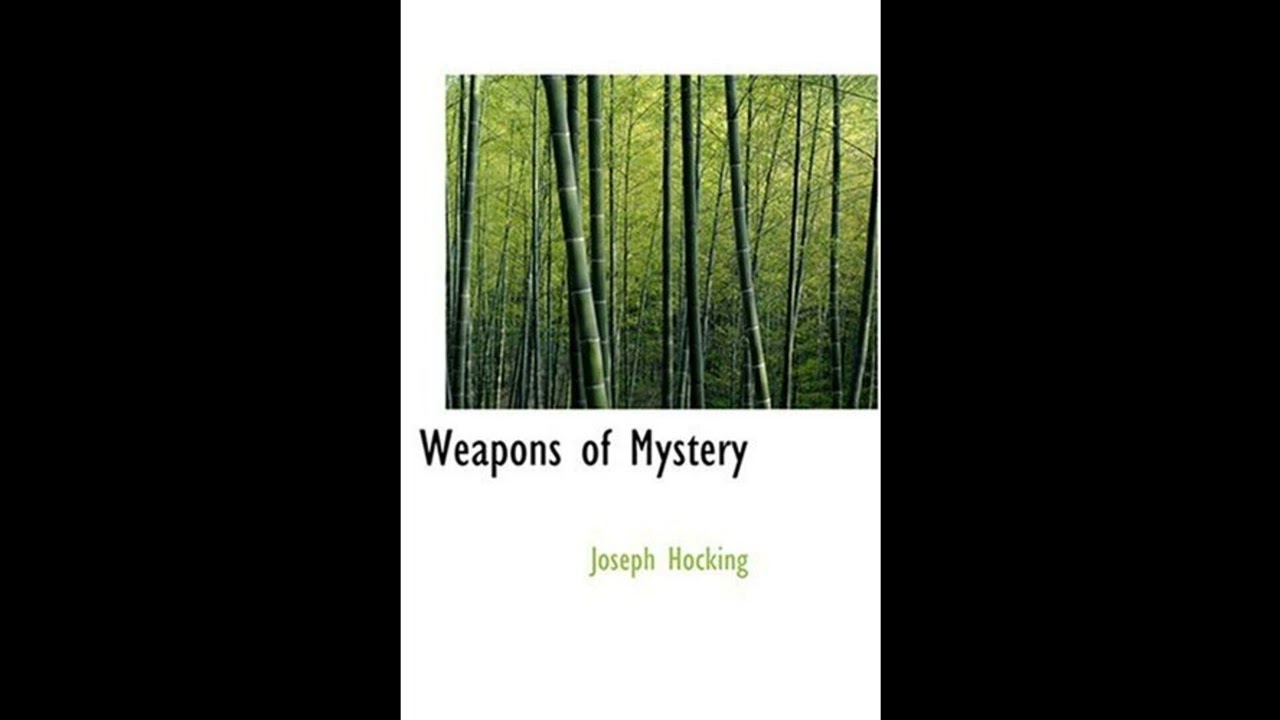
Weapons of Mystery
Step into a world where the shadows of ancient fears meet the dawn of modern skepticism, where the very fabric of human will is tested against forces unseen yet undeniably potent. Joseph Hocking’s Weapons of Mystery beckons listeners into a labyrinth of spiritual and psychological conflict, a gripping tale that, despite its origins in an earlier century, resonates with timeless questions about belief, power, and the nature of evil. This compelling narrative offers not only a thrilling adventure but also a profound examination of the unseen battles fought within the human soul, making it a powerful listen for anyone who appreciates a story that challenges both the intellect and the spirit. The story unfolds primarily across the rugged, superstitious landscape of Cornwall and the bustling, often deceptive streets of London. At its heart is Professor Arthur Penhaligon, a man of science and rational thought, whose world is suddenly upended by an encounter with the inexplicably bizarre. His niece, Mary, becomes entangled in a web of sinister occurrences, drawing the professor into a confrontation with what appears to be a secret society wielding forces beyond his scientific comprehension. These antagonists are not merely criminals; they seem to command a terrifying, almost supernatural influence, threatening to bend others to their will through methods that defy conventional explanation. Penhaligon, initially dismissive of anything not quantifiable by scientific principles, finds his convictions severely tested as he witnesses inexplicable events and the chilling impact these shadowy figures have on those around him. As the professor races to protect his niece and uncover the truth behind these strange manipulations, he finds himself pitted against a form of power that seems to operate on a different plane entirely. What begins as a quest for answers quickly transforms into a desperate struggle against an insidious influence that threatens not just lives, but the very freedom of thought and belief. The narrative expertly builds an atmosphere of creeping dread, as Penhaligon and his allies grapple with whether they are facing advanced technology, elaborate deception, or something far more ancient and terrifying. The arc of the story follows their relentless pursuit of these enigmatic adversaries, leading them through hidden chambers, clandestine meetings, and confrontations that push the boundaries of their understanding and endurance, all while carefully guarding the ultimate revelations. Joseph Hocking, born in Cornwall in 1860, was a prolific and widely read author during his lifetime, a contemporary of other popular adventure and moralizing novelists. Beyond his literary pursuits, Hocking was also a distinguished United Methodist Free Church minister, a calling that deeply influenced the moral and spiritual dimensions often present in his fiction. His dual vocations allowed him a unique perspective, blending tales of high adventure and mystery with thoughtful ethical dilemmas and explorations of faith. Throughout his career, which spanned into the 1930s until his death in 1937, Hocking penned over 100 novels, many of them bestsellers that resonated with a broad audience in Britain and beyond. Among his many works, titles like All Men Are Liars, which grappled with religious doubt and skepticism, and The Scarlet Woman, a controversial novel about the Jesuits, demonstrate his willingness to tackle weighty subjects through engaging narratives. Hocking's novels often featured Cornish settings, drawing on the folklore and dramatic landscapes of his homeland, while others ventured into historical fiction or international intrigue. He skillfully crafted stories that entertained while also prompting readers to consider their own moral compasses, a trait that cemented his place as a significant voice in popular fiction during the late Victorian and Edwardian periods. His ability to combine thrilling plots with earnest discussions of good versus evil and the human condition ensured his enduring appeal to generations of readers seeking both excitement and substance. Weapons of Mystery particularly stands out for its potent examination of themes that remain relevant today. One central theme is the perennial clash between Faith and Reason. Professor Penhaligon, a staunch advocate for scientific rationality, initially dismisses anything that cannot be explained logically. However, the uncanny events he witnesses force him to confront the limitations of his purely materialist worldview, compelling him to consider the existence of powers beyond human understanding or scientific measurement. This internal struggle is a powerful representation of the broader societal tension between emerging scientific thought and traditional belief systems prevalent during Hocking's era. Another significant theme is the nature of Good versus Evil, presented not just as external conflict but as an internal battle for moral agency. The sinister forces at play seek to control the minds and wills of others, representing a profound corruption of power. Characters are faced with stark choices between succumbing to influence or standing firm in their convictions, highlighting the fragility and strength of individual will when confronted with overwhelming darkness. The novel suggests that the most formidable "weapons" are not always tangible, but reside in the power of conviction, truth, and the human spirit's refusal to yield, making for a compelling study of spiritual fortitude amidst adversity. This book emerged during a fascinating epoch, the turn of the 20th century, a period marked by rapid scientific advancements and profound societal changes. The industrial revolution had reshaped landscapes and lifestyles, while Darwinian theory and new psychological insights challenged established religious doctrines. Simultaneously, there was a widespread fascination with spiritualism, the occult, and unexplained phenomena, often spurred by anxieties about modernity and the unknown. Weapons of Mystery taps directly into these cultural currents, reflecting both the era's optimism in scientific progress and its underlying unease with the potential for unseen forces—whether scientific, psychological, or supernatural—to manipulate human experience. Hocking's narrative thus serves as a mirror to the societal concerns and intellectual debates of its time, addressing how an increasingly secular world grappled with questions of faith, free will, and the boundaries of human knowledge in an age of both enlightenment and lingering superstition. Listening to Weapons of Mystery as an audiobook offers a truly immersive experience, extending for several hours of continuous engagement. The careful pacing of the narration allows the listener to fully absorb the escalating suspense, the gradual revelation of the mystery, and the profound emotional shifts of the characters. A skilled narrator breathes life into Hocking’s prose, delineating distinct voices for Professor Penhaligon’s rational inquiries, Mary’s growing apprehension, and the chilling pronouncements of the antagonists, ensuring that each figure is vividly etched in the mind. The subtle inflections and varied tones can enhance the ominous atmosphere, making the confrontations and moral dilemmas feel palpably real, transforming a classic adventure into a living, breathing encounter with the powers that lie just beyond our comprehension.
Enjoyed Weapons of Mystery? A few ways to support us
Audible & Amazon links are affiliate; we may earn a small commission at no extra cost.
About this production
Human narration by a volunteer reader from LibriVox.org, the public-domain audiobook project. LibriVox volunteers record literary works whose copyright has expired in the United States, releasing the resulting recordings into the public domain.
Weapons of Mystery by Joseph Hocking. The underlying text is in the U.S. public domain. We do not republish any modern copyrighted edition, translation, or commentary.
The 4K cinematic visuals accompanying this audiobook are generated by an AI image model from prompts derived from the source text. No copyrighted photos, paintings, or stock footage are used. AI generation is disclosed on every video on our YouTube channel as required by YouTube's altered/synthetic content policy.
English subtitles are transcribed from the LibriVox recording with OpenAI Whisper. Translations into the 11 other supported languages are produced by Meta's NLLB-200 neural translation model. No human translator's copyrighted translation is used.
Questions about sourcing or rights? See our DMCA & Sourcing policy or contact us.
Enjoyed this audiobook?
If you'd like to own a copy of Weapons of Mystery or hear a professionally produced edition, the links below help support free audiobook production at no extra cost to you.
As an Amazon Associate we earn from qualifying purchases. Audible / print links are affiliate.