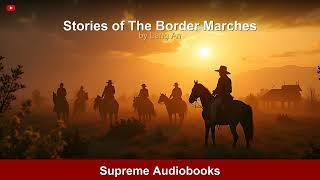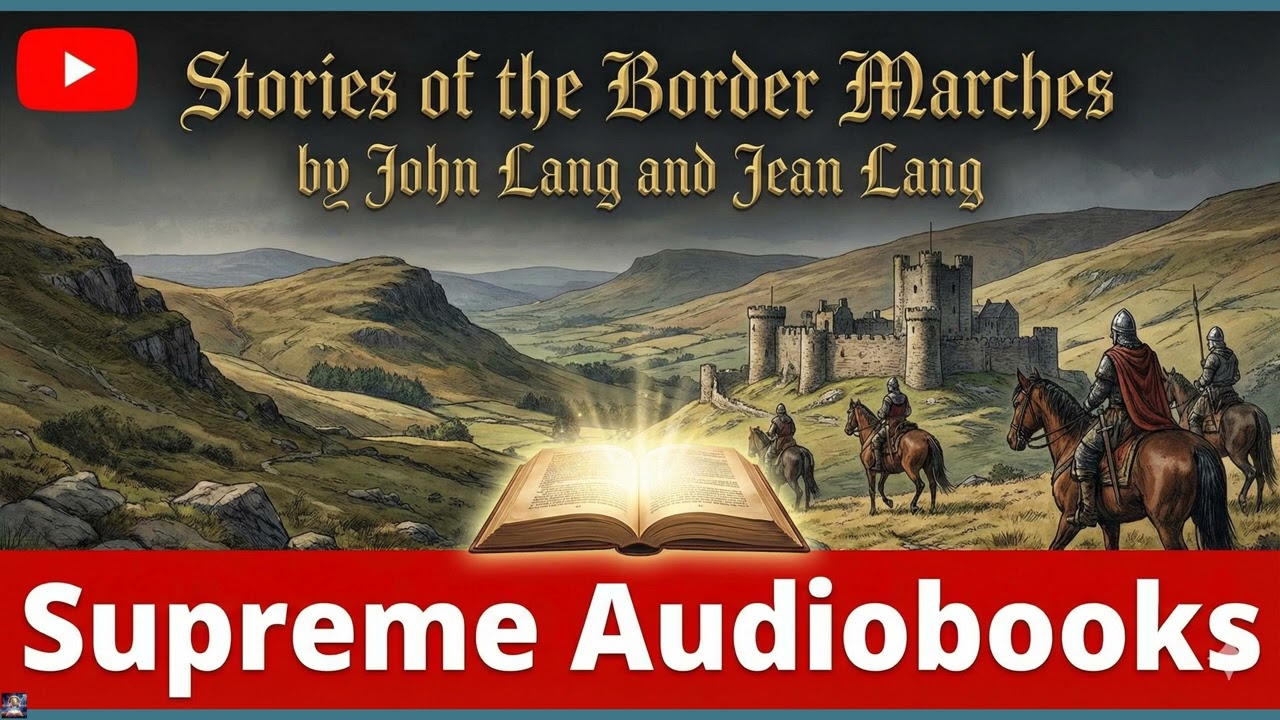
Stories of the Border Marches - John Lang and Jean Lang
Step into a land where history bleeds into legend, where every crag and river holds a whispered tale of old. Stories of the Border Marches is more than a mere collection; it is an echo of a turbulent past, a mosaic of courage, conflict, and enduring spirit drawn from the wild heart of the Anglo-Scottish frontier. Here, the raw, dramatic sagas of clans, kings, reivers, and common folk who carved their lives from a perilous landscape come alive. These narratives speak to the universal human condition, illustrating the forces of loyalty and betrayal, the struggle for survival, and the profound impact of place on identity, reminding us that even in the distant past, the human heart grappled with trials that feel intimately familiar even today. The setting for these tales is the Border Marches, a region historically caught between the two kingdoms of England and Scotland, a land defined by constant skirmish and shifting allegiances. Here, fortified castles stand as grim sentinels, and ancient rivers like the Tweed and the Teviot bear silent witness to centuries of strife. The narratives introduce us to a diverse cast of characters: the daring and often ruthless Border reivers, figures like Kinmont Willie, whose audacious escape from Carlisle Castle became the stuff of legend; valiant knights defending their keeps against overwhelming odds; cunning outlaws seeking justice or vengeance in a land where law was often a distant concept; and ordinary men and women enduring hardship with remarkable fortitude. Each story, whether detailing a cattle raid, a tragic romance, a ghostly encounter, or a fierce battle, paints a vivid picture of daily life—and death—in this contested territory. While each story presents its own self-contained drama, a unifying thread runs through the collection: the relentless struggle for survival and identity in a land that offered little peace. We witness the cyclical nature of conflict, the brief respites of alliance, and the deeply ingrained sense of clan and family honor that dictated so many actions. The narrative arc within the collection moves through a variety of historical periods and local legends, from tales of early skirmishes to the more organized chaos of the Border reiver era, often culminating in moments of stark heroism, poignant loss, or profound reflection on the cost of conflict. There are no neat resolutions in these pages; rather, there is a clear-eyed presentation of a world where life was often brutal, but also illuminated by flashes of fierce loyalty and indomitable will. The genesis of Stories of the Border Marches lies in the fertile ground of tradition, folklore, and historical chronicling. John Lang and Jean Lang, a brother and sister writing team from the late nineteenth and early twentieth centuries, dedicated much of their literary careers to making history and legend accessible to a broad readership. Their contribution was less about inventing new narratives and more about collecting, refining, and presenting the vast oral and written traditions of their native Scotland. They drew from ancient ballads, local anecdotes, historical records, and the works of earlier chroniclers, carefully crafting them into coherent and engaging narratives. Their method of retelling these historical and folkloric tales meant their names became synonymous with preserving a valuable cultural heritage, bridging the gap between academic history and popular storytelling. They understood the power of a good story to transmit the spirit of an era, and they excelled at translating complex historical events and local legends into compelling prose that resonated with readers of all ages. At its core, Stories of the Border Marches illuminates several powerful themes. One central idea is the unyielding nature of conflict and the resilience of the human spirit. The constant raids, feuds, and battles depicted in the tales demonstrate a society perpetually at war, yet also one where individuals and communities repeatedly found strength to rebuild and resist. Consider the accounts of families losing everything to reivers, only to rise again, their determination a testament to their deep-rooted connection to the land and their lineage. Another recurring theme is loyalty and its intricate demands. Whether it's loyalty to one's clan, one's lord, or a chosen cause, these stories reveal the powerful bonds that held communities together—and the devastating consequences when those bonds were broken. Tales of individuals choosing honor over personal safety, or of tragic betrayals that ripple through generations, frequently punctuate the collection, showcasing the intense moral dilemmas faced by those in the Borderlands. The overpowering influence of place is another significant thread. The wild, rugged landscape of the Borders is not merely a backdrop; it is an active participant in these stories, shaping the strategies of raiders, offering refuge to outlaws, and instilling a unique character in its inhabitants. Descriptions of the misty moors, the swift-flowing rivers, and the ancient forests evoke a sense of untamed wilderness that both threatened and protected its people. Finally, the collection highlights the enduring power of oral tradition and collective memory. Many of these tales originated as songs, poems, or spoken histories passed down through generations. By committing them to print, the Langs ensured that these vibrant memories of Border life, heroism, and sorrow would continue to resonate, reminding us how stories become the very fabric of a culture's identity, preserving the deeds and emotions of those long past. When these stories were first published in the early twentieth century, Britain was experiencing a renewed surge of interest in its national histories and regional folklore. The legacy of romantic nationalism, greatly influenced by earlier figures like Sir Walter Scott who had himself romanticized the Scottish Borders, meant there was a receptive audience for tales of past heroism and adventure. This era also saw a rise in accessible historical accounts, moving away from purely academic texts towards more engaging, narrative-driven histories that appealed to a broader public. The Langs' work fit perfectly into this cultural moment, providing vivid and often dramatic retellings of events that shaped the national consciousness, offering a window into a bygone era of courage and drama at a time when industrialization and rapid social change might have otherwise threatened to obscure these older narratives. Their work offered both entertainment and a valuable connection to a shared historical and legendary heritage, cementing the importance of stories in defining a sense of identity. Listening to Stories of the Border Marches as an audiobook offers a singular opportunity to connect with these narratives in a way that echoes their original oral forms. The "several hours" of listening time allows for deep immersion into the world of the Borders, letting the atmosphere slowly settle around you. A skilled narrator brings the distinct voices of kings and commoners, the clatter of swords, and the quiet dignity of enduring hardship directly to your ears. Pay attention to the pacing, which shifts from the rapid tempo of a chase or a battle to the more measured tones of descriptive passages that conjure images of windswept hills and ancient stone. The narrator's delivery of dialogue can emphasize the sharp wit or grim determination of characters, adding layers of personality that enhance the impact of each self-contained drama. This format truly allows the legends to breathe, drawing you into a time and place where every stone has a story, and every story carries the weight of history.
Enjoyed Stories of the Border Marches - John Lang and Jean Lang? A few ways to support us
Audible & Amazon links are affiliate; we may earn a small commission at no extra cost.
About this production
Human narration by a volunteer reader from LibriVox.org, the public-domain audiobook project. LibriVox volunteers record literary works whose copyright has expired in the United States, releasing the resulting recordings into the public domain.
Stories of the Border Marches - John Lang and Jean Lang by John Lang and Jean Lang. The underlying text is in the U.S. public domain. We do not republish any modern copyrighted edition, translation, or commentary.
The 4K cinematic visuals accompanying this audiobook are generated by an AI image model from prompts derived from the source text. No copyrighted photos, paintings, or stock footage are used. AI generation is disclosed on every video on our YouTube channel as required by YouTube's altered/synthetic content policy.
English subtitles are transcribed from the LibriVox recording with OpenAI Whisper. Translations into the 11 other supported languages are produced by Meta's NLLB-200 neural translation model. No human translator's copyrighted translation is used.
Questions about sourcing or rights? See our DMCA & Sourcing policy or contact us.
Enjoyed this audiobook?
If you'd like to own a copy of Stories of the Border Marches - John Lang and Jean Lang or hear a professionally produced edition, the links below help support free audiobook production at no extra cost to you.
As an Amazon Associate we earn from qualifying purchases. Audible / print links are affiliate.