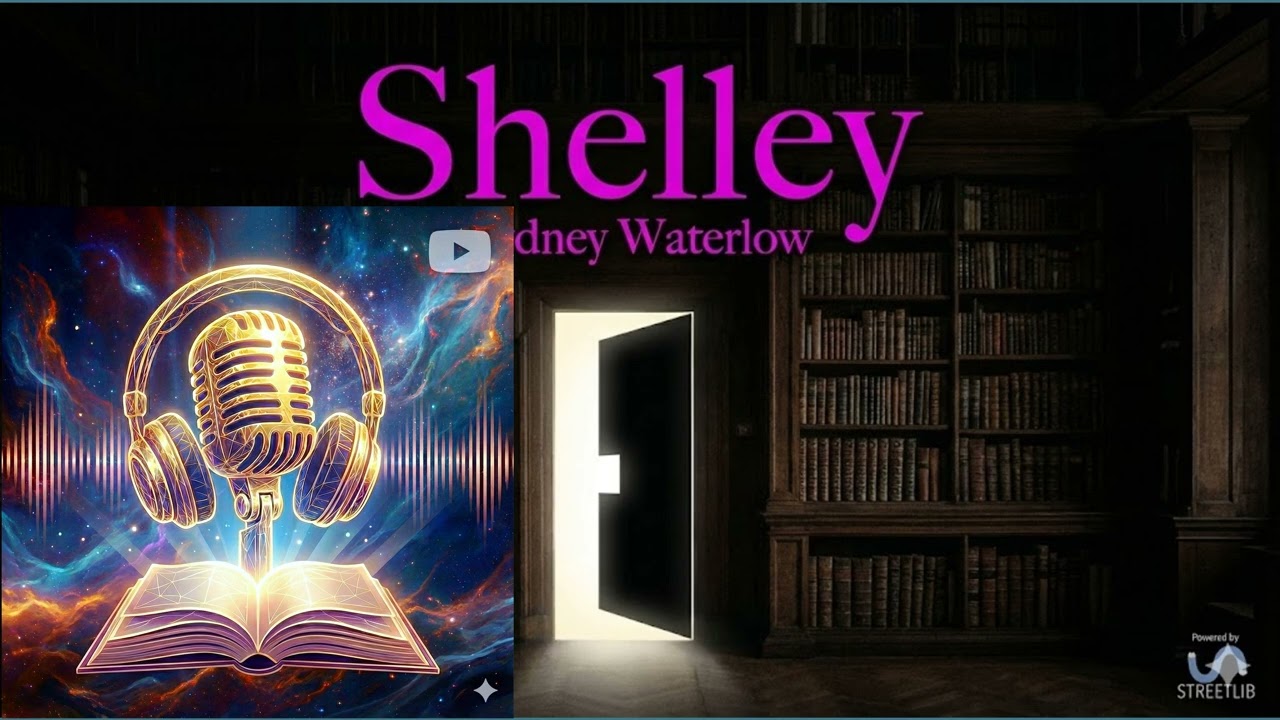
Shelley
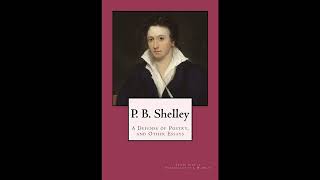
In the annals of literary history, few figures burn with the incandescent, defiant flame of Percy Bysshe Shelley. His name, synonymous with revolutionary thought, unbound passion, and breathtaking verse, continues to provoke and inspire more than two centuries after his fleeting life. Sydney Waterlow’s "Shelley" is not merely a chronicle of events, but a vivid re-creation of the man, his world, and the ideas that shaped an era. It’s a compelling invitation to step into the tumultuous heart of the Romantic Age, to witness firsthand the intellectual ferment and emotional intensity that drove one of England’s most celebrated, and controversial, poets. For anyone who has ever wrestled with the tension between idealism and reality, or yearned to break free from convention, this narrative offers a profound resonance, reminding us that the struggle for freedom of thought and expression is an eternal human endeavor. Waterlow’s narrative unfolds against the dramatic backdrop of early nineteenth-century England, a period reeling from the aftershocks of the French Revolution and grappling with the nascent stirrings of industrial change. We are introduced to the young Percy Bysshe Shelley as a brilliant, fiercely independent student at Oxford, already chafing under the weight of institutional authority and traditional dogma. His youthful radicalism, expressed in passionate pamphlets and rebellious acts, quickly sets him on a collision course with the conservative establishment, culminating in his expulsion—a pivotal moment that cements his identity as an outsider. The story follows his subsequent turbulent relationships, including his ill-fated first marriage to Harriet Westbrook, a union born more of youthful chivalry than enduring intellectual kinship. The arc of the story then traces Shelley’s intellectual and emotional awakening through his deepening friendships and encounters with fellow visionaries. A central thread is his fateful meeting with Mary Godwin, daughter of the radical philosopher William Godwin and Mary Wollstonecraft. Their immediate, profound connection forms the emotional core of the narrative, as Waterlow portrays their intellectual partnership and their controversial elopement as a defiant act against societal hypocrisy. The journey through Europe, shadowed by scandal and financial strain, provides a canvas for their burgeoning literary aspirations and the profound influence they had on each other. The narrative meticulously captures the vibrant, often chaotic, life of the Anglo-Italian literary expatriate community, where Shelley, Byron, and others sought a haven for their unconventional lives and radical ideas. The story builds toward a powerful understanding of a life lived at the extremes of human experience, driven by an unyielding pursuit of truth and beauty. Sydney Waterlow is an author celebrated for a distinctive ability to resurrect historical figures with both scholarly precision and narrative flair. While specific dates of Waterlow’s own life may not be widely disseminated, the work itself stands as testament to an author deeply versed in the literary and social intricacies of the late eighteenth and early nineteenth centuries. Waterlow's methodology consistently involves meticulous research, often drawing upon letters, diaries, and contemporary accounts to build narratives that are not just historically accurate but also psychologically astute. Waterlow’s contribution to literature lies in bringing lesser-understood dimensions of well-known figures to light, demonstrating how personal struggles and public ambitions interwove to shape their enduring legacies. This author is frequently associated with a particular kind of biographical fiction that bridges the gap between academic rigor and accessible storytelling, appealing to both scholars and general readers. Waterlow is known for crafting prose that is at once elegant and immediate, drawing readers into historical periods with an almost tactile sense of presence. "Shelley" resonates with several potent themes that remain pertinent. One primary theme is the rebellion against societal norms and authority. From Shelley’s expulsion from Oxford for his pamphlet "The Necessity of Atheism" to his radical views on marriage and politics, Waterlow illustrates his unwavering commitment to challenging convention. For example, a powerful scene depicts Shelley standing firm against the university dons, arguing passionately for intellectual freedom even as he faces institutional censure. Another crucial theme is the pursuit of ideal love and freedom. The narrative consistently portrays Shelley’s yearning for a pure, unconstrained form of connection, most poignantly in his relationship with Mary Godwin, which defied the rigid social structures of their time. The novel shows their shared intellectual curiosity and their belief in a love that transcends property and convention, often at great personal cost. A third significant theme is the power and purpose of poetry. Shelley saw poetry not as mere entertainment but as a transformative force, capable of inspiring social change and revealing deeper truths. Waterlow skillfully weaves in Shelley's own theories on the poet as an "unacknowledged legislator of the world," showing how his personal experiences and philosophical convictions fueled his artistic output. Moments of intense poetic creation, described within the narrative, reveal the depth of his conviction. Lastly, the book strongly enacts the theme of the struggle between idealism and reality. Shelley’s boundless optimism and belief in human perfectibility frequently clashed with the harsh realities of poverty, social ostracization, and personal loss. The narrative captures the poignant contrast between his grand visions for humanity and the more mundane, often tragic, events of his life, such as the loss of children and the constant need to evade creditors. The period in which Percy Bysshe Shelley lived was one of profound upheaval and intellectual ferment. Politically, Europe was still grappling with the ramifications of the French Revolution and the Napoleonic Wars, leading to a conservative backlash in Britain that saw increased censorship and suppression of radical thought. Culturally, the Industrial Revolution was beginning to transform society, creating new social classes and profound economic disparities. This landscape of change and repression directly fueled the Romantic movement, a literary and artistic tide that emphasized emotion, individualism, the sublime in nature, and a passionate questioning of established authority. Poets like Shelley, Byron, and Keats emerged as voices of this generation, seeking new forms of expression to articulate an age of intense feeling and revolutionary possibility. Waterlow’s work clearly positions Shelley as a central, if often controversial, figure within this vibrant and turbulent intellectual current, showcasing how his life and art were inextricably linked to the spirit of his age. The book helps us understand why his particular brand of idealism and rebellion found fertile ground precisely then, offering a compelling counter-narrative to the prevailing conservatism. Listening to "Shelley" as an audiobook offers a singular opportunity to fully immerse oneself in the lyrical and dramatic sweep of this biographical narrative. The extended run length, several hours in total, allows for an unhurried unfolding of Shelley’s complex life, perfect for sustained periods of listening—whether on a long commute, during daily tasks, or simply as an evening companion. A skilled narrator brings the prose to life, imbuing Waterlow’s carefully crafted dialogue with the passion and intensity inherent in the characters and their era. The subtle nuances of tone and pacing can elevate the scenes of intellectual debate, romantic fervor, and personal despair, drawing the listener deep into the emotional landscape. The spoken word allows the inherent musicality of Waterlow’s writing to shine, enhancing the atmospheric detail and allowing the listener to truly inhabit the revolutionary spirit and poetic heart of Percy Bysshe Shelley.
Enjoyed Shelley? A few ways to support us
Audible & Amazon links are affiliate; we may earn a small commission at no extra cost.
About this production
Human narration by a volunteer reader from LibriVox.org, the public-domain audiobook project. LibriVox volunteers record literary works whose copyright has expired in the United States, releasing the resulting recordings into the public domain.
Shelley by Sydney Waterlow. The underlying text is in the U.S. public domain. We do not republish any modern copyrighted edition, translation, or commentary.
The 4K cinematic visuals accompanying this audiobook are generated by an AI image model from prompts derived from the source text. No copyrighted photos, paintings, or stock footage are used. AI generation is disclosed on every video on our YouTube channel as required by YouTube's altered/synthetic content policy.
English subtitles are transcribed from the LibriVox recording with OpenAI Whisper. Translations into the 11 other supported languages are produced by Meta's NLLB-200 neural translation model. No human translator's copyrighted translation is used.
Questions about sourcing or rights? See our DMCA & Sourcing policy or contact us.
Enjoyed this audiobook?
If you'd like to own a copy of Shelley or hear a professionally produced edition, the links below help support free audiobook production at no extra cost to you.
As an Amazon Associate we earn from qualifying purchases. Audible / print links are affiliate.