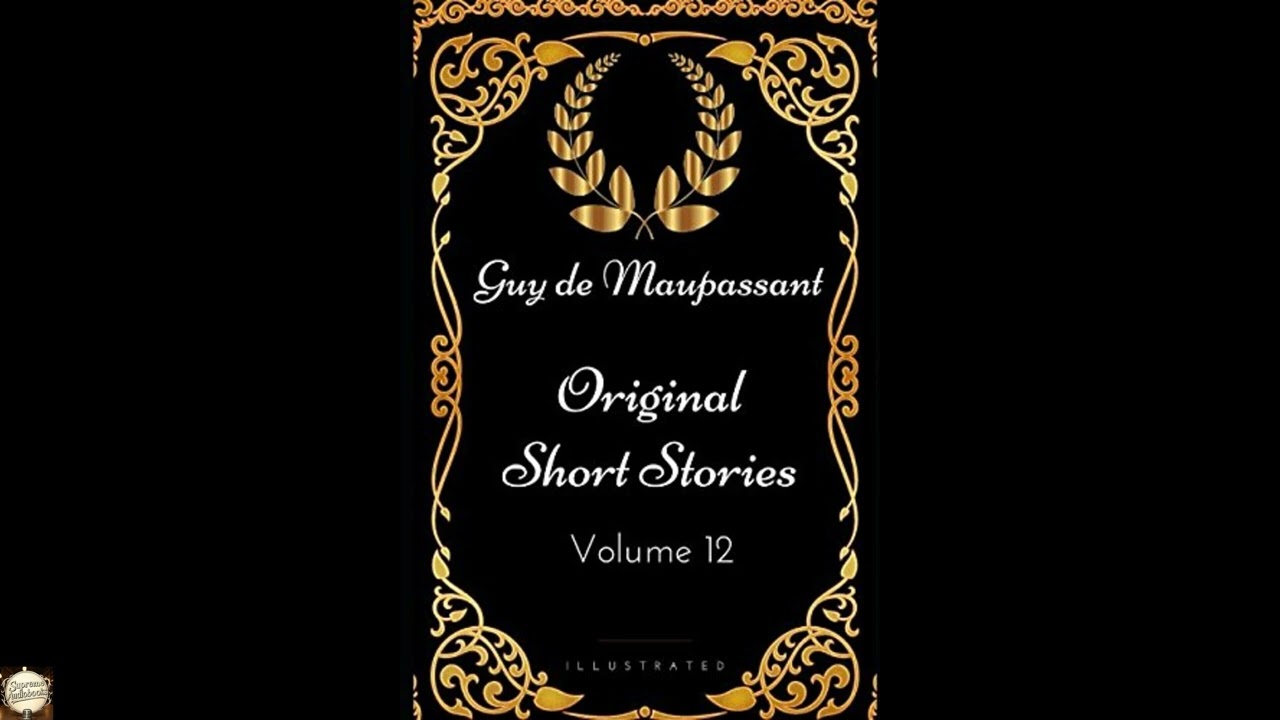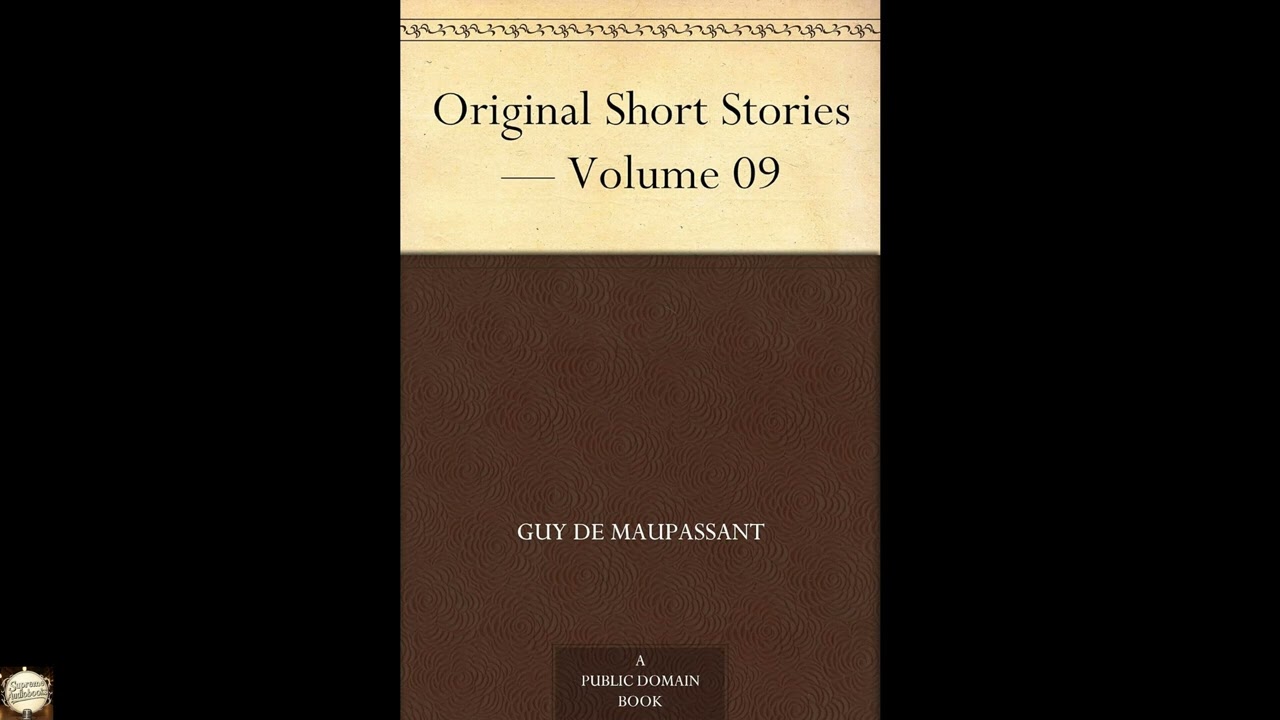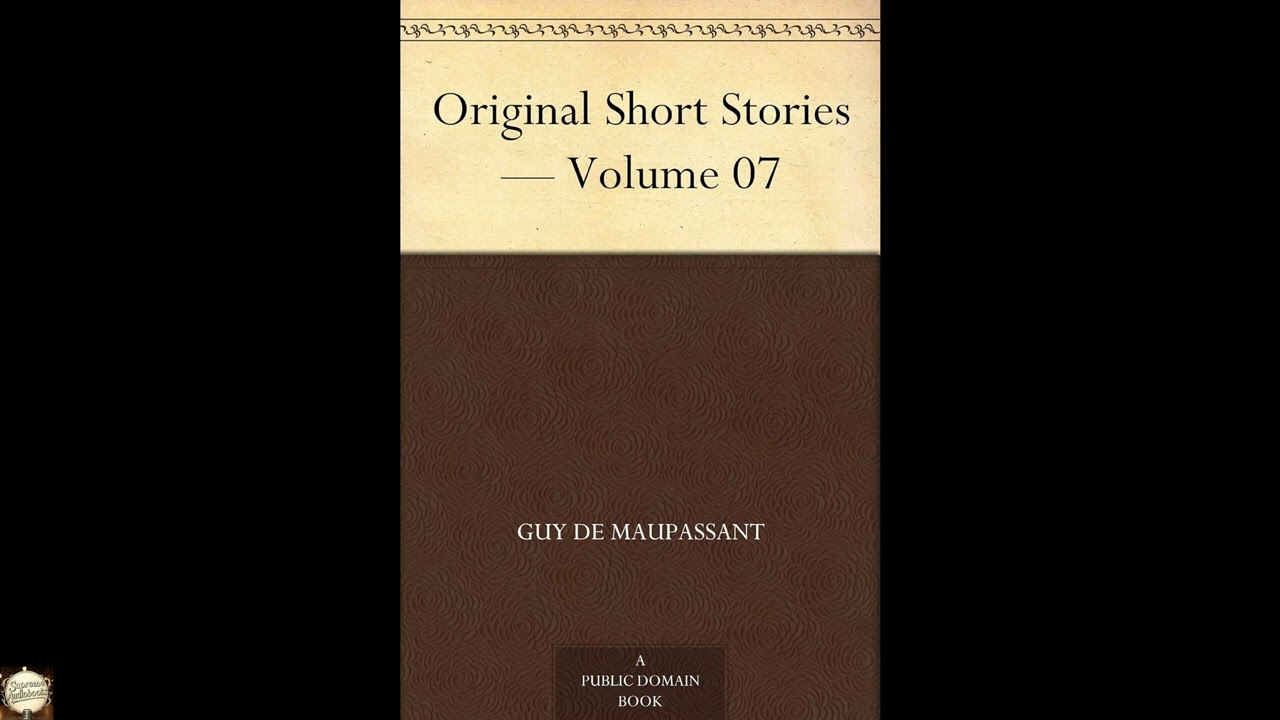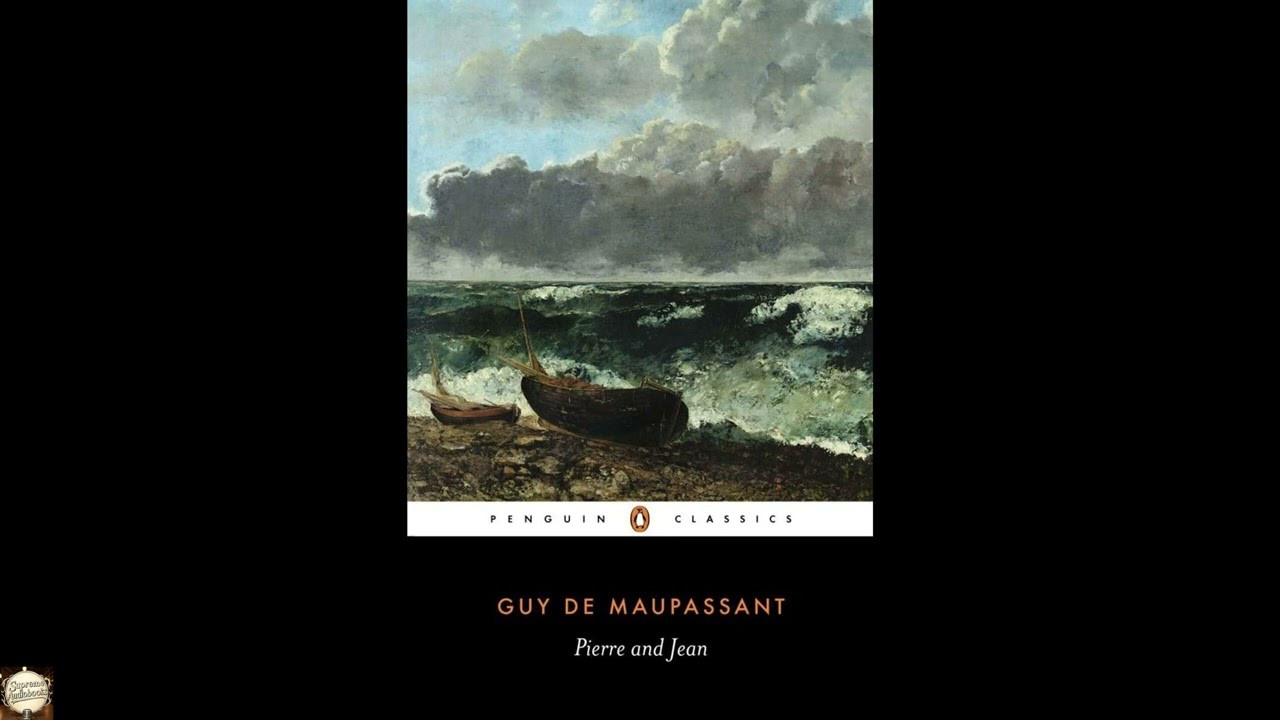
Original Short Stories — Volume 02
Guy de Maupassant stands as an undisputed giant of the short story form, and "Original Short Stories — Volume 02" offers a prime opportunity to discover or revisit his singular genius. These narratives peel back the veneer of polite society and individual pretense, revealing uncomfortable truths beneath. For anyone who appreciates narratives that cut to the core of human motivation and consequence with unflinching clarity, Maupassant’s precise prose and keen observations remain as potent and relevant today as when they first astonished readers. His stories are not merely tales; they are psychological incisions, moral fables stripped of sentimentality, each a perfectly polished window into the human condition that challenges assumptions. Rather than following a single plot, "Original Short Stories — Volume 02" gathers a variety of Maupassant's tales, each distinct yet bound by his signature style and preoccupations. Listeners will find themselves transported across the diverse landscape of late 19th-century France. Some stories root themselves in the rugged countryside of Normandy, where peasants and landowners contend with harsh agricultural realities, local gossip, and age-old customs. Here, characters might scheme over inheritances, wrestle with illicit desires, or simply endure the grinding monotony of their existence. Other narratives plunge into the bustling, stratified world of Parisian society, from the gilded salons of the bourgeoisie to the dim alleys of the marginalized. Characters frequently navigate the treacherous waters of social climbing, financial insecurity, and the search for love or status. We encounter government clerks stifled by routine, ambitious young women, and jaded aristocrats caught in webs of ennui or scandal. A recurring thread involves individuals wrestling with moral quandaries: temptation, secret burdens, or the painful clash between duty and desire. Maupassant often establishes seemingly ordinary situations only to introduce an unforeseen turn of events or a devastating revelation, laying bare the fragility of reputation or the crushing weight of circumstance, drawing a portrait of humanity both specific to its time and universally recognizable. Guy de Maupassant, born in 1850 in Dieppe, France, lived a life marked by both literary brilliance and profound personal struggle. His early years in Normandy profoundly influenced the settings and character types found in much of his writing. A pivotal moment arrived when he formed a close, if demanding, mentorship with Gustave Flaubert, the celebrated Realist novelist. Flaubert not only guided Maupassant's early literary attempts but instilled in him a rigorous discipline, an unwavering commitment to precise observation, and an absolute dedication to finding the mot juste—the perfect word. This exacting training honed Maupassant’s craft to an extraordinary degree, enabling remarkable clarity and conciseness. His initial literary success came late in his twenties with the short story "Boule de Suif" in 1880, a powerful tale set during the Franco-Prussian War that immediately established his reputation. Over the next decade, Maupassant became an astonishingly prolific writer, producing nearly 300 short stories, six novels including Bel-Ami and Une Vie, and several volumes of travel writing. He quickly became a leading figure of the Naturalist and Realist movements, known for his unsparing, objective depiction of life, free from romantic idealization. His work often dissected the social structures and moral hypocrisies of his time, earning him a significant place in French literature. Sadly, Maupassant's intense productivity was cut short by syphilis, leading to severe mental and physical decline. He died in 1893 at the age of 42, leaving behind a body of work that continues to resonate. Maupassant's stories consistently dissect several enduring human themes with surgical precision. One pervasive theme is social hypocrisy and the deceptive nature of appearances. His narratives often expose how individuals—from society's highest echelons to the humblest villagers—maintain elaborate facades to conceal their true motivations or moral failings. A character might meticulously curate their public image, only for a sudden turn of events to reveal their selfishness or the hollowness of their supposed virtue, demonstrating how status can corrupt judgment. Another prominent theme is the arbitrariness of fate and human helplessness in the face of circumstance. Many characters find their lives drastically altered by chance occurrences, unexpected inheritances, or minor decisions that snowball into tragedy. Maupassant depicts a world where justice is rarely poetic, and merit does not guarantee reward; instead, luck, accident, or the impersonal march of events often dictate outcomes, leaving individuals vulnerable and sometimes utterly ruined. This sense of an indifferent universe lends his stories a profound, often melancholic, realism. He also frequently examines the brutality and absurdity of war, drawing from his own experiences during the Franco-Prussian conflict, stripping away patriotic fervor to reveal the suffering, senseless violence, and psychological scars left on soldiers and civilians alike. Maupassant's prolific writing career unfolded during the early years of the Third French Republic (c. 1870s-1890s). This era was marked by significant societal changes following France's humiliating defeat in the Franco-Prussian War and the subsequent civil unrest of the Paris Commune. The nation grappled with rebuilding its identity, navigating a new republican government, and dealing with war's psychological wounds. Culturally, rapid industrialization and urbanization led to stark contrasts between wealth and poverty. Scientific advancements challenged traditional beliefs, fostering a more empirical view of the world. These historical realities provided fertile ground for Maupassant's storytelling. His unflinching depictions of ordinary people—peasants, bourgeois, soldiers—directly reflected the social anxieties and transformations of his time. The rise of Realism and Naturalism, movements spearheaded by writers like Émile Zola and Flaubert, sought to present life as it truly was, focusing on existence's grittier aspects and human psychological motivations. Maupassant, with his sharp observational skills, perfectly captured the spirit of an age shedding romantic illusions. Experiencing Maupassant's "Original Short Stories — Volume 02" as an audiobook offers a unique gateway into his world. A skilled narrator can bring to life the distinct voices and subtle emotional shifts crucial to his storytelling. Listeners can savor the carefully constructed sentences and the measured pacing that often builds to a sudden, often ironic, climax. The cadence of dialogue, the nuances of description—whether depicting dusty Norman roads or hushed Parisian drawing rooms—take on an added dimension when voiced. This format allows for an immersive experience, inviting listeners to truly inhabit the settings and situations, feeling the weight of the characters’ dilemmas and the sharp sting of their revelations. The spoken word delivers these classic narratives with an immediacy that enhances their enduring power.
Enjoyed Original Short Stories — Volume 02? A few ways to support us
Audible & Amazon links are affiliate; we may earn a small commission at no extra cost.
About this production
Human narration by a volunteer reader from LibriVox.org, the public-domain audiobook project. LibriVox volunteers record literary works whose copyright has expired in the United States, releasing the resulting recordings into the public domain.
Original Short Stories — Volume 02 by Guy de Maupassant. The underlying text is in the U.S. public domain. We do not republish any modern copyrighted edition, translation, or commentary.
The 4K cinematic visuals accompanying this audiobook are generated by an AI image model from prompts derived from the source text. No copyrighted photos, paintings, or stock footage are used. AI generation is disclosed on every video on our YouTube channel as required by YouTube's altered/synthetic content policy.
English subtitles are transcribed from the LibriVox recording with OpenAI Whisper. Translations into the 11 other supported languages are produced by Meta's NLLB-200 neural translation model. No human translator's copyrighted translation is used.
Questions about sourcing or rights? See our DMCA & Sourcing policy or contact us.
Enjoyed this audiobook?
If you'd like to own a copy of Original Short Stories — Volume 02 or hear a professionally produced edition, the links below help support free audiobook production at no extra cost to you.
As an Amazon Associate we earn from qualifying purchases. Audible / print links are affiliate.