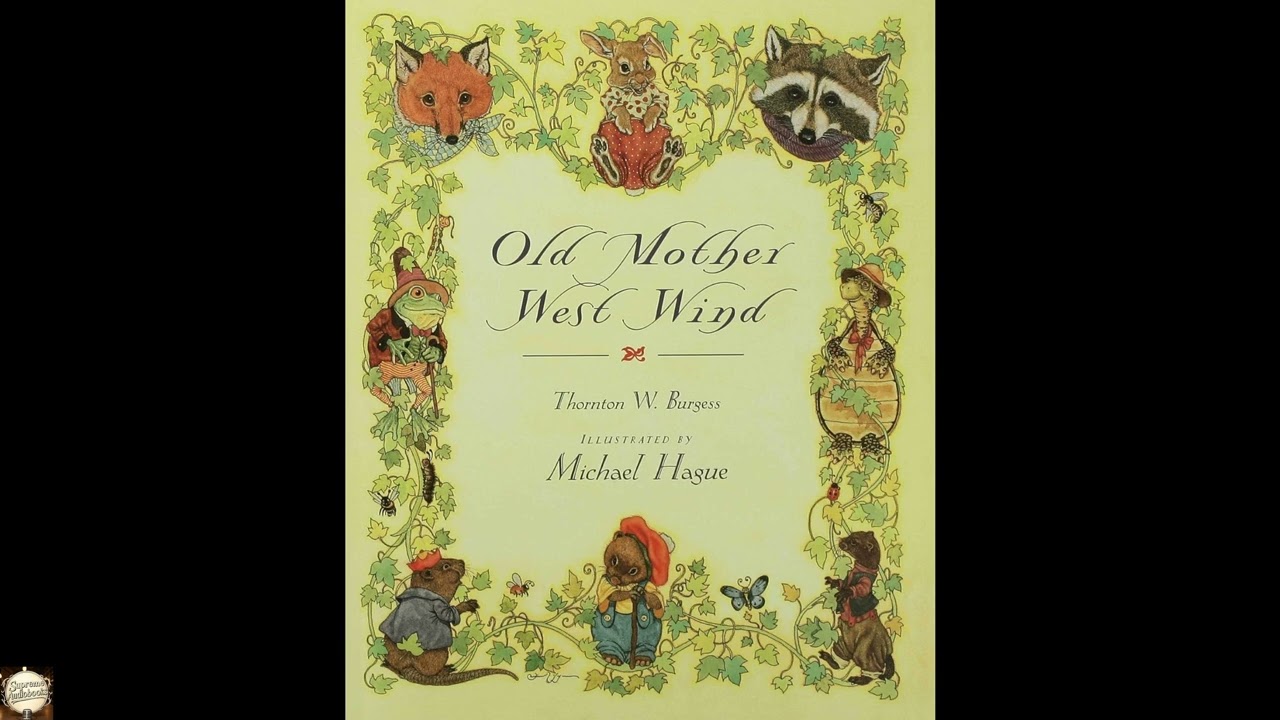
Old Mother West Wind
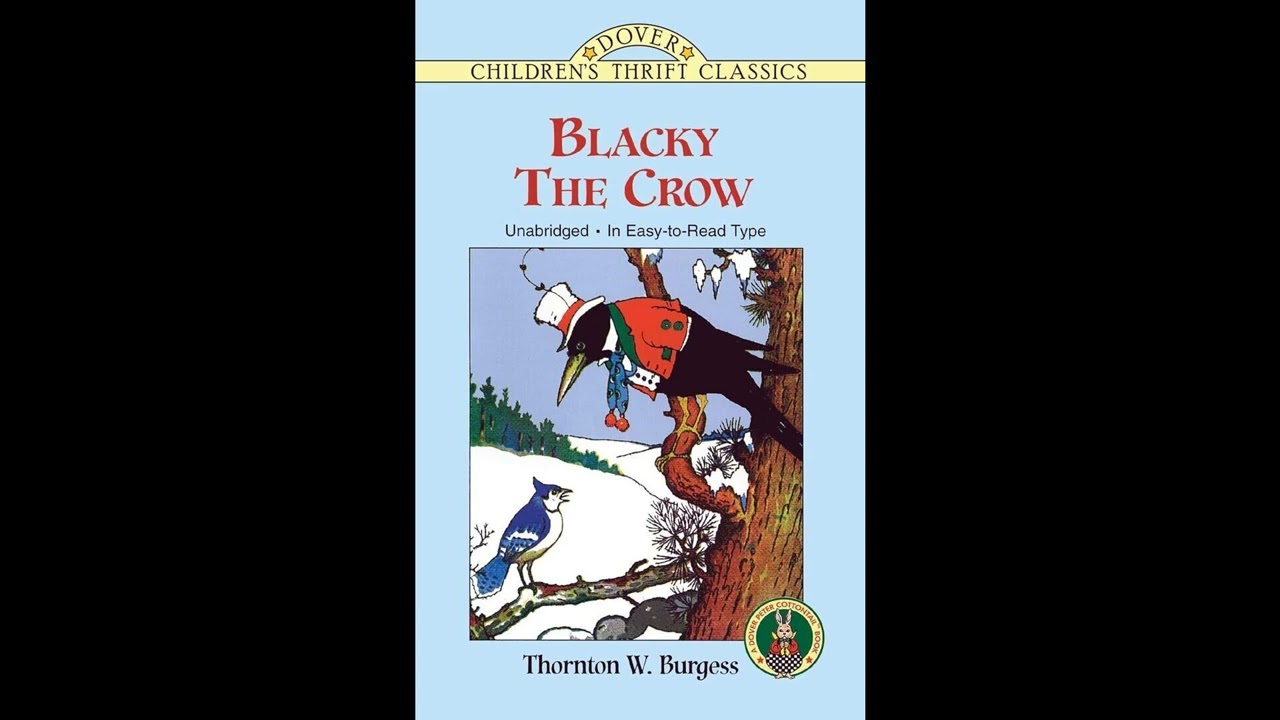
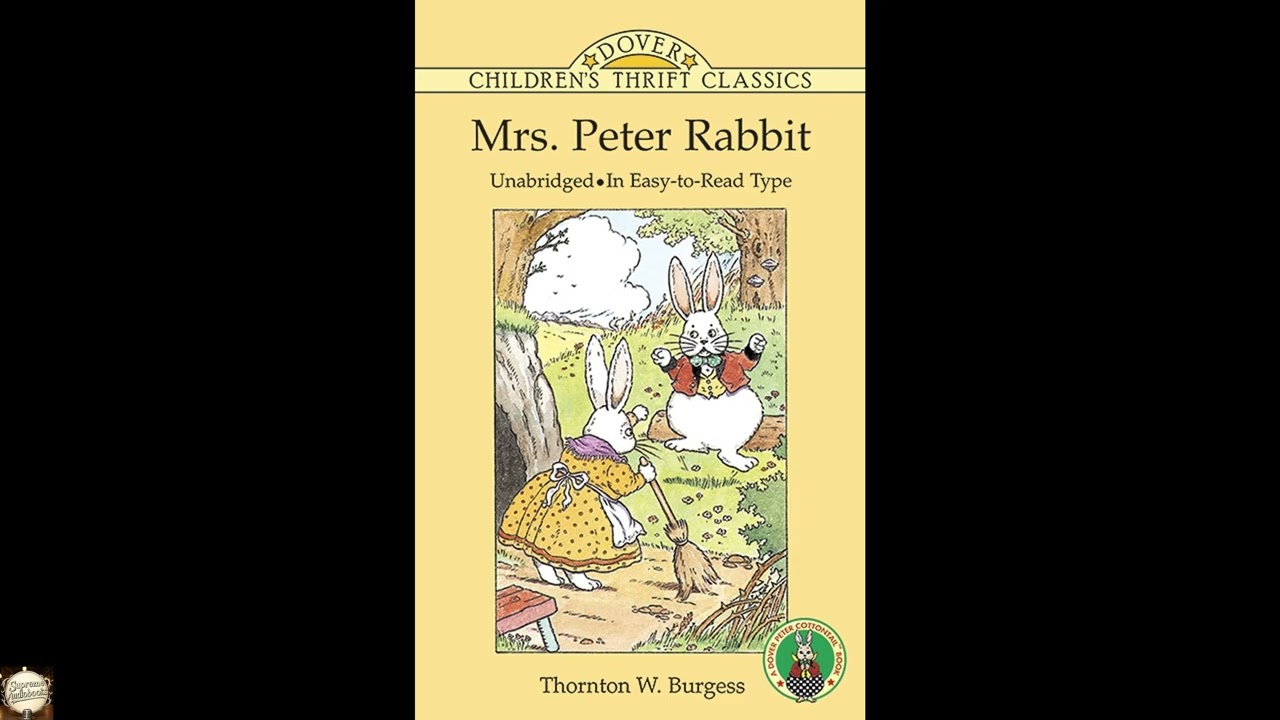
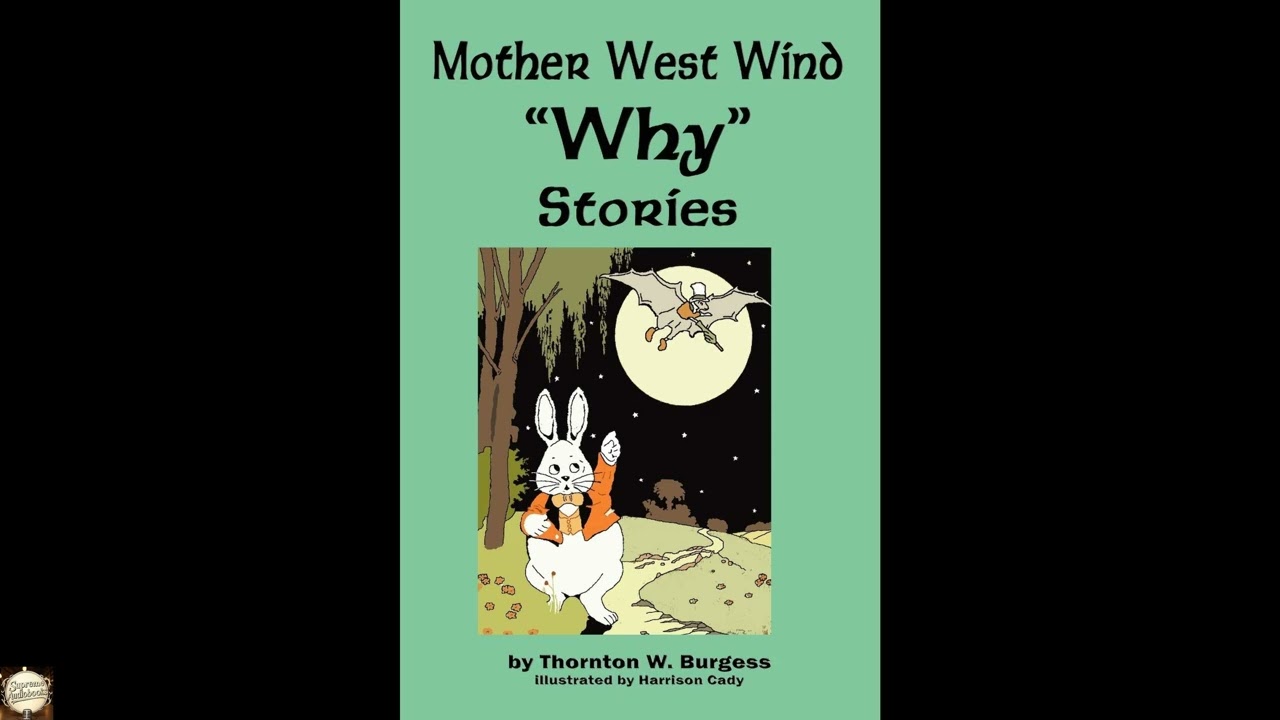
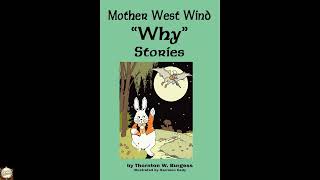
Step into a world where the whispers of the wind carry the secrets of the forest, where the animals of the Green Meadows live out their daily lives, full of simple joys, minor squabbles, and valuable lessons. Thornton W. Burgess's "Old Mother West Wind" offers listeners a warm, gentle invitation into this delightful realm, a place where nature's rhythms dictate the pace of life and anthropomorphic creatures embody the universal experiences of childhood and community. Published in 1910, this collection of stories has charmed generations, acting as a foundational text in American children's literature and continuing to provide a soothing, enriching escape in an increasingly fast-paced world. It's a reminder of the fundamental truths found in observing nature and understanding the consequences of our actions, presented with a comforting simplicity that resonates just as powerfully today. The stories unfold primarily in the idyllic landscape of the Green Meadows, nestled beside the Laughing Brook and bordered by the Whispering Woods. Here, Old Mother West Wind, a benevolent and guiding force, brings her children – the Merry Little Breezes – to visit the various animal inhabitants. These animals are the true heart of the book: the curious and sometimes mischievous Peter Rabbit, the often grumpy but ultimately good-hearted Johnny Chuck, the proud but learning-prone Sammy Jay, the quick-witted Reddy Fox, and the wise old Granny Fox, among many others. Each chapter introduces a new scenario, often sparked by a misunderstanding, a playful trick, a moment of vanity, or a simple misstep, providing the central "conflict" for that particular tale. Peter Rabbit might decide to sample Farmer Brown's garden, leading to a frantic chase and a lesson about caution. Sammy Jay's gossip could cause trouble among the other birds. Reddy Fox's cleverness might lead him to a temporarily successful scheme, only to find himself outsmarted in the end. The overarching arc isn't a single grand quest but rather the continuous cycle of life in the Green Meadows. Day by day, season by season, the animals learn to coexist, to respect each other's habits and territories, and to navigate the small challenges that arise. Old Mother West Wind often serves as a gentle, unseen mentor, or her Merry Little Breezes might play a part in resolving a dilemma or revealing a truth. The stories are steeped in a sense of natural order, where every action has a natural consequence, and kindness and honesty are always eventually rewarded. It’s a world where the smallest creature has a role to play, and where the wisdom of the elders, like Granny Fox, provides guidance through the inevitable bumps in the road. The creator of this cherished literary landscape was Thornton Waldo Burgess, a remarkable American naturalist and author born in Sandwich, Massachusetts, in 1874. His connection to the natural world began early, spending his childhood observing the flora and fauna of Cape Cod. This deep personal familiarity with animals and their habitats would become the cornerstone of his life's work. Burgess started his career as a journalist, but it was in 1910 – the same year "Old Mother West Wind" was published – that he began writing daily animal stories for newspapers, initially for his young son. This proved to be a turning point, launching a prolific career that would see him author over 170 books and some 15,000 individual stories. Burgess’s writing was characterized by his gentle anthropomorphism, imbuing his animal characters with distinct personalities and human-like dilemmas while still grounding them in accurate natural history. His other notable works, such as "The Adventures of Peter Cottontail," "The Adventures of Reddy Fox," and "The Adventures of Buster Bear," further populated his fictional universe of the Green Forest and the Smiling Pool, creating a cohesive and beloved world for young readers. He became a significant figure in children's literature, not just for his storytelling but for his underlying mission to teach respect for nature and wildlife conservation. His work established him as a pioneer in American nature literature for children, influencing generations to look more closely and kindly at the world around them before his passing in 1965. "Old Mother West Wind" enacts several enduring themes, most notably the rhythms of nature and the interconnectedness of all living things. The very structure of the stories, following the seasons and the daily routines of the animals, highlights the cyclical nature of life. We see how the actions of one character, say Peter Rabbit raiding the garden, directly impact Farmer Brown and potentially the food supply for other animals, illustrating a basic ecological principle. Burgess uses these interactions to gently show how each creature, from the smallest field mouse to the largest bear, plays a role in the delicate balance of their shared environment, fostering a sense of wonder and respect for the natural world itself. Another central theme is that of gentle morality and consequences. Burgess never preaches; instead, he allows the animals' experiences to demonstrate the outcomes of their choices. When Sammy Jay spreads rumors, he often finds himself ostracized or directly affected by the negative fallout. When Peter Rabbit disobeys his mother, he learns a firsthand lesson about danger. These tales, rather than being heavy-handed, use the charming antics of their characters to convey lessons about honesty, kindness, caution, and the value of thinking before acting. The stories teach that while mischief might be fun for a moment, good character and respect for others lead to a more harmonious and safer life. The publication of "Old Mother West Wind" in 1910 emerged during a significant period in American cultural and literary history. The turn of the 20th century saw rapid industrialization and urbanization across the United States. Many children, especially those in burgeoning cities, were increasingly disconnected from the natural world that had defined earlier generations. Simultaneously, a robust conservation movement was gaining traction, fueled by figures like President Theodore Roosevelt, who championed the establishment of national parks and promoted an ethos of environmental stewardship. Burgess's stories provided a vital bridge, reconnecting children with nature in an engaging and accessible way. They offered a romanticized but fundamentally accurate portrayal of wildlife, fostering an appreciation for animals and their habitats at a time when such a connection was becoming less common. His work aligned perfectly with the growing public interest in conservation, serving as an early form of environmental education that encouraged empathy for wild creatures. In the literary world, it built upon a tradition of animal fables while carving out a distinct American voice, focusing on native animals and landscapes, and cementing a genre of nature stories for children that continues to influence authors today. Listening to "Old Mother West Wind" as an audiobook offers a truly special experience, allowing the stories to unfold with an intimate charm that print might not fully capture. The narration becomes the very voice of Old Mother West Wind herself, a comforting presence guiding you through the Green Meadows. Pay attention to the pacing, which often mirrors the unhurried rhythm of nature, allowing space for reflection and imagination. A skilled narrator will differentiate the many animal characters through subtle vocal shifts, bringing Peter Rabbit's eagerness, Reddy Fox's slyness, and Johnny Chuck's grumpiness vividly to life, making the dialogue sparkle with personality. The atmospheric quality of the narration – the rustle of leaves, the gurgle of the brook, the hoot of an owl – can truly transport you to Burgess's world, whether you're listening with children at bedtime or seeking a quiet moment of solace yourself. With several hours of content, it's a perfect companion for long car rides, peaceful afternoons, or as a gentle backdrop to daily routines, inviting you to return again and again to its timeless wisdom and comforting narratives.
Enjoyed Old Mother West Wind? A few ways to support us
Audible & Amazon links are affiliate; we may earn a small commission at no extra cost.
About this production
Human narration by a volunteer reader from LibriVox.org, the public-domain audiobook project. LibriVox volunteers record literary works whose copyright has expired in the United States, releasing the resulting recordings into the public domain.
Old Mother West Wind by Thornton W. Burgess. The underlying text is in the U.S. public domain. We do not republish any modern copyrighted edition, translation, or commentary.
The 4K cinematic visuals accompanying this audiobook are generated by an AI image model from prompts derived from the source text. No copyrighted photos, paintings, or stock footage are used. AI generation is disclosed on every video on our YouTube channel as required by YouTube's altered/synthetic content policy.
English subtitles are transcribed from the LibriVox recording with OpenAI Whisper. Translations into the 11 other supported languages are produced by Meta's NLLB-200 neural translation model. No human translator's copyrighted translation is used.
Questions about sourcing or rights? See our DMCA & Sourcing policy or contact us.
Enjoyed this audiobook?
If you'd like to own a copy of Old Mother West Wind or hear a professionally produced edition, the links below help support free audiobook production at no extra cost to you.
As an Amazon Associate we earn from qualifying purchases. Audible / print links are affiliate.