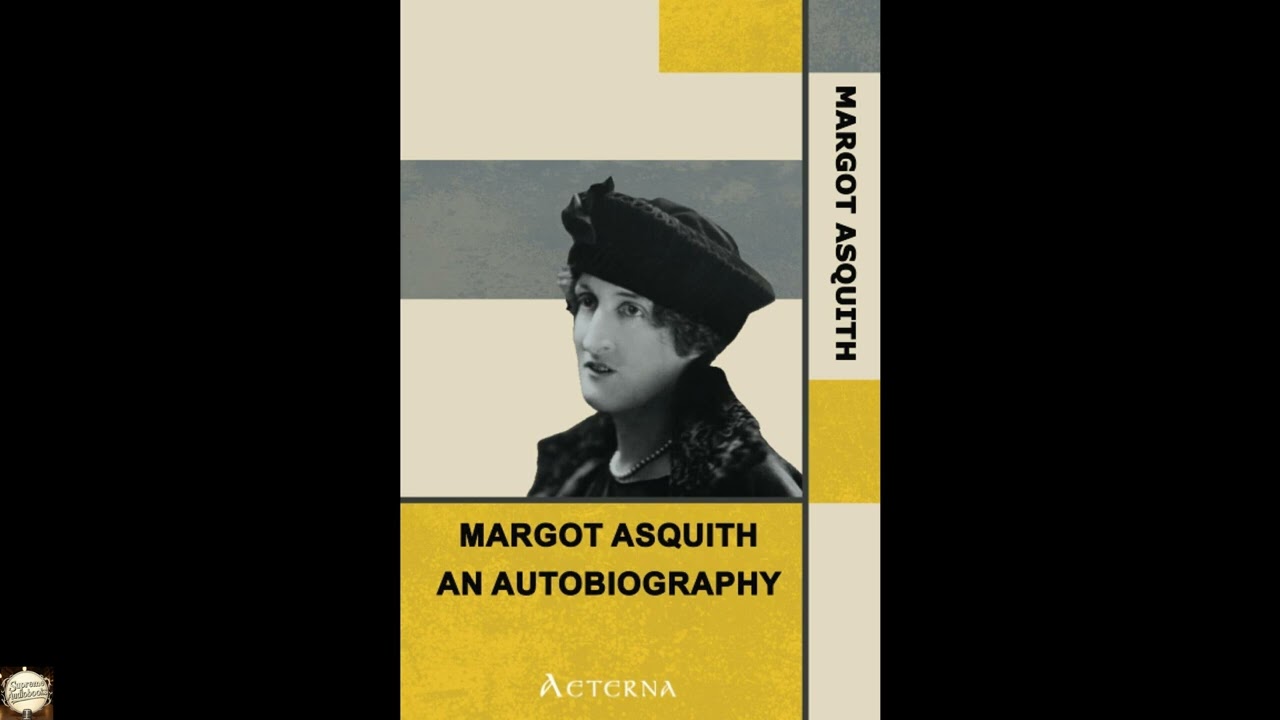
Margot Asquith, an Autobiography - Two Volumes in One
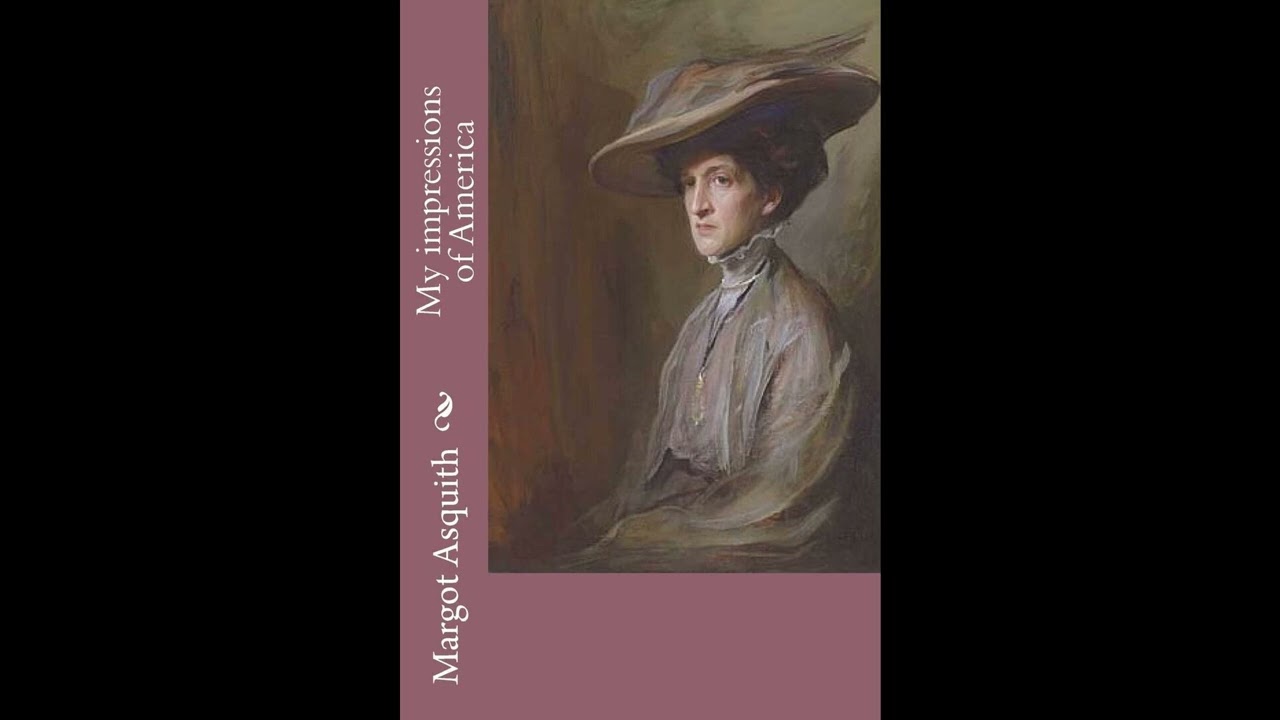
Step into the gilded drawing rooms, the hushed parliamentary corridors, and the intellectual salons of late Victorian and Edwardian Britain through the eyes and irrepressible voice of Margot Asquith. Her autobiography is more than just a historical account; it is a declaration of an extraordinary life lived at the very epicentre of power, wit, and social change. Far from a mere chronicle of events, this book offers an intensely personal, often startlingly candid, and always compelling self-portrait of a woman who defied the rigid expectations of her time, observed the great figures of her age with an unblinking gaze, and helped shape the intellectual and political landscape around her. In an era when women's voices in the public sphere were often muted or dismissed, Margot Asquith commanded attention, and her story, filled with both glittering triumphs and profound sorrows, remains as provocative and relevant today as it was when first penned. This sweeping narrative transports listeners to a period of immense transformation, following Margot Tennant's early life as the unconventional and spirited daughter of a wealthy Scottish industrialist. We see her emerge as a prominent figure in "the Souls," a brilliant and intellectually curious group of aristocrats and politicians who eschewed superficial Victorian society for deeper conversation and companionship. Margot's vivacious personality, her sharp intellect, and her often-scandalous frankness marked her as unique, making her a magnetic presence in London's highest circles. The story traces her path from a sought-after socialite and intellectual sparring partner to her eventual marriage to Herbert Henry Asquith, a rising barrister and Liberal politician who would ultimately become Prime Minister of the United Kingdom. As the narrative progresses, it takes us into the heart of British political life. Margot becomes the unflinching chronicler of her husband’s career and the momentous events that shaped the nation. She recounts her experiences as a political wife, her unique vantage point offering unparalleled insights into the personalities and machinations behind the headlines. Her candid observations of figures such as William Gladstone, Benjamin Jowett, Arthur Balfour, and Winston Churchill provide a human dimension to history, revealing their strengths, their weaknesses, and their often-complex relationships with one another. The arc of the story is one of a woman finding her voice and influence within a patriarchal society, never compromising her authenticity, and leaving an indelible mark on the public consciousness through her relentless pursuit of truth, as she saw it. Margot Asquith, born Emma Alice Margaret Tennant in 1864, was a woman whose life story reads like a compelling historical novel. Daughter of Sir Charles Tennant, a powerful industrialist and Liberal MP, she grew up in an environment that fostered both privilege and intellectual inquiry. Her early life was marked by close friendships with many of the leading lights of her generation, forming a distinctive social and intellectual set known as "the Souls," celebrated for their wit, erudition, and defiance of conventional social bores. Her marriage in 1894 to H.H. Asquith, a widower 10 years her senior with five children, thrust her even further into the heart of British politics and public life. She became a formidable political hostess, known for her brilliant conversation and her ability to draw together an eclectic mix of guests, from statesmen and writers to artists and philosophers. Although this autobiography is her most famous literary contribution, she also published a novel, "Octavia," and continued to write extensively throughout her life, often contributing to newspapers and journals. Her place in the literary canon is secured as one of the most significant memoirists of the early 20th century, providing a primary source for understanding the social, cultural, and political landscape of her time. She continued to live a full and engaged life until her passing in 1945, having witnessed two world wars and profound shifts in the British social order. At its core, Margot Asquith’s autobiography is a profound meditation on the role of women in society, particularly women of intellect and agency in an era that largely confined them to domestic or decorative functions. Margot refused to be either. She used her intelligence and social position to engage with the pressing issues of her day, often challenging the established order and offering sharp critiques of her male contemporaries. Her accounts reveal the subtle ways women exerted influence in drawing rooms and private conversations, even when denied formal political power. One memorable example comes in her interactions with powerful figures, where she consistently held her own in debates, proving herself to be an equal, if not superior, conversationalist, often using her wit to disarm or enlighten. The book also stands as a significant record of power and politics from an intensely personal and often irreverent perspective. She details the human side of statesmanship, offering portraits of politicians not as monolithic figures, but as individuals with foibles, ambitions, and insecurities. Her depictions of cabinet crises and parliamentary maneuvers are infused with the drama of human relationships, providing a rare glimpse behind the political curtain. For instance, her candid assessment of Gladstone, a towering figure, is not just a historical account but a psychological study of a man she knew personally, detailing his charm alongside his perceived flaws, painting a far more nuanced picture than official histories might offer. This keen observation of character, applied to herself as much as to others, gives the text its enduring resonance. The autobiography emerged during a period of immense societal introspection in Britain, published between 1920 and 1922, shortly after the end of the devastating First World War. This was a time when the certainties of the Victorian and Edwardian eras had been shattered, and the world was grappling with unprecedented change. The Liberal Party, once dominant, was in decline, and the political landscape was shifting dramatically. Margot Asquith's work thus serves as both a reflection on a vanished era and a commentary on her own place within it. It represents an attempt to record a particular way of life and a cast of characters for posterity, perhaps to defend her husband's legacy in the face of changing public opinion, and certainly to present her own narrative on her own terms, fiercely independent as ever. To experience "Margot Asquith, an Autobiography" as an audiobook is to gain direct access to the inimitable voice and personality of its author. The spoken word brings a new dimension to her renowned wit, allowing the listener to truly appreciate the precise rhythm of her sentences, the dry humor, and the emotional shifts from playful anecdote to moments of profound reflection. With a running length spanning several hours, this allows for deep immersion into the world she so vividly describes, making it perfect for extended listening sessions, whether at home, during a commute, or on a long walk. Listen for the nuances in the narration, which can emphasize her sharp observations, the delightful turns of phrase, and the subtle inflections that illuminate her strong opinions and spirited character, making you feel as if you are sitting beside her, listening to her tell her remarkable story firsthand.
Enjoyed Margot Asquith, an Autobiography - Two Volumes in One? A few ways to support us
Audible & Amazon links are affiliate; we may earn a small commission at no extra cost.
About this production
Human narration by a volunteer reader from LibriVox.org, the public-domain audiobook project. LibriVox volunteers record literary works whose copyright has expired in the United States, releasing the resulting recordings into the public domain.
Margot Asquith, an Autobiography - Two Volumes in One by Margot Asquith. The underlying text is in the U.S. public domain. We do not republish any modern copyrighted edition, translation, or commentary.
The 4K cinematic visuals accompanying this audiobook are generated by an AI image model from prompts derived from the source text. No copyrighted photos, paintings, or stock footage are used. AI generation is disclosed on every video on our YouTube channel as required by YouTube's altered/synthetic content policy.
English subtitles are transcribed from the LibriVox recording with OpenAI Whisper. Translations into the 11 other supported languages are produced by Meta's NLLB-200 neural translation model. No human translator's copyrighted translation is used.
Questions about sourcing or rights? See our DMCA & Sourcing policy or contact us.
Enjoyed this audiobook?
If you'd like to own a copy of Margot Asquith, an Autobiography - Two Volumes in One or hear a professionally produced edition, the links below help support free audiobook production at no extra cost to you.
As an Amazon Associate we earn from qualifying purchases. Audible / print links are affiliate.