John of the woods
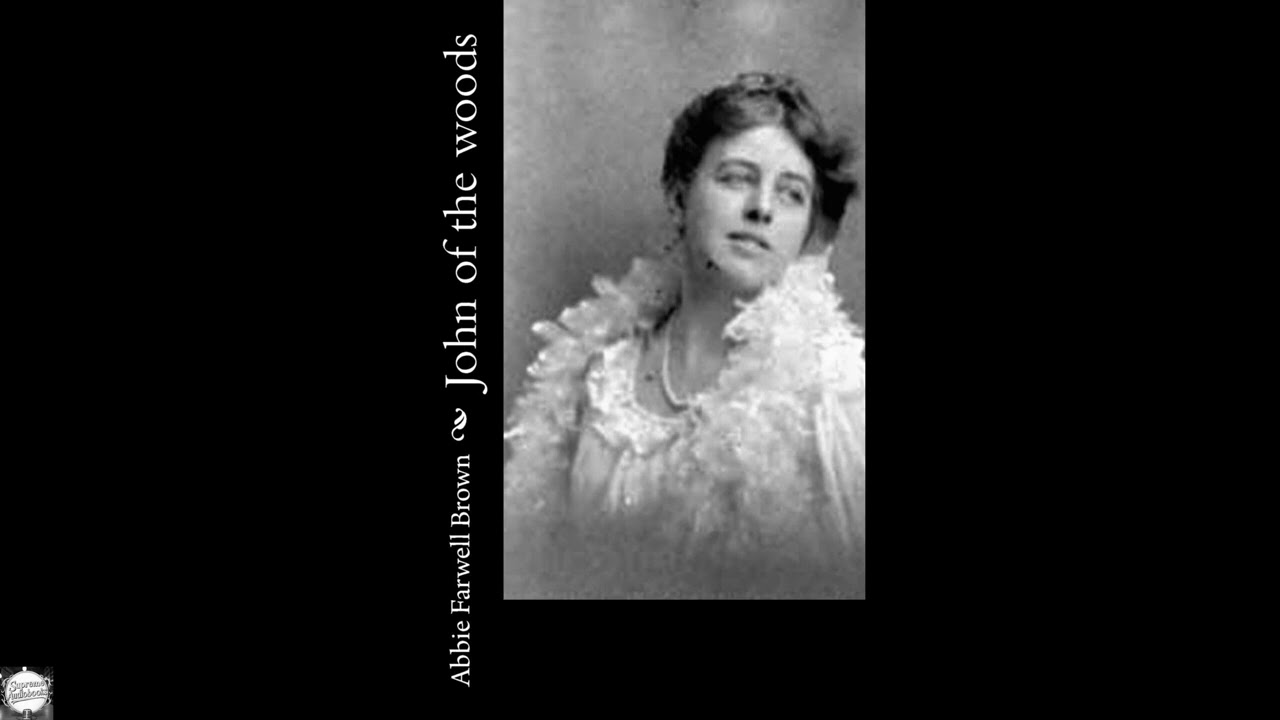
Imagine a world where the forest truly speaks, where a boy understands the language of birds, bears, and beavers, and where the line between human and animal friendship blurs into a profound connection. Abbie Farwell Brown's "John of the woods" invites listeners into such a realm, a turn-of-the-century classic that celebrates the wild heart of childhood and the deep wisdom of nature. First published in 1909, this story remains a gentle yet potent reminder of what we lose when we disconnect from the natural world, offering solace and wonder in its depiction of an unconventional upbringing. It poses fundamental questions about belonging, identity, and the various forms love can take, making it as relevant today for those seeking a connection to simpler truths and the enduring magic of the untamed. "John of the woods" introduces us to a remarkable young boy, John, who lives a life entirely apart from ordinary human society. Raised by his wise old grandfather deep within the quiet sanctuary of the woods, John knows only the rustle of leaves, the calls of forest creatures, and the rhythm of the changing seasons. His home is a humble cabin, but his true domain is the sprawling forest itself, where every tree and stream holds a secret, and every animal is a potential friend or teacher. John’s childhood is spent learning the survival skills of the wild, but more importantly, he develops an extraordinary ability to communicate with the creatures around him. He understands the chirps of the robin, the growl of the bear, and the scurry of the squirrel, forming bonds with them that are deeper and more meaningful than many human relationships. His closest companions include a playful bear cub, a loyal deer, and a family of industrious beavers. Through his interactions with these creatures, John learns lessons in loyalty, patience, and the delicate balance of the ecosystem. His world is one of innocent purity, untouched by the complexities, expectations, and sometimes harsh realities of civilization. This idyllic existence, however, cannot last forever. One day, the faint echoes of the "outside" world begin to intrude upon his peaceful haven. The central conflict arises when John encounters a girl named Betty, who represents the very human society he has never known. Her arrival, along with her family, brings a different kind of curiosity and a new set of values into John's carefully constructed world. He must contend with the allure of human companionship, the challenges of understanding customs he finds foreign, and the internal struggle of where he truly belongs. Will John choose to remain forever in his beloved woods, a silent friend to its creatures, or will he find a way to bridge the gap between his natural home and the beckoning world of people? The story beautifully traces his tentative steps towards this new understanding, without revealing the ultimate resolution of his poignant dilemma. The creator of this tender forest tale, Abbie Farwell Brown, was a prominent American author and poet, born in Boston, Massachusetts, in 1871. A graduate of Radcliffe College, Brown became a prolific writer, known especially for her contributions to children’s literature during the early 20th century. Her literary output spanned fairy tales, poetry collections, and stories that often imbued nature with a sense of magic and wonder, reflecting a popular sentiment of her era for connecting young readers with the natural world. She possessed a remarkable ability to craft narratives that resonated with both the imagination and the moral sensibilities of her time. Brown’s unique voice often blended elements of realism with gentle fantasy, making her stories accessible and inspiring for generations of young readers. Beyond "John of the woods," her well-regarded works include "The Lonesomest Doll," a poignant story about a doll seeking companionship, and "Brothers and Sisters," which showed family dynamics with warmth and insight. Her poetry collections, such as "Songs of a Little Child's Day," were widely beloved for their lyrical simplicity and their celebration of everyday joys and observations. She also penned "The Flower of the Family" and other charming tales that solidified her reputation as a compassionate storyteller. Abbie Farwell Brown occupies a significant, if sometimes overlooked, place within the canon of American children's literature. She was part of a wave of authors who sought to provide wholesome, imaginative, and character-building stories for children, often drawing inspiration from folklore, nature, and the virtues of kindness and empathy. Her work emerged in an era when children's literature was becoming a recognized and respected genre, moving beyond simple instructional texts to entertain and enlighten. She passed away in 1927, leaving behind a body of work that continues to speak to the enduring spirit of childhood and the appeal of a well-told story. At its core, "John of the woods" engages with the profound theme of nature versus civilization. John's upbringing in the wilderness represents an uncorrupted ideal, a life lived in harmony with the environment, where survival depends on observation, respect, and instinct. This stands in stark contrast to the structured, rule-bound world represented by Betty and her family. The story subtly questions which existence offers true freedom and wisdom, without overtly condemning either. For instance, John's ability to heal an injured bird with natural remedies highlights the practical knowledge of the woods, while the introduction of Betty's books and formal language introduces a different kind of learning and connection. Another compelling theme is belonging and identity. John grapples with where he truly belongs—with his beloved animal friends and the grandfather who raised him, or with the human world that offers a different kind of community. His attempts to mimic human customs, often with humorous misunderstandings, underscore his struggle to find his place. The story also gracefully illustrates the theme of empathy and communication across species. John's unique ability to understand animal thoughts and feelings is more than just a magical device; it serves as a powerful metaphor for deep empathy, suggesting that true understanding transcends language and even species. His sorrow when a forest friend is in danger, and his joy in their company, are concrete examples of this profound, empathetic connection. Abbie Farwell Brown's "John of the woods," published in 1909, emerged during a period of significant cultural transformation in America. The early 20th century was marked by the Progressive Era, a time of rapid industrialization, urbanization, and growing concerns about the loss of natural spaces. There was a burgeoning interest in conservation and the back-to-nature movement, often spurred by figures like Theodore Roosevelt and John Muir. Books like Brown's provided an imaginative escape from the city and reinforced the value of wilderness, offering children a romanticized yet educational view of life in harmony with nature. Literarily, this era saw a rise in children's literature that aimed to instill moral values, foster imagination, and provide wholesome entertainment. Authors often drew on themes of independence, resilience, and the beauty of the natural world, responding to a societal desire to shape young minds with virtuous ideals. The story's gentle lessons about kindness, understanding, and the importance of all creatures resonated deeply with the pedagogical trends of the time, aligning with a broader cultural effort to balance technological advancement with a reverence for the environment and traditional values. Listening to "John of the woods" as an audiobook offers a truly immersive experience, perfectly suited to its gentle, evocative narrative. The several hours of runtime allow ample space for the story's contemplative pace, letting the listener become fully absorbed in John’s world. A skilled narrator brings to life the distinct voices of John, his grandfather, Betty, and even the myriad forest creatures, crafting an atmosphere that feels both intimate and expansive. The subtle shifts in tone and pacing can enhance the contrast between the tranquil woods and the more bustling human encounters, making John’s emotional journey all the more palpable. Imagine the rustle of leaves, the chirping of birds, and the soft patter of rain woven into the narrator’s voice—this format breathes a unique vitality into Abbie Farwell Brown's classic, allowing its enduring message of connection to nature and self to resonate deeply within the quiet space of your imagination.
Enjoyed John of the woods? A few ways to support us
Audible & Amazon links are affiliate; we may earn a small commission at no extra cost.
About this production
Human narration by a volunteer reader from LibriVox.org, the public-domain audiobook project. LibriVox volunteers record literary works whose copyright has expired in the United States, releasing the resulting recordings into the public domain.
John of the woods by Abbie Farwell Brown. The underlying text is in the U.S. public domain. We do not republish any modern copyrighted edition, translation, or commentary.
The 4K cinematic visuals accompanying this audiobook are generated by an AI image model from prompts derived from the source text. No copyrighted photos, paintings, or stock footage are used. AI generation is disclosed on every video on our YouTube channel as required by YouTube's altered/synthetic content policy.
English subtitles are transcribed from the LibriVox recording with OpenAI Whisper. Translations into the 11 other supported languages are produced by Meta's NLLB-200 neural translation model. No human translator's copyrighted translation is used.
Questions about sourcing or rights? See our DMCA & Sourcing policy or contact us.
Enjoyed this audiobook?
If you'd like to own a copy of John of the woods or hear a professionally produced edition, the links below help support free audiobook production at no extra cost to you.
As an Amazon Associate we earn from qualifying purchases. Audible / print links are affiliate.