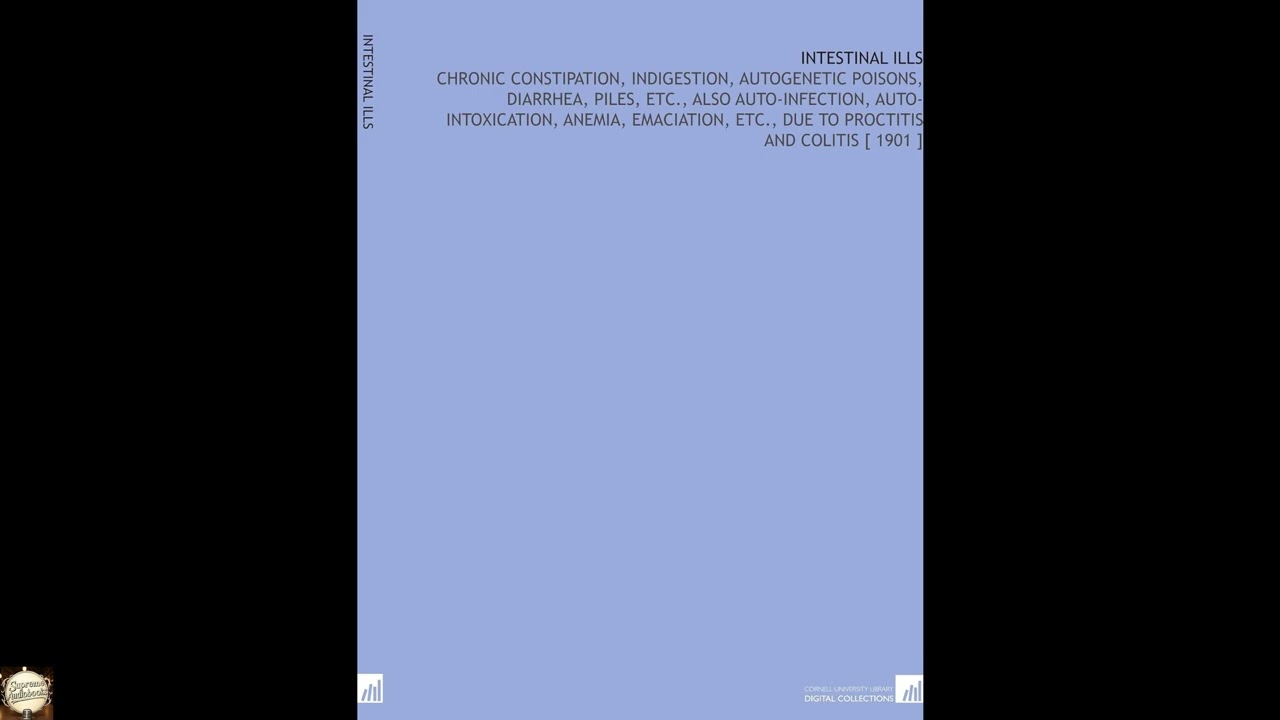
Intestinal Ills: Chronic Constipation, Indigestion, Autogenetic Poisons, Diarrhea,
For centuries, humanity has grappled with the intimate, often uncomfortable realities of its own digestive system. Before the advent of modern pharmaceuticals and sophisticated diagnostics, individuals relied on observation, traditional wisdom, and a burgeoning understanding of physiology to manage common yet debilitating conditions. Intestinal Ills: Chronic Constipation, Indigestion, Autogenetic Poisons, Diarrhea offers a fascinating and poignant window into this historical struggle. More than a mere medical manual, it stands as a testament to humanity's enduring quest for physical comfort and understanding, revealing how our ancestors conceptualized and contended with the very same bodily complaints that still trouble millions today. It reminds us that while medical science advances, the fundamental human experience of health and illness remains a constant, connecting us across the ages to those who sought relief and insight into the workings of their own flesh. The text unfolds not as a fictional narrative, but as a structured discourse on human suffering and its potential alleviation. It begins by meticulously cataloging various forms of intestinal distress, painting a clear picture of the symptoms and common experiences associated with chronic constipation and indigestion. Each description serves to validate the reader's own discomfort, offering a sense of recognition and shared experience. The book then moves systematically to theorize about the underlying causes, presenting a robust argument for the concept of "autogenetic poisons"—the idea that the body’s own internal processes could generate harmful substances if not properly managed, particularly within the digestive tract. This theory forms the central intellectual pillar of the work, framing the struggle against intestinal ailments as a battle against self-generated toxicity. From these diagnostic and theoretical foundations, the book transitions into a detailed exploration of proposed remedies and preventative strategies. It discusses dietary modifications, emphasizing certain food groups and preparation methods thought to promote digestive harmony. Lifestyle adjustments, including exercise and stress reduction, are presented as crucial components of overall wellness. While avoiding specific outcomes or dramatic personal transformations (as this is not a story of individual triumph), the book articulates a clear program designed to guide the suffering individual towards greater comfort and vitality. It establishes a practical arc, moving from understanding the problem to implementing solutions, portraying the body's digestive system as a delicate ecosystem requiring careful, consistent attention to maintain balance. Though the specific author of Intestinal Ills remains unknown, lost to the annals of history, its anonymity lends it a certain universal authority, as if the wisdom it contains has emerged from a collective understanding rather than a single hand. Works of this nature, often anonymously published or attributed broadly, were common in periods where the dissemination of practical knowledge took precedence over individual authorship. It speaks to a tradition of practical literature, where the utility of the information superseded the creator’s fame. Such texts often arose from a synthesis of folk remedies, observational medicine, and early scientific inquiry, compiled by those with experience or a particular passion for health and well-being. The text thus joins a long lineage of popular health guides and medical compendiums that served as vital resources for individuals seeking to understand and manage their own health concerns long before the advent of regulated medical professions and widely accessible scientific research. The significance of Intestinal Ills lies in several key themes it articulates. First, it powerfully highlights human frailty and the body's mysterious inner workings. The very titles of its sections—chronic constipation, indigestion—speak to the common, often embarrassing, yet deeply impactful ways our bodies can fail us. The book details, for instance, how seemingly minor dietary choices can lead to days of discomfort, demonstrating the delicate balance of the digestive system and our vulnerability to its disruptions. Second, it strongly emphasizes self-reliance and personal responsibility for health. The recommendations within the text—focused on diet, exercise, and careful living—place the onus of wellness squarely on the individual. An illustrative passage might detail a morning routine, advising specific hydration techniques or stretches, underscoring the belief that proactive daily habits are the cornerstone of digestive health. Third, the book provides invaluable insight into the evolution of medical thought. The theory of "autogenetic poisons," for example, showcases a particular scientific paradigm that sought to explain systemic illness through internal bodily processes before germ theory or a full understanding of metabolic pathways became widely accepted. This concept, which posits that the body can essentially poison itself from within due to improper waste elimination, offers a historical lens on how complex symptoms were rationalized and treated. Finally, the overarching theme of the search for comfort and relief permeates every page. While it details mechanisms and remedies, its core purpose is always to alleviate suffering, a fundamental human desire that remains as urgent today as it was when these words were first set down. Originating in a period where medical knowledge was rapidly expanding yet often fractured, Intestinal Ills reflects a time of fervent inquiry into the workings of the human body, particularly outside the established academic and clinical institutions. Though its precise historical dating is not recorded, the specific theories it champions, such as the concept of "autogenetic poisons" or "auto-intoxication," were particularly popular in the late nineteenth and early twentieth centuries. This era saw a boom in self-help medical literature, often driven by a growing public interest in health reform, dietetics, and natural cures, alongside a skepticism towards conventional medicine, which was still developing its scientific rigor. Many ordinary people, experiencing common ailments that conventional doctors struggled to address effectively, turned to books like this one for practical advice and a deeper understanding of their physiological struggles. It emerged from a cultural landscape that valued individual agency in health matters and sought explanations for chronic conditions that defied simpler remedies. Listening to Intestinal Ills as an audiobook transforms a historical text into an immediate, intimate experience. A thoughtful narration, perhaps delivered in a steady, reassuring voice, brings a sense of gravity and earnestness to the somewhat archaic language and medical theories. Over several hours, the listener can absorb the systematic arguments and detailed advice at a measured pace, allowing for reflection on how these historical perspectives compare to contemporary understanding. Pay attention to the specific word choices and the cadence of the arguments, which reveal much about the intellectual style of the period. The spoken word highlights the enduring humanity of the concerns—the universal quest for relief from discomfort—even as the scientific explanations have evolved dramatically. It offers a unique opportunity to immerse oneself in a past medical paradigm, experiencing the text as its original readers might have, seeking knowledge and comfort in the spoken wisdom of an earlier age.
Enjoyed Intestinal Ills: Chronic Constipation, Indigestion, Autogenetic Poisons, Diarrhea,? A few ways to support us
Audible & Amazon links are affiliate; we may earn a small commission at no extra cost.
About this production
Human narration by a volunteer reader from LibriVox.org, the public-domain audiobook project. LibriVox volunteers record literary works whose copyright has expired in the United States, releasing the resulting recordings into the public domain.
Intestinal Ills: Chronic Constipation, Indigestion, Autogenetic Poisons, Diarrhea, by William H. Bates. The underlying text is in the U.S. public domain. We do not republish any modern copyrighted edition, translation, or commentary.
The 4K cinematic visuals accompanying this audiobook are generated by an AI image model from prompts derived from the source text. No copyrighted photos, paintings, or stock footage are used. AI generation is disclosed on every video on our YouTube channel as required by YouTube's altered/synthetic content policy.
English subtitles are transcribed from the LibriVox recording with OpenAI Whisper. Translations into the 11 other supported languages are produced by Meta's NLLB-200 neural translation model. No human translator's copyrighted translation is used.
Questions about sourcing or rights? See our DMCA & Sourcing policy or contact us.
Enjoyed this audiobook?
If you'd like to own a copy of Intestinal Ills: Chronic Constipation, Indigestion, Autogenetic Poisons, Diarrhea, or hear a professionally produced edition, the links below help support free audiobook production at no extra cost to you.
As an Amazon Associate we earn from qualifying purchases. Audible / print links are affiliate.
More Audiobooks

Brillat-Savarin's Physiologie Du Gout: A Handbook of Gastronomy
Disturbances of the heart, discussion of the treatment of the heart in its various
Report of the Committee of Inquiry into the Various Aspects of the Problem of Abort
![Common Diseases of Farm Animals [1919 ] by Robert Alexander Craig — free full audiobook](https://img.youtube.com/vi/GTSJNi23Cis/maxresdefault.jpg)
Common Diseases of Farm Animals [1919 ]