Havoc
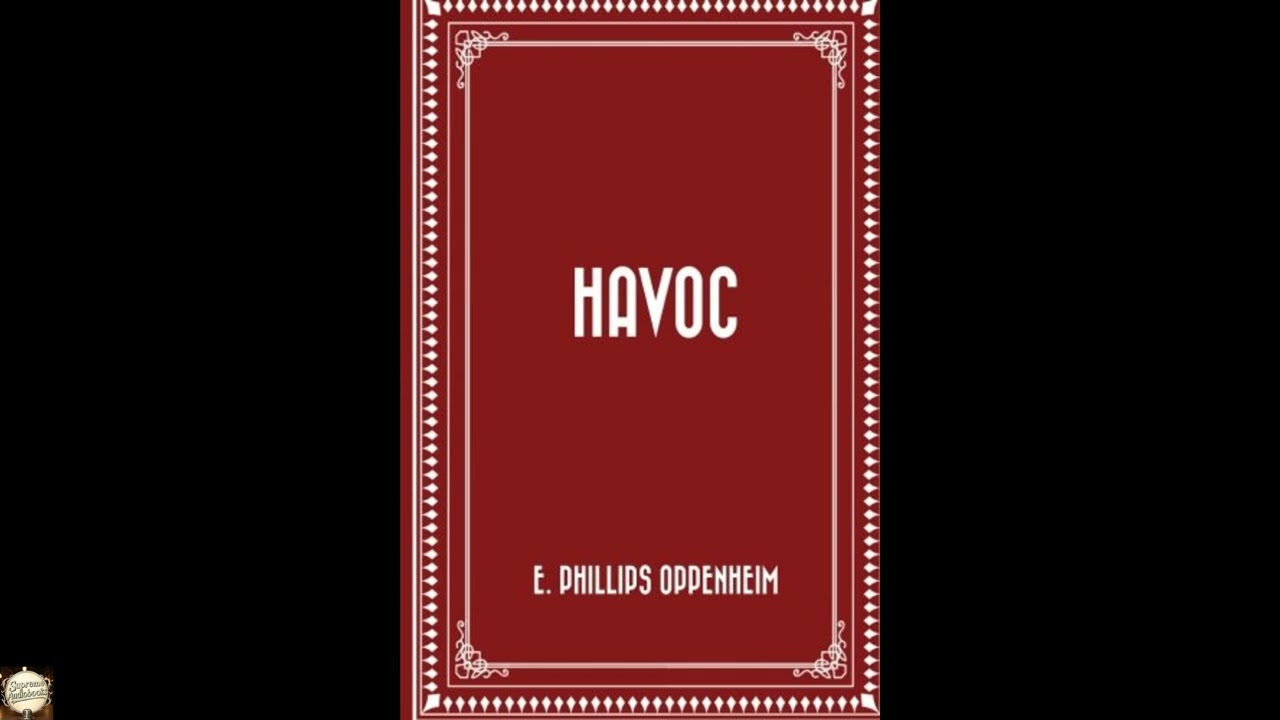
Before the world descended into the chaos of the First World War, an author named E. Phillips Oppenheim masterfully captured the simmering anxieties of an age in transition. His novel, Havoc, published in 1913, plunges listeners into a world teetering on the brink of global conflict, where personal fates become entangled with the machinations of nations. It is a thrilling narrative of mistaken identity and international intrigue, a foundational text in the spy fiction genre that remains remarkably pertinent today. The high stakes of geopolitical maneuvering, the moral dilemmas of espionage, and the fragility of peace resonate with an unsettling echo in our own complex modern landscape. For anyone seeking a gripping story that illuminates the origins of the modern thriller while reflecting on the perpetual human struggle against forces beyond individual control, Havoc offers both suspense and profound insight. The story drops an unsuspecting English surgeon, Dr. Francis Havard, into a treacherous web of European espionage. His quiet, professional life is shattered when, through a bizarre twist of circumstance or perhaps a carefully orchestrated deception, he finds himself mistaken for a man deeply involved in international secrets. The setting is pre-war Europe, a continent of glittering capitals, secret societies, and whispers of impending doom. From the grand hotels of neutral nations to the clandestine meeting places in the shadows of imposing government buildings, Havard is pursued, threatened, and manipulated by a gallery of shadowy figures – cunning spies, zealous patriots, and ruthless agents who operate with impunity. As Dr. Havard struggles to clear his name and understand the forces arrayed against him, he must quickly learn to navigate a world where identities are fluid, loyalties are bought, and betrayal is the default currency. He becomes a pawn in a larger game, forced to adopt disguises, decipher coded messages, and outwit highly trained adversaries. The core conflict arises from his desperate attempt to reclaim his life and prevent a catastrophe, all while being targeted for information he may or may not possess. The arc of the story sees him transform from a bewildered civilian into a resourceful participant in a race against time, where the very peace of nations hangs precariously on his actions. E. Phillips Oppenheim, born in Leicester, England, in 1866, earned the moniker "the Prince of Storytellers" during his prolific career. He began writing at a young age, publishing his first novel, Expiation, when he was just twenty. What followed was an astonishing output of over 100 novels and countless short stories, solidifying his reputation as a master of spy fiction, thrillers, and tales of international intrigue. Oppenheim's works often transported readers to luxurious European settings – the French Riviera, grand English country estates, the bustling streets of Paris and London – locales where high society mingled with the shadowy world of secret agents. His biographical details reveal a man who lived as expansively as his characters. He amassed considerable wealth from his writing, allowing him to enjoy a lifestyle of yachts, fine homes, and extensive travel, experiences that frequently infused his novels with authentic detail and a sophisticated air. Oppenheim was a pioneer in popularizing the spy thriller genre in the early 20th century, alongside contemporaries like William Le Queux and John Buchan, shaping the tropes and conventions that would influence generations of authors. He passed away in 1946, leaving behind a vast literary legacy that continues to entertain and provoke thought. Among the specific themes that Havoc enacts, the fluid nature of identity and the pervasive role of deception stand out. Dr. Havard's entire ordeal stems from a misunderstanding or deliberate manipulation of who he is. We see this in scenes where he is constantly mistaken for another, forced to maintain a false front or grapple with the implications of being perceived as someone dangerous. This highlights how easily one's true self can be obscured, not just by external forces but also by the necessities of survival in a world built on lies. Another powerful theme is the moral ambiguity inherent in statecraft and international relations. Characters, even those purporting to act for the good of their country, often engage in actions that defy conventional ethics – blackmail, sabotage, and murder are all on the table. Oppenheim frequently shows how patriotism can become a justification for ruthless tactics, as agents twist circumstances and manipulate individuals for perceived national interest. A character might find themselves torn between personal conscience and the demands of their covert mission, illustrating the difficult compromises that often define espionage. Finally, the novel deeply reflects the omnipresent threat of impending global conflict. Published just a year before the outbreak of World War I, the novel's very title, Havoc, hints at the widespread destruction and disorder that loomed over Europe. The plot is driven by the fear of war, with various factions vying for advantage, each misstep risking widespread catastrophe. When Havoc first appeared in 1913, Europe was a powder keg. Imperial rivalries among great powers, complex alliance systems like the Triple Entente and the Triple Alliance, and an escalating arms race created an atmosphere of profound unease. The public was keenly aware of the brewing tensions, and popular fiction provided an avenue to both express and sensationalize these anxieties. Oppenheim's work perfectly tapped into this cultural moment, offering readers thrilling narratives that mirrored the real-world shadow plays of diplomacy and espionage. The early 20th century also saw significant advancements in communication and transportation – the telegraph, fast trains, and even early automobiles – which made international travel and covert operations more plausible and exciting for a reading public. This period was ripe for the emergence of the spy novel as a genre that could blend adventure with contemporary geopolitical concerns, explaining why Oppenheim's tales of secret agents and international conspiracies found such a wide and enthusiastic audience. Havoc, therefore, is not merely a piece of genre fiction; it is a cultural artifact that captures the spirit of an age on the cusp of immense change. Listening to Havoc as an audiobook offers a truly immersive experience that brings the early 20th-century world of international intrigue vividly to life. With a runtime of several hours, it provides ample opportunity to get lost in Oppenheim's carefully constructed narrative. A skilled narrator can make the shifting alliances and varied European accents palpable, lending distinct voices to the array of characters, from the earnest Dr. Havard to the enigmatic spies he encounters. Pay close attention to the pacing; Oppenheim excels at building a slow burn of suspense, then accelerating into thrilling chases and unexpected revelations, a rhythm that a good narrator can underscore through changes in tempo and delivery. The atmosphere of hushed drawing rooms, tense railway compartments, and the subtle clinking of glasses in high-society settings all come alive through the spoken word, placing you directly amidst the intrigue. The taut dialogue, often laced with double meanings and hidden agendas, gains an added layer of meaning through vocal inflection and pauses, deepening the mystery and excitement.
Enjoyed Havoc? A few ways to support us
Audible & Amazon links are affiliate; we may earn a small commission at no extra cost.
About this production
Human narration by a volunteer reader from LibriVox.org, the public-domain audiobook project. LibriVox volunteers record literary works whose copyright has expired in the United States, releasing the resulting recordings into the public domain.
Havoc by E. Phillips Oppenheim. The underlying text is in the U.S. public domain. We do not republish any modern copyrighted edition, translation, or commentary.
The 4K cinematic visuals accompanying this audiobook are generated by an AI image model from prompts derived from the source text. No copyrighted photos, paintings, or stock footage are used. AI generation is disclosed on every video on our YouTube channel as required by YouTube's altered/synthetic content policy.
English subtitles are transcribed from the LibriVox recording with OpenAI Whisper. Translations into the 11 other supported languages are produced by Meta's NLLB-200 neural translation model. No human translator's copyrighted translation is used.
Questions about sourcing or rights? See our DMCA & Sourcing policy or contact us.
Enjoyed this audiobook?
If you'd like to own a copy of Havoc or hear a professionally produced edition, the links below help support free audiobook production at no extra cost to you.
As an Amazon Associate we earn from qualifying purchases. Audible / print links are affiliate.