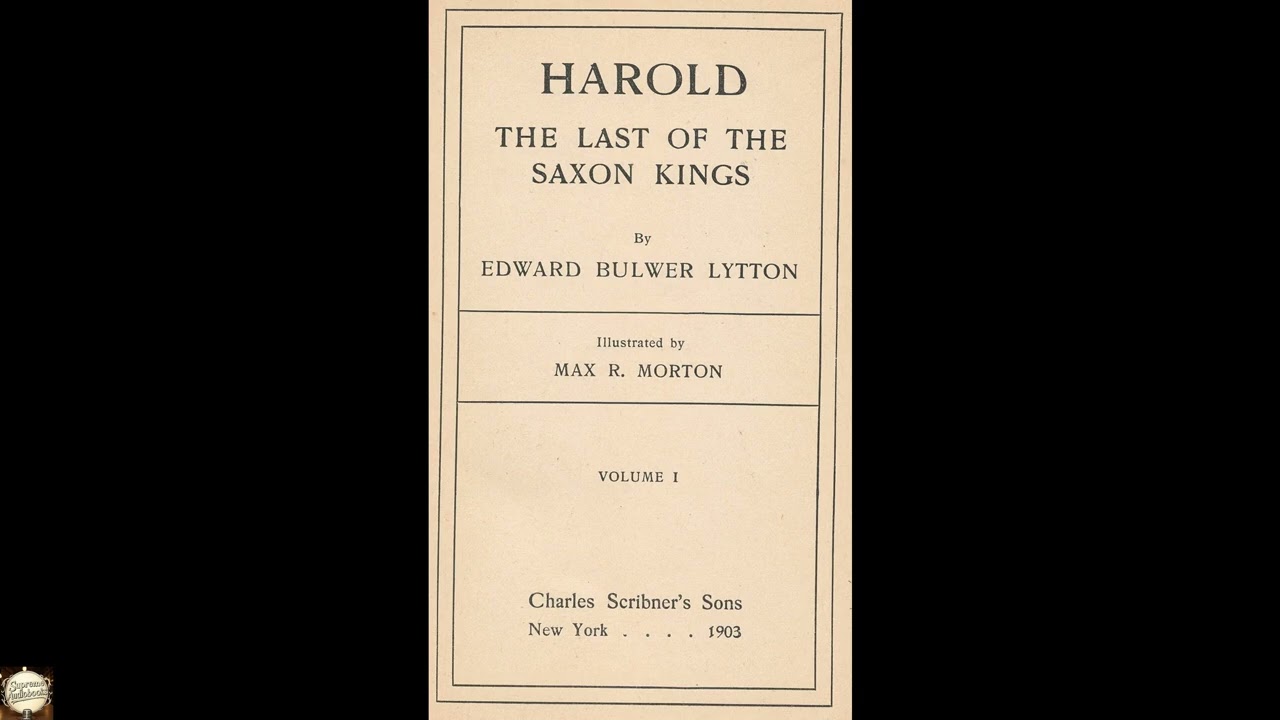
Harold: The Last of the Saxon Kings, Volume I
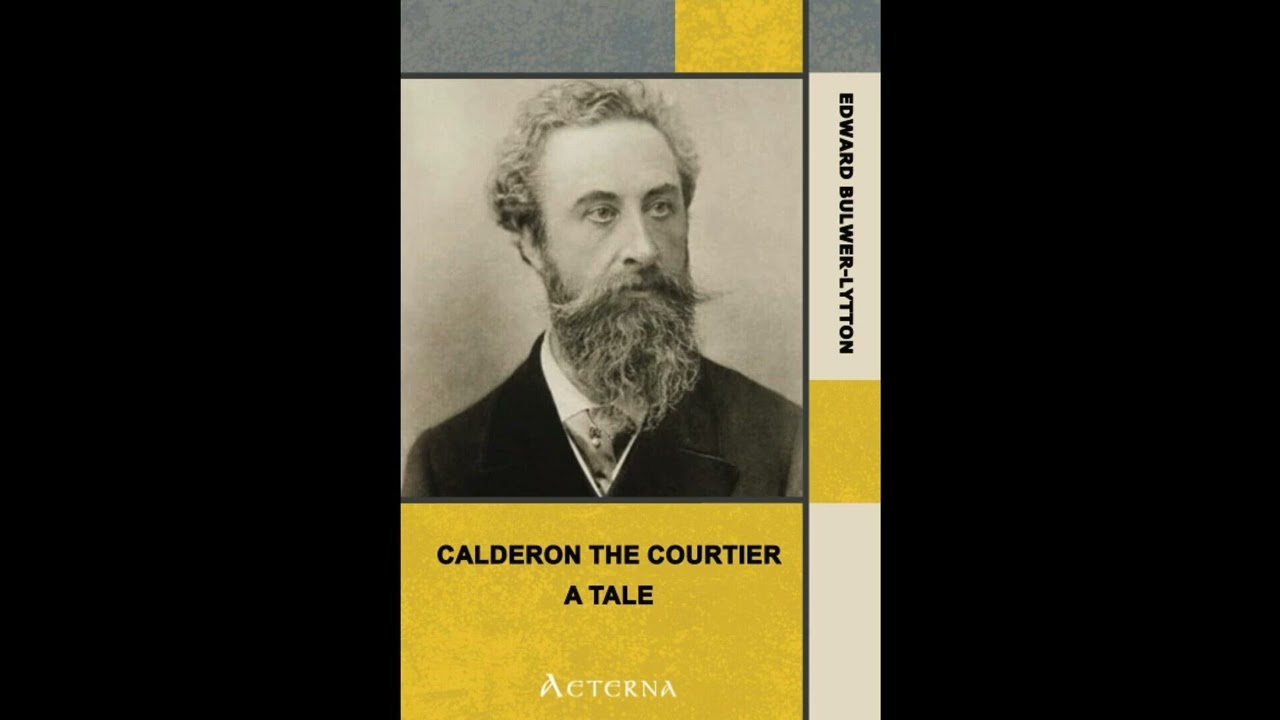
Step into the tumultuous dawn of English nationhood with Edward Bulwer Lytton's Harold: The Last of the Saxon Kings, Volume I. This isn't just a historical novel; it's an immersive recreation of the fateful years leading up to the Norman Conquest, a period that irrevocably shaped the language, culture, and political landscape of England. Lytton draws us into a world poised on the brink of profound change, inviting listeners to witness the personal dramas and grand machinations that preceded one of history's most pivotal battles. Why should we care today? Because the themes of leadership, destiny, loyalty, and the clash of civilizations that animate this saga are as resonant now as they were in the eleventh century, offering a window into the enduring questions of power and national identity. The story unfolds in the turbulent Anglo-Saxon England of the mid-eleventh century, a kingdom seemingly stable under the pious but increasingly frail King Edward the Confessor. With no direct heir, the question of succession looms large, casting a long shadow over the court and the land. At the center of this gathering storm stands Harold Godwinson, Earl of Wessex, a man of immense personal charisma, military prowess, and a deep, abiding loyalty to England. He is caught between the desires of his people, the intricate web of courtly politics, and the looming threat from across the Channel: William, Duke of Normandy, a formidable figure who claims a promise to the English throne. The first volume meticulously details the shifting alliances, the subtle manipulations, and the outright betrayals that characterize this period, setting the stage for the cataclysm to come. Lytton paints a vivid portrait of Anglo-Saxon society, from the bustling halls of Winchester to the stark beauty of the English countryside. We meet a host of memorable characters: Edith Swan-neck, Harold's beloved, whose connection to the earth and ancient traditions provides a striking contrast to the political machinations; the various Saxon earls, some loyal to Harold, others ambitious for their own gain; and the Norman advisors who slowly infiltrate Edward's court, sowing seeds of discontent. The narrative builds tension through a series of key events—Harold's fateful voyage to Normandy and his controversial oath to William, the appearance of a comet seen as an omen, and the constant maneuvering for influence around the dying king. The central conflict of this volume is less about overt warfare and more about the psychological battle for legitimacy, control, and the very soul of England, as Harold grapples with his destiny and the impossible choices laid before him. The author, Edward Bulwer Lytton, was born in 1803 and died in 1873, a prominent figure in Victorian England. A prolific novelist, playwright, poet, and politician, he served as a Member of Parliament and was eventually raised to the peerage as Baron Lytton. His life was marked by both public success and personal strife, including a famously tumultuous marriage and a lifelong pursuit of intellectual and artistic endeavors. He was a man of his age, fascinated by history, the supernatural, and the complexities of human nature, which he often explored through dramatic and emotionally charged narratives. Bulwer Lytton was a master of popular fiction during his lifetime, producing an astonishing array of works that captivated the reading public. His output included enduring historical novels like The Last Days of Pompeii and Rienzi, the Last of the Roman Tribunes, as well as influential crime novels such as Eugene Aram and Paul Clifford, which famously contains the line "the pen is mightier than the sword." He also wrote gothic and supernatural tales, including Zanoni and The Coming Race. Though his style could sometimes be seen as florid or melodramatic by later critics, his profound influence on Victorian literary culture and his talent for storytelling are undeniable, making him a significant, if sometimes overlooked, voice in the English literary canon. Harold: The Last of the Saxon Kings enacts several profound themes that resonate throughout the narrative. One primary idea is the persistent tension between fate and free will. Harold is presented as a man of immense capability and good intentions, yet he is continually buffeted by prophecies, political circumstances, and the very historical forces he seeks to control. His oath to William, whether coerced or willingly given, acts as a looming shadow, suggesting a destiny from which he cannot escape, no matter his personal heroism or his love for his country. Another crucial theme is national identity and loyalty. The novel paints a clear picture of a distinct Anglo-Saxon culture, contrasting it with the encroaching Norman influences. Characters are forced to choose loyalties: to ancient traditions, to a dying king, to an ambitious duke, or to the emerging idea of an English nation. The story also confronts the brutal realities of power and succession. King Edward's piety and lack of an heir create a power vacuum that ambitious men like Harold and William are eager to fill. The narrative demonstrates how personal relationships, political maneuvering, and military strength all play a part in determining who holds the reins of authority, often with ruthless disregard for justice or peace. Finally, the novel touches on love and sacrifice. Harold's deep affection for Edith Swan-neck is a consistent thread, offering a personal counterpoint to his public duties. He is a man torn between his private desires and the immense responsibilities thrust upon him, illustrating how personal happiness is often sacrificed at the altar of political necessity and national survival. When Bulwer Lytton penned Harold: The Last of the Saxon Kings in the mid-19th century, Victorian England was a society deeply interested in its own origins and destiny. The British Empire was expanding, and there was a widespread fascination with national history, often framed through a lens of romantic nationalism. This period saw a revival of interest in the medieval era, known as medievalism, and a particular focus on the Anglo-Saxon period as the crucible of English identity. Lytton's novel emerged from this cultural moment, serving both as entertainment and as a means of understanding the foundational myths and turning points that shaped the English nation. He utilized the popular historical romance format, popularized by figures like Sir Walter Scott, to bring historical figures and events to life, combining rigorous research with dramatic flair to create narratives that resonated with a populace eager to connect with its past. Listening to Harold: The Last of the Saxon Kings, Volume I as an audiobook offers a uniquely immersive experience. The "several hours" of runtime allow the listener to sink deeply into the historical period, letting the unfolding drama wash over them without the distraction of pages. A skilled narrator can bring the diverse cast of characters to life, from the stoic Harold to the enigmatic Edward, the scheming nobles, and the poignant Edith, differentiating voices and personalities to make the political intrigues and personal struggles feel immediate and real. The formal yet accessible language of Bulwer Lytton is particularly suited to audio, where the rhythm of his prose, the weight of his historical descriptions, and the dramatic impact of his dialogue can be fully appreciated. It's an opportunity to experience a foundational tale of England's past, rendered with gravitas and atmosphere, perfect for extended periods of focused listening or as a companion during daily routines.
Enjoyed Harold: The Last of the Saxon Kings, Volume I? A few ways to support us
Audible & Amazon links are affiliate; we may earn a small commission at no extra cost.
About this production
Human narration by a volunteer reader from LibriVox.org, the public-domain audiobook project. LibriVox volunteers record literary works whose copyright has expired in the United States, releasing the resulting recordings into the public domain.
Harold: The Last of the Saxon Kings, Volume I by Edward Bulwer Lytton. The underlying text is in the U.S. public domain. We do not republish any modern copyrighted edition, translation, or commentary.
The 4K cinematic visuals accompanying this audiobook are generated by an AI image model from prompts derived from the source text. No copyrighted photos, paintings, or stock footage are used. AI generation is disclosed on every video on our YouTube channel as required by YouTube's altered/synthetic content policy.
English subtitles are transcribed from the LibriVox recording with OpenAI Whisper. Translations into the 11 other supported languages are produced by Meta's NLLB-200 neural translation model. No human translator's copyrighted translation is used.
Questions about sourcing or rights? See our DMCA & Sourcing policy or contact us.
Enjoyed this audiobook?
If you'd like to own a copy of Harold: The Last of the Saxon Kings, Volume I or hear a professionally produced edition, the links below help support free audiobook production at no extra cost to you.
As an Amazon Associate we earn from qualifying purchases. Audible / print links are affiliate.